Reasons to Recommend India as a Travel Destination
 Sukat Mandi
04 Jan, 2026
12 mins read
228
Sukat Mandi
04 Jan, 2026
12 mins read
228
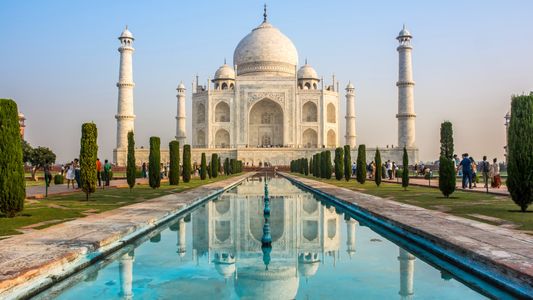
India doesn’t give you a single postcard moment — it gives you a dozen overlapping ones before lunch. It’s a country that moves fast, feeds you better than expected, celebrates loudly, and surprises you in ways that don’t feel manufactured. The draw isn’t perfection, it’s depth, contrast, and access to experiences that feel unfiltered. Every recommendation below comes from someone who saw India from a different angle — logistics, weddings, manufacturing, food, festivals, budget travel, and cultural immersion. Together, they paint the same picture: India rewards curiosity, patience, and travelers who want real texture over polished simplicity.
1. Human-Powered Systems That Actually Scale
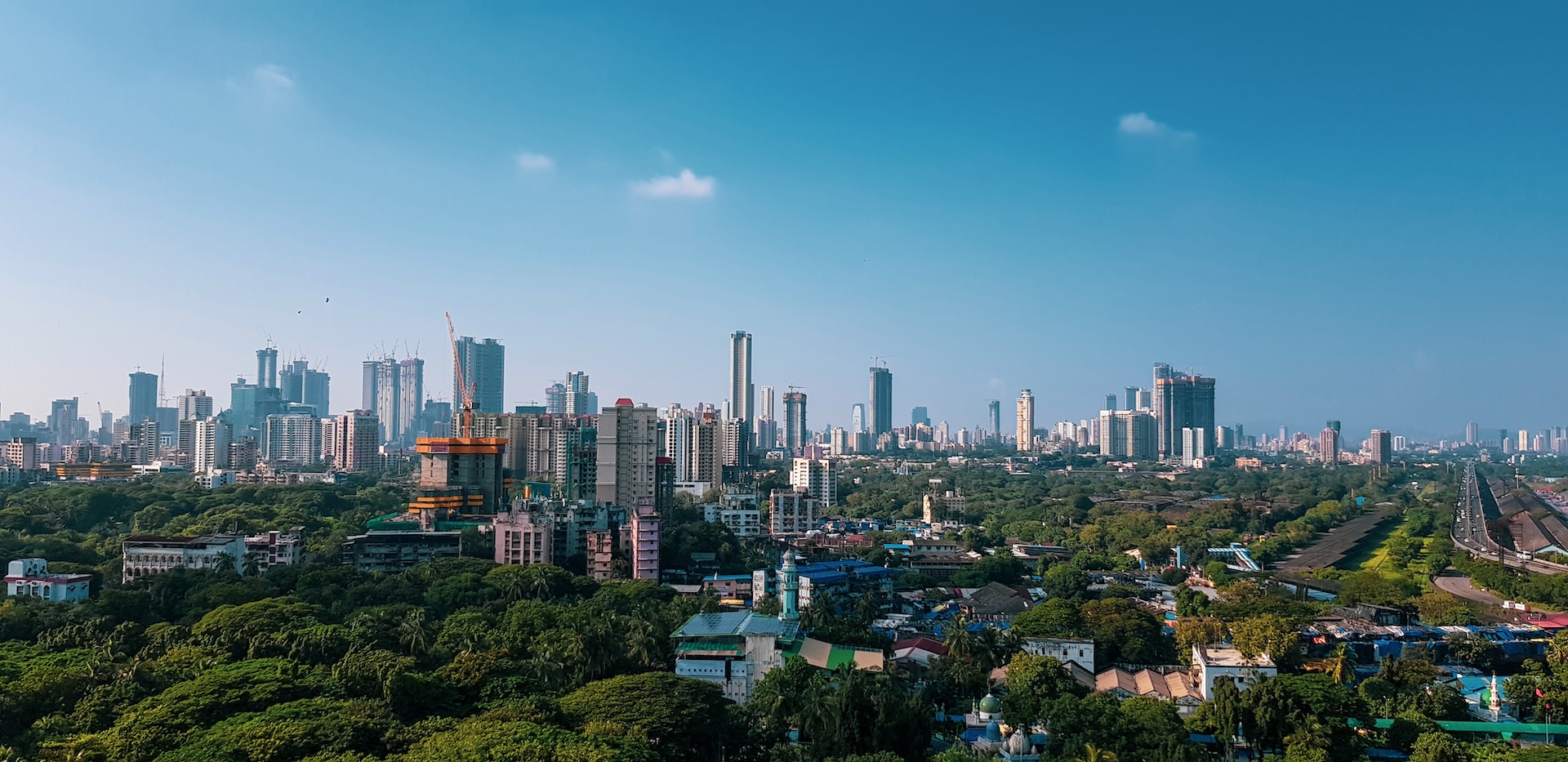
India runs some of the world’s largest networks with systems that look low-tech but operate on repetition, memory, and coordination between people. The dabbawala lunch delivery system in Mumbai moves 200,000+ meals per day using color codes, time slots, and memorized routes, with accuracy above 99%. The suburban train network in the same city carries 7.5 million+ riders a day, with trains arriving every few minutes during peak hours. For tourists, this means movement becomes part of the experience — crowded platforms empty fast, vendors serve lines quickly, and informal systems work at speeds that feel counterintuitive.
Eliot Vancil says it cleanly: “Mumbai proves that systems don’t need screens to move fast, they need repetition and people who know the pattern.”
That efficiency shows up in markets too. Roadside chai stalls track dozens of orders at once without writing anything down. Street vendors in high-traffic areas often serve 50–70 customers an hour, remembering preferences, repeating mental checklists, and solving service steps without pause. Railway food vendors coordinate between carriages, stops, and train timings to deliver meals before departure. Small hotels handle complaints instantly without escalation ladders. These systems teach travelers that India’s pace isn’t random chaos — it’s human rhythm at scale.
2. Heritage That Works for Big Groups Without Stress
Rajasthan has a density of preserved forts, estates, and palaces that double as hospitality spaces. Unlike destinations where heritage is just a daytime photo stop, Rajasthan lets you stay inside history with infrastructure built for groups. Palace venues in Jaipur and Udaipur regularly host 100–200+ guests, already equipped with banquet kitchens, coordinated staff, private courtyards, gardens, and transport planning that handles airports, buses, luggage, and large arrivals without breaking flow.
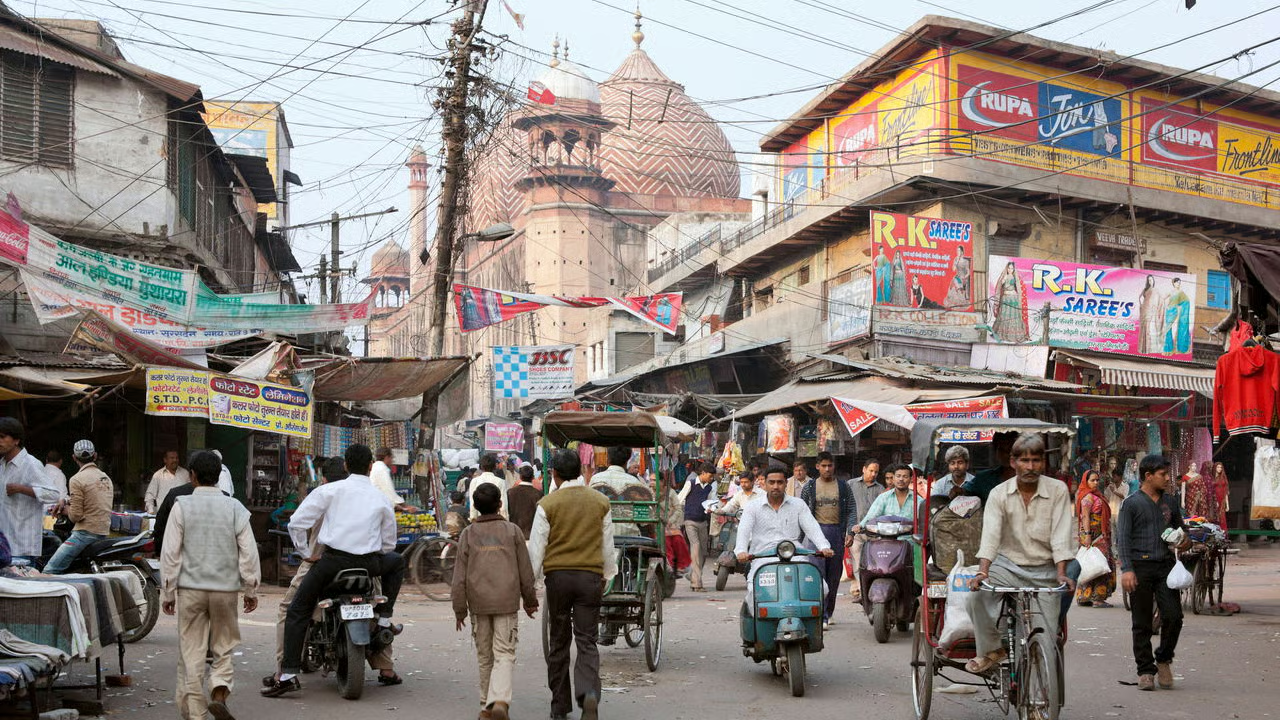
Nicole Robins says it in one line: “Rajasthan palaces scale service without losing the human feel, even for groups over 150 people.”
The visual richness also reduces effort. The pink facades of Jaipur, lake reflections in Udaipur, blue homes of Jodhpur, and sandstone of Jaisalmer deliver a natural stage that doesn’t require extra styling. Group travelers often note that the setting does the mood work for them. These cities now include expanded airport transfers, improved highway routes, and better last-mile transport, meaning heritage stays feel smooth, not complicated. For families, reunions, photography trips, or celebrations, Rajasthan turns logistics into something that works quietly in the background.
3. Innovation You Can See Outside of Labs
Bengaluru has a rare combination: a massive manufacturing ecosystem, fast-moving startup culture, and permission for small-scale testing inside real production environments. Sustainability-focused startups prototype cleaner chemical processes, energy pilots, and manufacturing ideas in factories and supply networks, not isolated lab rooms. That makes the city one of the few places where innovation feels visible mid-flight, tested against real constraints.
David Cornado says it directly: “India’s innovation is happening in public production systems, not hidden rooms.”
This isn’t limited to chemicals. India’s pharma sector produces 20% of the world’s generic medicines. Its food supply chain feeds 1.4 billion people. The rail network spans 68,000+ km. Renewable energy capacity crossed 180 GW in 2025, including some of the world’s largest solar parks. This means startups test solutions inside functioning chaos — energy grids, rail logistics, packaging lines, industrial clusters, and chemical plants. For curious travelers who like sustainability, engineering, or industrial storytelling, Bengaluru becomes a live case study of experimentation at scale.
4. Coastal India Surprises You Most
Goa, India’s smallest state, flips the stereotype most travelers carry. It blends Portuguese-Indian architecture, beach mornings, seafood dinners, weekly festivals, surfable coastlines, and small restaurants that outcook larger tourist capitals. Crowds feel lighter than Bali or Thailand during many months. Local culture still dominates the rhythm.
Adam Gontarz sums it up: “India impressed me most where it wasn’t trying to, especially on the coast.”
Goa has beginner-friendly surf from October to March at beaches like Ashwem, Morjim, Arambol, and Vagator. Surf schools rent boards, teach first-timers, and handle small groups without feeling overrun. The food surprises people more than the ocean. Goan fish thali, prawn curry, kingfish, bebinca dessert, and recheado masala feel local, not staged. Even the state’s biggest festival, Sunburn (300,000+ attendees), sits alongside smaller weekly neighborhood celebrations, beach markets, and cultural events that run year-round without feeling manufactured for tourists. Goa makes India feel fun before it feels complex.
5. Festivals Make Short Trips Feel Huge
India compresses time. Festivals turn neighborhoods into open-air markets, temples into community hubs, and evenings into something that feels bigger than its duration. Holi turns streets into color fights, Diwali becomes lights and family feasts, Ganesh Chaturthi transforms entire districts, Pushkar Camel Fair fills the desert with music and traders, and Kumbh Mela moves tens of millions of pilgrims in rotating city cycles. Festivals aren’t watched — they’re absorbed.
Alex Veka puts it plainly: “One festival evening in India can feel like a week of travel.”
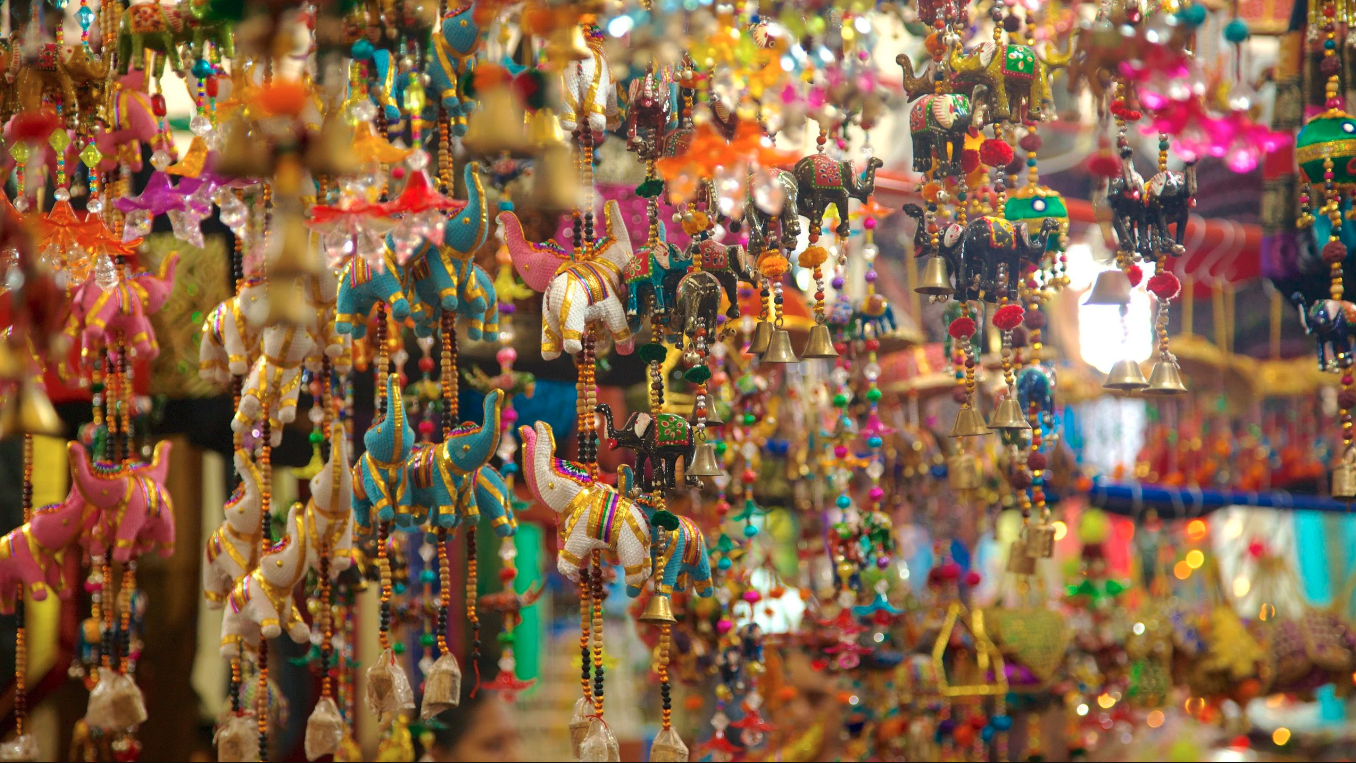
For tourists, festivals remove the need to hunt for experiences — music, food, dance, and crowds find you. They also unlock regional food scenes at their best. Festival travel means morning markets are livelier, sweets stalls double output, streets become photography playgrounds, and local hospitality moves faster to meet demand. This density makes 3–5 day trips feel loaded with sensory payoff.
6. It Feels Less Touristy Than Other Hubs
India still contains pockets that feel undiscovered compared to Southeast Asian tourist capitals where tourism dominates every corner. Even high-traffic cities keep cultural edges intact because tourism doesn’t fully swallow local patterns. India often feels like a place you’re figuring out, not a place built for you.
Aiden Higgins sums it up in one line: “India still feels like discovery, not a tourism takeover.”
This is why some coastal and cultural regions feel refreshing. Tourism exists, but it doesn’t dominate the identity. You can still get normal mornings, unfiltered street food, unchoreographed markets, and real city timing, even in places that host millions of visitors a year.
7. It Works for Almost Any Budget
India fits most travel styles because the range is extreme and pricing often stays grounded. You can move by train, eat locally, and stay simply without sacrificing experience density. That makes it popular for families and curious travelers who want variety without draining budgets.
Hugh Dixon says it cleanly: “India delivers massive variety without punishing your budget.”
Trains, food, and basic stays can land under $50 a day in many routes. Luxury experiences exist too, but they don’t erase the low-cost travel layers. That coexistence is part of India’s appeal. One day you’re in Himalayan mist, the next you’re eating dosa in a Bengaluru lane, the next you’re on a sleeper train crossing half a state, the next you’re bargaining for spices in a market that smells like six different centuries at once.
India gets recommended because it doesn’t flatten itself for tourism. It moves fast, experiments openly, celebrates loudly, feeds you well, and gives groups and solo travelers the same gift — a country that feels real, surprising, and dense with payoff.
Written By:
Sukat Mandi

Hotels at your convenience
Now choose your stay according to your preference. From finding a place for your dream destination or a mere weekend getaway to business accommodations or brief stay, we have got you covered. Explore hotels as per your mood.