Rhododendron Treks in India That Turn the Mountains into a Garden
 Deepanshu Negi
11 Feb, 2026
14 mins read
163
Deepanshu Negi
11 Feb, 2026
14 mins read
163
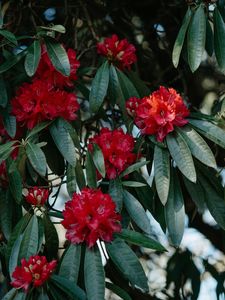
Spring in the Himalayas does not arrive quietly. It shows up in bright shades of red, pink, and white as rhododendron forests begin to bloom across the hills. Trails that looked dry and silent in winter suddenly turn colourful, and the air feels fresh with the scent of wild flowers. For trekkers, this is one of the most beautiful times to explore the mountains.
Rhododendron treks in India offer a unique blend of scenery, comfortable weather, and peaceful trails. Unlike peak summer routes, these treks stay quieter and greener. The forests feel alive, the snow slowly melts from higher ridges, and the entire landscape looks like a natural painting.
According to the Forest Survey of India and regional ecological studies, the Indian Himalayas host more than 80 species of rhododendrons, especially across Uttarakhand, Sikkim, Arunachal Pradesh, and Himachal Pradesh. Most of them bloom between March and May, making this the ideal season for such treks.
Why Rhododendron Treks Feel So Special
Rhododendron trails offer more than just colourful forests. They create a balanced trekking experience.
- The weather stays pleasant, neither too cold nor too hot.
- Trails remain less crowded than peak summer routes.
- Snow patches still appear at higher altitudes.
- Forest sections provide shade and fresh mountain air.
Many trekkers describe this season as the “perfect middle ground” between winter and summer. You get scenic views without harsh conditions.
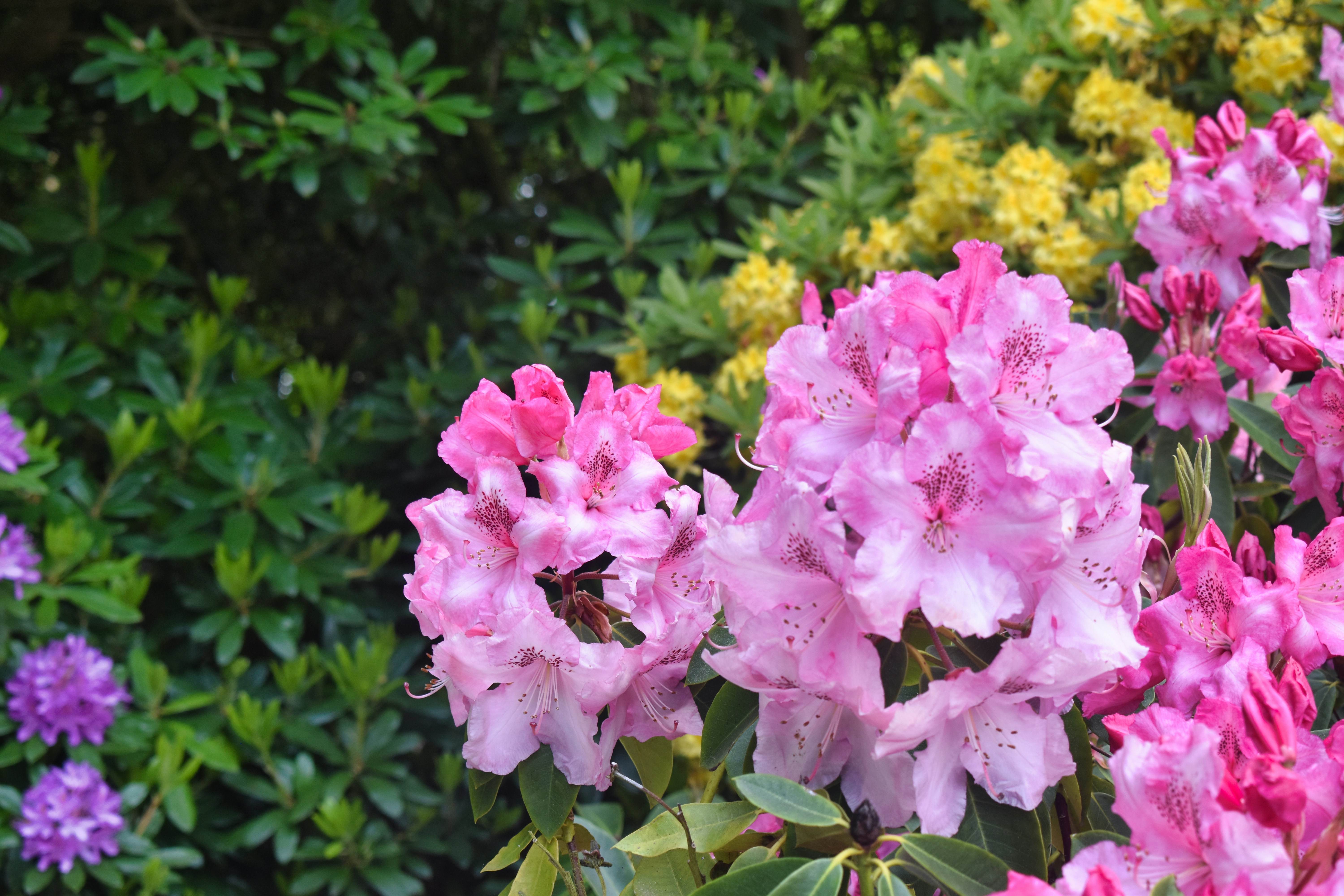
Best Time for Rhododendron Treks in India
The bloom depends on altitude and region.
- March to early April: Lower altitude forests in Uttarakhand and Himachal start blooming.
- Mid April to May: High-altitude treks and eastern Himalayas see peak rhododendron season.
- Late May to early June: Higher regions of Sikkim and Arunachal remain colourful.
The timing may shift slightly each year depending on snowfall and temperature patterns, as noted by regional forest departments and Himalayan trekking reports.
Top Rhododendron Treks in India
1.Dayara Bugyal Trek, Uttarakhand
Dayara Bugyal sits in the Uttarkashi district and is known for its vast alpine meadows. But the real surprise appears before the meadow itself. In April and early May, the lower forest sections fill with blooming rhododendron trees. The red and pink flowers add colour to the oak and maple forests, making the early part of the trek feel like a moving spring garden.
The trail usually begins from villages like Raithal or Barsu. It climbs gradually through traditional mountain settlements, terraced fields, and thick forests. This slow elevation gain makes the trek comfortable for beginners and first-time Himalayan travellers. You do not face steep or technical climbs, which keeps the experience enjoyable.
Once the forest clears, the wide grasslands of Dayara Bugyal open up in front of you. These meadows stretch for kilometres, with uninterrupted views of peaks like Bandarpoonch, Srikanth, and the Gangotri range. The contrast between colourful forests below and open meadows above makes this trek especially scenic in spring.
2.Sandakphu Trek, West Bengal
The Sandakphu trek runs along the Singalila Ridge near the India–Nepal border. It is one of the most famous rhododendron trails in the eastern Himalayas. Between April and May, the forests turn bright with red, pink, and white blossoms.
The trail usually starts from Manebhanjan and passes through small mountain settlements like Tonglu, Tumling, and Gairibas. These villages sit among dense forests, and the rhododendron trees line both sides of the path. In peak bloom, entire sections of the forest look painted in shades of red and pink.
Apart from the flowers, the trek also offers some of the best mountain views in India. From Sandakphu, you can see Everest, Kanchenjunga, Lhotse, and Makalu in a single panoramic stretch. This combination of massive peaks and colourful forests makes Sandakphu one of the most visually rewarding treks in the country.
3.Ali Bedni Bugyal Trek, Uttarakhand
The Ali Bedni Bugyal trek is one of the classic meadow treks in the Garhwal Himalayas. Before reaching the meadows, the trail passes through dense oak and rhododendron forests. In spring, these forests come alive with bright red blossoms.
The trek usually starts from Lohajung village. The path climbs gradually through forest trails, small streams, and clearings. As you move higher, the thick trees slowly give way to open grasslands.
Ali Bedni Bugyal are twin alpine meadows that stretch across rolling slopes. The scenery feels vast and peaceful, with the peaks of Trishul and Nanda Ghunti dominating the skyline. The transition from colourful forest to wide meadow is what makes this trek special during the rhododendron season.
4.Phulara Ridge Trek, Uttarakhand
Phulara Ridge offers a rare trekking experience. Unlike most Himalayan treks, this one includes a long ridge walk instead of a single summit push. The trail leading to the ridge passes through dense forests filled with rhododendron trees.
During April and early May, the forest floor becomes scattered with red petals. The air feels cooler, and the sunlight filters through the trees, creating a peaceful atmosphere. This section feels quiet and less crowded compared to more popular treks.
Once you reach the ridge, the scenery changes completely. The narrow ridge stretches for kilometres, offering wide views of peaks like Swargarohini, Bandarpoonch, and Black Peak. The combination of colourful forests and a dramatic ridge walk makes this trek unique.
5.Goechala Trek, Sikkim
Goechala is one of the most scenic high-altitude treks in the eastern Himalayas. The trek takes place inside the Kanchenjunga National Park, which is known for its rich biodiversity. The lower sections of the trail pass through thick rhododendron forests.
During April and May, these forests display multiple colours, including red, pink, and white blossoms. The sections around Tshoka and Dzongri are especially known for their vibrant rhododendron blooms.
As the trek climbs higher, the dense forests slowly disappear. The landscape turns into open alpine terrain with massive views of Kanchenjunga and surrounding peaks. This strong contrast between colourful forests and icy mountains makes Goechala one of the most dramatic rhododendron treks in India.
6.Ranthan Kharak Trek, Uttarakhand
Ranthan Kharak remains one of the quieter high altitude treks in the Kumaon region. The trail moves through deep forests of oak, pine, and rhododendron before opening into high meadows and rocky ridges.
During spring, the forest sections come alive with red rhododendron blossoms. The trail feels peaceful and remote, far from busy trekking routes. As you climb higher, the views of peaks like Nanda Kot, Nanda Devi East, and the Pindari valley start appearing.
As you climb higher, the trees thin out and wide alpine meadows begin to appear. These meadows, locally called “kharaks,” form the main highlights of the trek. The route passes through places like Namik, Bajimanian Kharak, and Thal Tok before reaching the final ridge.
7.Singalila Ridge Trek, Sikkim West Bengal Border
The Singalila Ridge trek explores quieter sections of the same mountain range as Sandakphu. It follows long forest trails along the India–Nepal border and offers a rich variety of rhododendron species.
Spring transforms this route into a colourful corridor. The forests display different shades of red, pink, and white, depending on the altitude and species. Some sections feel like walking through a natural botanical garden.
The ridge also provides wide views of the eastern Himalayas, including the Kanchenjunga range. Because it covers quieter trails, this trek suits those who enjoy long forest walks and peaceful mountain scenery.
What Makes These Treks Beginner Friendly
Many rhododendron treks stay at moderate altitudes and offer gradual climbs. The forest cover also protects trekkers from strong sun and wind.
Key reasons they suit beginners:
- Well-marked trails in popular regions.
- Moderate daily walking distances.
- Comfortable spring temperatures.
- Scenic rewards without extreme altitude.
Trekkers can enjoy colourful landscapes without facing harsh weather or technical climbs.
Tips for Planning a Rhododendron Trek
1. Choose the Right Month
Blooming depends on altitude. Lower trails bloom earlier, while higher regions bloom later.
2. Start Early in the Day
Morning light makes the colours look brighter. The trails also stay quieter.
3. Carry Light Layers
Spring weather can change quickly. Keep a light jacket, gloves, and rain protection.
4. Respect the Forest
Avoid plucking flowers or disturbing wildlife. These forests are part of fragile Himalayan ecosystems.
Ecological Importance of Rhododendrons
Rhododendrons play a major role in Himalayan ecology. They provide food for birds and insects and help maintain forest health.
In many regions, local communities use rhododendron flowers to make traditional drinks and herbal products. The famous “buransh” juice in Uttarakhand comes from rhododendron flowers and is known for its cooling properties.
According to the Botanical Survey of India and regional forest studies, rhododendron forests also help in soil conservation and water retention in mountain regions.
Packing Essentials for Spring Treks
- Lightweight trekking shoes with good grip
- Layered clothing for changing temperatures
- Sunglasses and sunscreen
- Reusable water bottle
- Basic first-aid kit
Spring treks usually do not require heavy winter gear, but mornings and evenings can still feel cold at higher camps.
Final Thoughts
Rhododendron treks in India offer one of the most colourful experiences in the Himalayas. The season combines comfortable weather, scenic forests, and peaceful trails. Instead of snowstorms or summer crowds, you get blooming trees, fresh air, and calm mountain paths.
For trekkers who want beauty without extreme difficulty, spring rhododendron trails provide the perfect introduction to Himalayan adventures. The forests feel alive, the trails stay inviting, and every turn reveals a new shade of colour.
Written By:
Deepanshu Negi

Hotels at your convenience
Now choose your stay according to your preference. From finding a place for your dream destination or a mere weekend getaway to business accommodations or brief stay, we have got you covered. Explore hotels as per your mood.