Roar in the Aravallis: Discover the Wild Side of Amagarh Leopard Safari
 Palakshi Meharwal
04 Aug, 2025
9 mins read
63
Palakshi Meharwal
04 Aug, 2025
9 mins read
63
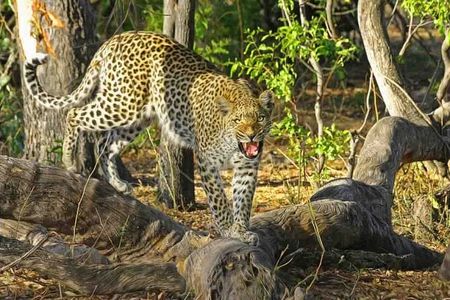
Nestled in the rugged folds of the Aravalli Hills near Jaipur, the Amagarh Leopard Safari invites wildlife lovers to experience the untamed beauty of Rajasthan’s lesser-known wilderness. Unlike its more famous cousin, Jhalana Leopard Reserve, the Amagarh Safari is a relatively new addition to the region’s eco-tourism map, offering a raw and immersive escape into the natural habitat of one of India’s most elusive big cats—the Indian leopard.
This article delves into what makes the Amagarh Leopard Safari a unique experience for travelers seeking more than just a photo opportunity. It explores the region's ecological significance, visitor experience, biodiversity, and tips for planning your adventure—all crafted to ensure a valuable and authentic read.
A Wilderness Hiding in Plain Sight
Amagarh Forest Reserve lies just a short drive from Jaipur’s urban sprawl, yet once inside, the environment transforms completely. Tall grasses sway under the dappled sun, and craggy ridgelines frame vast expanses of semi-arid deciduous forest. This ecological buffer zone serves as a vital corridor for wildlife, particularly leopards, which have long roamed the region.
What sets Amagarh apart is its topographical variety—undulating terrain, natural waterholes, and open scrublands—all of which create a favorable environment for predators and prey alike. The area’s proximity to human settlements has, over time, fostered a rare coexistence model where leopards adapt their movements to avoid human interaction, yet remain firmly entrenched in the ecosystem.
The Leopard Experience: What to Expect on Safari
Amagarh’s safari experience is curated to maximize wildlife sightings while maintaining ecological integrity. Open gypsy vehicles traverse pre-designated trails through leopard territories, guided by trained naturalists and forest staff. While sightings are never guaranteed—leopards are notoriously shy—the thrill lies in the unpredictability.
Unlike tiger safaris in central India, which tend to be over-commercialized, the Amagarh experience is more intimate and focused on education. Naturalists share insights about leopard behavior, tracking methods, and the intricate balance between flora and fauna. Binoculars and patience are essential tools—often, it’s the faint rustle of leaves or the sharp call of a langur that gives away a big cat’s presence.
The best time to visit is from October to March, when the temperatures are pleasant, and wildlife is most active during early morning and late afternoon hours.
More Than Just Leopards: Biodiversity of Amagarh
Though the leopards are the headline act, Amagarh offers a wealth of biodiversity that enriches every safari experience. The region is home to a variety of wildlife species, such as:
- Indian foxes and jackals: Commonly spotted scavengers that thrive in this semi-arid landscape.
- Peafowls and grey francolins: Their calls echo through the hills, adding a soundscape to your safari.
- Porcupines and monitor lizards: Often seen during dusk or near waterholes.
- Birdwatching delights: The reserve boasts over 100 avian species, including eagles, owls, and bee-eaters.
The flora, too, plays a crucial role. Dhok trees, acacia, and ber bushes dominate the landscape, providing cover and sustenance to a variety of species.
Cultural Echoes: The Amagarh Fort and Tribal Legacy
Overlooking the safari zone is the Amagarh Fort, a historic structure linked to Maharani Amba of the Kachhwaha dynasty. Though in ruins, the fort adds a layer of historical intrigue to the safari. Visitors often hike up to the site for panoramic views of the forest below.
The region is also traditionally inhabited by the Meena tribe, whose deep-rooted understanding of the land contributes to conservation efforts. Some safari guides come from local communities, providing first-hand stories and cultural perspectives that enrich the wildlife experience.
Responsible Tourism: A Crucial Consideration
With increasing interest in wildlife tourism, it becomes vital to maintain the ecological sensitivity of Amagarh. Visitors are urged to follow sustainable practices—avoid littering, keep noise levels down, and never attempt to feed or approach wild animals. Reputable safari operators emphasize these principles and collaborate with forest authorities to ensure minimal disruption to wildlife.
Initiatives such as controlled visitor numbers, rotating safari routes, and local employment in eco-tourism help balance conservation with economic development. Supporting these efforts ensures that the safari remains a sustainable attraction for years to come.
Planning Your Visit: Practical Information
How to Get There:
Amagarh is located roughly 15 kilometers from central Jaipur. It is easily accessible via road, with cab services and local tour operators offering pick-up options from hotels and landmarks.
Booking a Safari
Currently, safaris must be booked through authorized operators approved by the Rajasthan Forest Department. Slots are limited to avoid overcrowding, so it’s advisable to reserve early—especially during peak months.
What to Bring:
- Government-issued ID for entry
- A good zoom camera or binoculars
- Sun protection: hat, sunscreen, sunglasses
- Warm layers (for early morning safaris in winter)
- Eco-friendly water bottles and snacks (avoid plastic)
Final Thoughts
Amagarh Leopard Safari represents a quieter, more authentic form of wildlife tourism—one that values patience over spectacle, and education over entertainment. It invites visitors to step into a space where nature thrives not in isolation, but in delicate harmony with culture and history.
As more travelers seek experiences that connect them to the soul of a place, Amagarh stands ready—not with flashy infrastructure, but with ancient trails, whispering trees, and the ever-elusive shadow of a leopard silently navigating the hills.
Written By:
Palakshi Meharwal

Hotels at your convenience
Now choose your stay according to your preference. From finding a place for your dream destination or a mere weekend getaway to business accommodations or brief stay, we have got you covered. Explore hotels as per your mood.