Roar of the Aravallis: A Wild Journey Through Amagarh Safari
 Palakshi Meharwal
15 Nov, 2025
12 mins read
112
Palakshi Meharwal
15 Nov, 2025
12 mins read
112
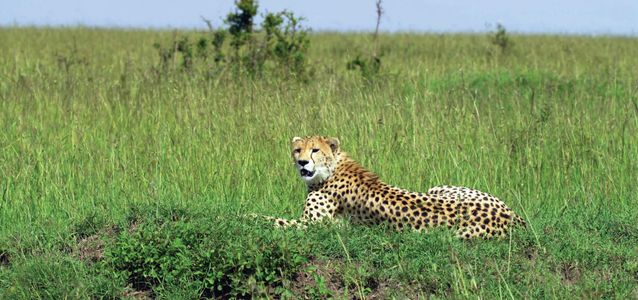
If you’ve been craving an offbeat wildlife experience in Jaipur—something raw, real, and wrapped in the mystique of the Aravalli hills—then let me take you on a journey through the Amagarh Leopard Safari. Unlike the city’s polished palaces and bustling bazaars, this adventure reveals Jaipur’s untamed side. It’s one of those rare places where nature, history, and wildlife meet in perfect harmony, giving you an experience that feels both immersive and intimate.
Below is the guide I wish I had before my first visit—packed with real insights, practical tips, and the kind of storytelling that comes only from being there yourself.
Into the Wild Heart of Jaipur: What Makes Amagarh Special
Picture this: rugged rocky hills glowing amber under the early morning sun, a light breeze brushing through the khejri trees, and a quiet stillness broken only by the soft rustling of the wilderness. That’s Amagarh—less commercial, more authentic, and full of surprises.
Located close to the famous Galta Ji Temple and nestled within the folds of the eastern Aravalli range, the Amagarh Leopard Safari is an extension of the idea that wildlife coexists beautifully with ancient landscapes. The region is home to 20+ leopards, several hyenas, jackals, desert foxes, blue bulls, and an impressive variety of birds. The experience feels raw because the terrain itself is rugged—jagged cliffs, narrow passages, and dry deciduous forests create the perfect leopard habitat.
Unlike the more popular Jhalana Safari, Amagarh is still growing in popularity, which means fewer crowds and a better chance of uninterrupted wildlife sightings. It’s a dream come true for those who prefer the “road less taken.”
How to Reach the Safari: Smooth Roads & Scenic Views
Reaching Amagarh is surprisingly easy, especially if you're already exploring Jaipur. The safari zone is situated on the eastern side of the city, close to iconic attractions like Galta Ji, Galtagarh Fort, and Sisodia Rani Garden. If you're staying in the main city areas—C-Scheme, Bapu Nagar, Raja Park, or Amer Road—you’re barely 20–30 minutes away.
A quick cab ride or rental scooter will take you right to the entrance. The roads are well-paved, and the final stretch offers beautiful views of the hills—so yes, keep your camera ready even before the safari begins.
If you’re coming from outside Jaipur, the nearest transportation hubs include:
- Jaipur International Airport (approx. 30–35 minutes away)
- Jaipur Junction Railway Station (approx. 25–30 minutes)
- Sindhi Camp Bus Stand (approx. 25–30 minutes)
Once you reach the entry gate, the staff guide you toward your assigned jeep, and your wild ride begins.
The Safari Experience: Thrills, Trails & the Leopard’s Realm
Your journey starts with a rumble—your jeep climbs slowly into the forest, dust swirling behind you as the Aravalli hills rise tall on both sides. The terrain is rugged, with natural waterholes, narrow ridges, and scattered ruins that add a touch of mystery.
The guides here know the forest intimately. They’ll point out fresh pugmarks, scratch marks on trees, or a vantage point where leopards are often spotted resting. There’s always a sense of anticipation. Even if you’ve been on multiple safaris, that moment when the jeep suddenly stops and the guide whispers, “Look there…” is unforgettable.
Leopard sightings are fairly common here, especially during early mornings and late afternoons. Sometimes you may spot one perched on a boulder, its golden coat blending seamlessly with the rocky background. Other times, you may see one crossing the trail with the effortless grace only a big cat possesses.
But even on days when the leopards are elusive, the safari doesn’t disappoint. You’ll encounter:
- Troops of langurs swinging playfully
- Hyenas skulking in the shadows
- Peacocks spreading their iridescent feathers
- Nilgai and deer grazing peacefully
- Raptors circling the sky
And then there’s the landscape itself—raw, ancient, and still carrying the whispers of the Amagarh fort, which overlooks the forest like a timeless guardian.
Best Time to Visit: Seasons That Shape the Wild
You can visit the Amagarh Leopard Safari throughout the year, but the experience changes with every season.
Winter (October–February)
This is the best time to visit. The weather is cool, visibility is excellent, and wildlife activity is high. Morning safaris feel magical with misty hills and golden sunlight spilling into the forest.
Summer (March–June)
Though hot, it offers some of the best leopard sightings as animals frequent waterholes. If you can handle the heat, the rewards are worth it.
Monsoon (July–September)
The forest transforms into lush green paradise, making the landscape scenic but leopard sightings slightly unpredictable. Still, this season is a photographer’s delight.
Most travellers prefer the early morning safari, but afternoon safaris also offer a great chance to catch leopards emerging from their shady shelters.
Suggested Itineraries: Make the Most of Your Day
Planning a day around Amagarh can be incredibly rewarding because the area is surrounded by several stunning attractions. Here’s a seamless flow you can follow:
Half-Day Wildlife + Heritage Experience
Start with a morning safari. After the ride, visit Galta Ji Temple and its sacred natural springs. On your way back, stop by Sisodia Rani Garden for a quiet walk through landscaped Mughal-style terraces.
Full-Day Jaipur Nature Trail
Begin with the safari, followed by a trek to Amagarh Fort, a lesser-known gem with wide panoramic views of the Aravalli hills. End your day at Galtagarh, where the play of light on the ancient walls feels almost cinematic.
If you’re staying nearby, ask your accommodation for a packed breakfast—it’s a simple touch that makes the morning feel even more special.
Local Tips, Budgeting & Safety: A Traveller’s Cheat Sheet
While the safari is generally smooth and well-managed, a few tips can elevate your experience.
Book in advance—especially in peak season. Weekends fill up quickly.
Wear neutral-coloured clothing to blend with the environment.
Carry a good zoom lens, if photography is your thing—leopards often rest far up on cliffs.
Hydrate well and bring a light snack.
Avoid loud conversations; silence increases your chances of spotting wildlife.
In terms of budgeting, the safari is reasonably priced compared to other wildlife reserves in India. The cost typically includes jeep, permits, and guide fees. If you combine it with nearby attractions, you can comfortably plan a full day within a moderate travel budget.
Safety-wise, follow your guide’s instructions at all times. Leopards are shy creatures, and the forest is their home—you’re a respectful guest here. Don’t lean out of the jeep, don’t feed wildlife, and avoid wandering into restricted zones.
Why Amagarh Leopard Safari Belongs on Your Jaipur Itinerary
What makes Amagarh truly enchanting is its balance—wild yet accessible, ancient yet alive, rugged yet serene. It’s a reminder that Jaipur is much more than forts and markets; it’s a living landscape where stories roam freely in the shadows of the Aravallis.
Whether you’re a wildlife enthusiast, a photographer, a history lover, or simply someone seeking an authentic escape, this safari will leave you with memories that linger long after the dust settles on your boots.
Written By:
Palakshi Meharwal

Hotels at your convenience
Now choose your stay according to your preference. From finding a place for your dream destination or a mere weekend getaway to business accommodations or brief stay, we have got you covered. Explore hotels as per your mood.