Roar of the Aravallis: Discover the Wild Secrets of Amagarh Leopard Safari
 Palakshi Meharwal
31 Oct, 2025
11 mins read
77
Palakshi Meharwal
31 Oct, 2025
11 mins read
77
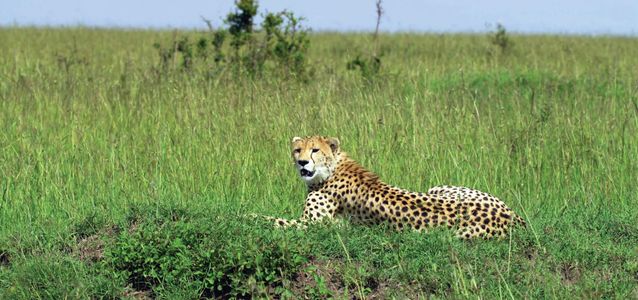
Nestled amidst the rugged folds of Jaipur’s ancient Aravalli Hills, the Amagarh Leopard Safari offers a wild experience that few travellers expect to find so close to a bustling city. Picture this: golden rays of dawn lighting up rocky ridges, peacocks dancing in the mist, and a leopard’s shadow silently slipping between boulders. This isn’t just a safari—it’s an intimate glimpse into Rajasthan’s raw, untamed heart.
In this blog, let’s wander through the trails of Amagarh, uncover its hidden wildlife treasures, and explore how you can plan a memorable, budget-friendly, and safe journey into this remarkable wilderness.
Where the Wild Meets the Royal: The Essence of Amagarh
The Amagarh Leopard Safari lies just on the outskirts of Jaipur, about 8–10 kilometres from the city centre. While Jaipur is famed for its grand forts and vibrant bazaars, few visitors realize that leopards still roam freely in the hills that cradle the Pink City. The safari area is part of the Amagarh Forest Reserve, which connects with the broader Nahargarh Biological Park—a natural corridor for wildlife.
Unlike the more crowded Jhalana Leopard Safari, Amagarh offers a fresher, less commercialized experience. Here, the silence of the forest feels authentic; it’s nature in its truest form, not an exhibit. The Aravallis, believed to be among the oldest mountain ranges on Earth, provide the perfect rocky habitat for leopards, blue bulls, spotted deer, and a remarkable variety of birds.
When you enter the gates, you instantly sense the shift—from Jaipur’s urban energy to the timeless rhythm of the wild. The thrill lies not only in spotting the elusive leopard but also in witnessing how wildlife has adapted to coexist with the city’s growing edges.
Into the Wilderness: What to Expect on the Safari
A typical Amagarh Leopard Safari lasts about 2.5 to 3 hours, depending on the route and sightings. You’ll board an open gypsy (jeep) guided by a trained forest ranger. As the vehicle rumbles along dusty trails, the forest slowly reveals its secrets—troops of langurs swinging through branches, a pair of peafowls calling across the valley, or a mongoose darting across the track.
But of course, the real star of the show is the leopard. Sleek, powerful, and stealthy, these big cats often rest among the rocks or patrol their territory during early morning or late evening. If luck favours you, you might witness one crossing the trail, its golden coat blending perfectly with the terrain.
Photography enthusiasts will love the soft light that filters through the trees, especially at sunrise or sunset. Even if you don’t spot a leopard, the scenic drive through the rugged Aravallis, dotted with ancient watchtowers and old stone walls, is worth the journey itself.
How to Reach Amagarh: Getting There Made Easy
Reaching Amagarh is surprisingly convenient. The entry gate lies about 8 km from Jaipur’s city centre, and just a 20–25 minute drive from popular landmarks like Hawa Mahal or Albert Hall Museum.
- By Air: The nearest airport is Jaipur International Airport (around 17 km away).
- By Train: Jaipur Junction is well-connected to major cities such as Delhi, Mumbai, and Ahmedabad.
- By Road: The safari is easily accessible by taxi, auto-rickshaw, or even rented scooter for the more adventurous traveller.
If you’re visiting on a weekend trip from Delhi, the road journey (around 270 km) takes about 5–6 hours, making it ideal for a short wildlife escape.
When to Visit: Timing Your Adventure Right
The best time to visit Amagarh Leopard Safari is between October and March, when the weather is pleasantly cool and the forest wears its most vibrant shades of green and gold. Morning safaris, typically between 6:00 AM and 9:00 AM, are perfect for catching early wildlife activity, while the evening slot (3:30 PM–6:30 PM) offers magical light for photography.
Avoid visiting during the peak summer months (April to June), as temperatures soar above 40°C, making both the animals and visitors less active. The monsoon (July–September) transforms the region into a lush paradise, but can make some trails slippery and temporarily inaccessible.
More Than Just Leopards: Nearby Attractions and Experiences
Amagarh isn’t just about wildlife—it’s part of a much larger cultural and natural landscape. Combine your safari with nearby attractions to make your trip even more fulfilling.
Just above the forest sits the Amagarh Fort, a centuries-old structure believed to have been built by Maharaja Sawai Jai Singh II. From its ramparts, you get a stunning panoramic view of Jaipur city merging into the wild Aravalli ridges.
A short drive away lies the Galta Ji Temple, also known as the Monkey Temple—a serene complex of ancient shrines and holy kunds (water tanks) nestled in a valley. If you’re up for a light hike, the trails here offer both spirituality and scenic charm.
You can also plan a combined itinerary:
- Day 1: Explore Jaipur’s forts (Amber, Nahargarh, Jaigarh)
- Day 2: Morning Amagarh Safari → Visit Amagarh Fort → Evening at Galta Ji
It’s the perfect blend of history, wildlife, and local culture.
Practical Tips, Safety, and Budgeting
Here’s where a little preparation goes a long way.
- Booking: Safari bookings can be made online or through authorized operators like BanBanjara or the Rajasthan Forest Department website. Always book in advance, especially during weekends and peak season.
- Safety: Always remain seated during the safari, avoid loud noises, and never feed animals. Leopards, though not aggressive unless provoked, are territorial creatures—respect their space.
- Essentials: Carry a hat, sunglasses, water bottle, and binoculars. Avoid wearing bright clothes; earthy tones help you blend into the surroundings.
- Local Tip: If you want to maximize your chances of spotting a leopard, talk to your guide about recent sightings—they often know the hotspots where these cats frequent.
Why Amagarh Deserves a Spot on Your Travel List
There’s something deeply moving about seeing wildlife thrive so close to human civilization. The Amagarh Leopard Safari isn’t just an adventure—it’s a reminder of harmony between nature and heritage, of how ancient hills still echo with the roars of the wild.
It offers the thrill of Ranthambore without the crowds, the scenic beauty of Nahargarh without the rush, and the tranquility of a hidden sanctuary waiting to be explored. Whether you’re a photographer, nature lover, or someone just seeking a refreshing escape from city chaos, Amagarh will leave its wild imprint on your soul.
Final Thought:
So next time you find yourself in Jaipur, don’t stop at the forts and palaces. Go a little further. Let the Aravallis whisper their secrets, and maybe—just maybe—you’ll hear the soft, echoing roar of Amagarh.
Written By:
Palakshi Meharwal

Hotels at your convenience
Now choose your stay according to your preference. From finding a place for your dream destination or a mere weekend getaway to business accommodations or brief stay, we have got you covered. Explore hotels as per your mood.