Russia eVisa Requirements and Process for Greek Citizens
 Arthur Rousseau
01 Dec, 2025
23 mins read
545
Arthur Rousseau
01 Dec, 2025
23 mins read
545

Russia's vast territory, rich historical legacy, and iconic destinations—from the classical architecture of Saint Petersburg to the ancient heart of Moscow—are highly attractive to Greek travelers. Thanks to the introduction of the Unified Electronic Visa (UEV), the traditional bureaucratic hurdles of obtaining a Russian visa have been largely removed for citizens of Greece.

Greek citizens are among the nationalities eligible for the UEV, which is a fast, entirely online system designed for short-term visits. This comprehensive guide will walk you through every step of the Russia eVisa for Greek Citizens, ensuring you understand the specific requirements, duration of stay, fees, and mandatory documents needed for a seamless journey from Greece to the Russian Federation.
Is a Visa Required for Greek Citizens to Visit Russia?
Yes, a visa is mandatory. Greek citizens must secure a valid travel authorization before entering the Russian Federation, as Greece is not included in Russia's visa-free regime.
The most convenient option is the Unified Electronic Visa (UEV). If your trip is for tourism, a short business visit, or participation in an event, the UEV is sufficient and highly recommended. For stays exceeding 30 days or if you require multiple entries, you must still apply for a traditional sticker visa through a Russian consulate or visa center.
What is the Unified Electronic Visa and Its Key Advantage?
The UEV is a single-entry electronic document issued by the Russian Ministry of Foreign Affairs (MFA). It serves as the official permission to enter the country.
The critical advantage of the UEV for Greek citizens is that it waives the most complicated part of the traditional application: the invitation. You do not need a tourist voucher, hotel booking confirmation, or an official invitation letter from a Russian host organization to apply for the UEV. The entire process is conducted digitally via the specialized MFA website or mobile app.
How long is the validity period for a Russian unified e-visa?
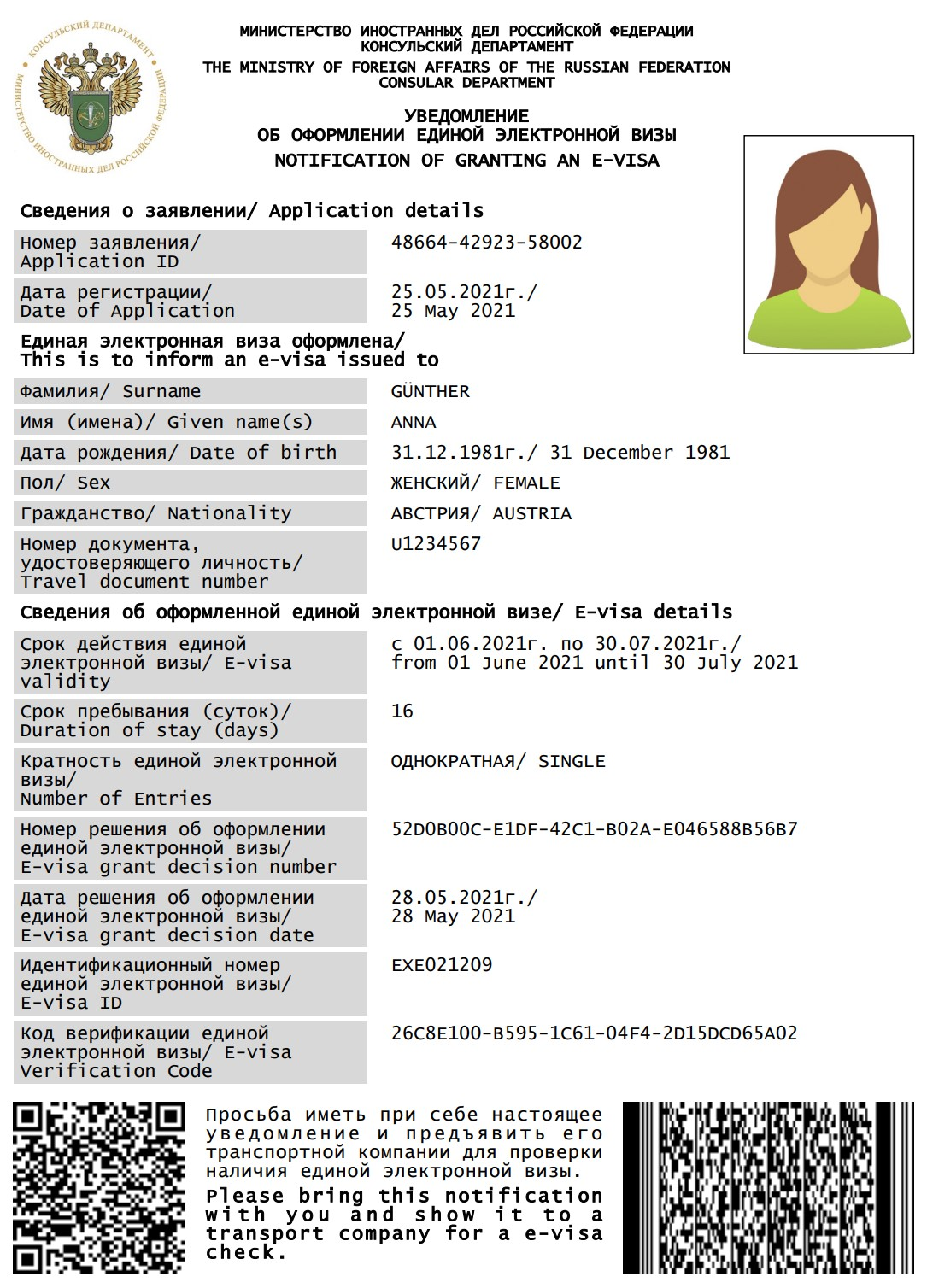
Russia has recently updated its e-Visa rules to be more generous, offering Greek travelers extended flexibility:
- Validity Period: The e-Visa is valid for 120 days (four months) from the date of its issuance. You may enter Russia anytime within this 120-day window.
- Maximum Stay: The permitted period of stay in Russia shall not exceed 30 days from the date of entry. This is a continuous 30-day stay allowance.
- Entry Type: The e-Visa is strictly a Single-Entry document. Once you exit the Russian Federation, the visa is utilized and becomes invalid, even if you did not use the full 30-day allowance.
What are the valid purposes for applying for a Russian e-visa?
The UEV accommodates various short-term travel intentions under a single electronic document. When applying, Greek citizens can select from several specific categories based on their primary reason for travel. All categories grant the same 120-day validity and 30-day single-entry stay:
- Tourist eVisa
- Tourist eVisa for children under 6 years of age
- Sports Events eVisa
- Social and Political Events eVisa
- Scientific Events eVisa
- Guest visit eVisa
- Economic Events eVisa
- Cultural Events eVisa
- Business eVisa
If your trip falls outside of these categories (e.g., paid employment, long-term educational enrollment), you must pursue a traditional sticker visa.
What documents are needed for a Russian e-visa for Greek citizens?
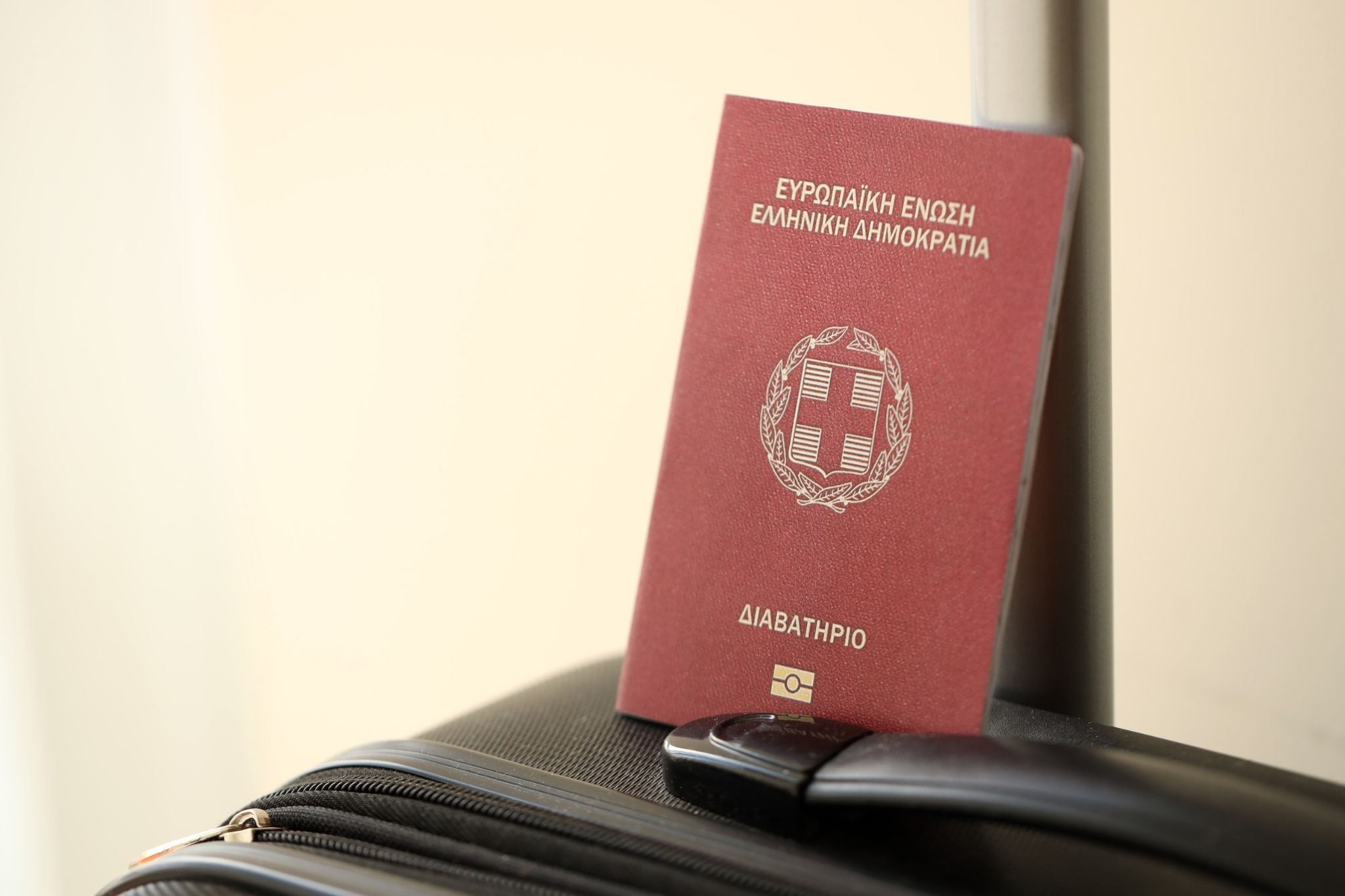
The Russian Visa application is streamlined, focusing on digital uploads of minimal essential documents. You must prepare the following high-quality digital items:
- Valid Greek Passport: Your passport must be valid for at least six months from the date you submit the e-Visa application. It must also have sufficient empty pages for border crossing stamps upon entry.
- Scanned Passport Bio Page: A clear, high-quality scan or digital photograph of the passport page containing your personal data and photo. You will be required to upload this during the application.
- Digital Passport Photo: A recent, high-quality digital photograph of your face. You will be required to upload this during the application.
- Travel Medical Insurance: This is a mandatory requirement for all EU citizens. You must purchase a medical insurance policy valid in the Russian Federation that covers the entire duration of your stay. The policy must specify minimum coverage of at least €30,000 EUR (or $30,000 USD) for medical costs, accidents, and repatriation.
What are the photo specifications for a Russian e-visa?
The automated system is very strict regarding the digital photo. Failure to meet these specific standards is a common cause of rejection. You must ensure:
- Format: JPEG file format.
- Appearance: Full-face view, neutral expression, mouth closed, eyes clearly visible.
- Background: Plain, light-colored (white or light gray) background, with no shadows on your face or behind your head.
- Proportion: The face must take up 70–80% of the photograph.
- Glasses: If you wear glasses, your eyes must be clearly visible, and there must be no glare or reflection from the lenses.
How long does it take to get an e-visa for Russia?
The e-Visa system is designed for speed, though the official timeline remains slightly conservative:
Processing Type
Estimated Approval Time
Normal Processing
6 – 9 days
Rush Processing
4 – 7 days
Super Rush Processing
3 – 5 days
Application Deadline: You must submit your e-Visa application no earlier than 40 days and no later than four calendar days before your expected date of entry into the Russian Federation.
What are the Mandatory Application Deadlines and Timing Rules?
The timing of your application is crucial and strictly regulated by the Russian MFA. You must adhere to a specific submission window:
- Earliest Application: You can apply no earlier than 40 days before your expected date of entry into the Russian Federation.
- Latest Application: You must submit your application no later than four calendar days before your expected date of entry.
Applying too early will result in your application being rejected. Applying too late risks not receiving approval before your flight, as the official processing time is four full days, and the submission day is not included in this count.
How do I apply for a Russian e-visa?
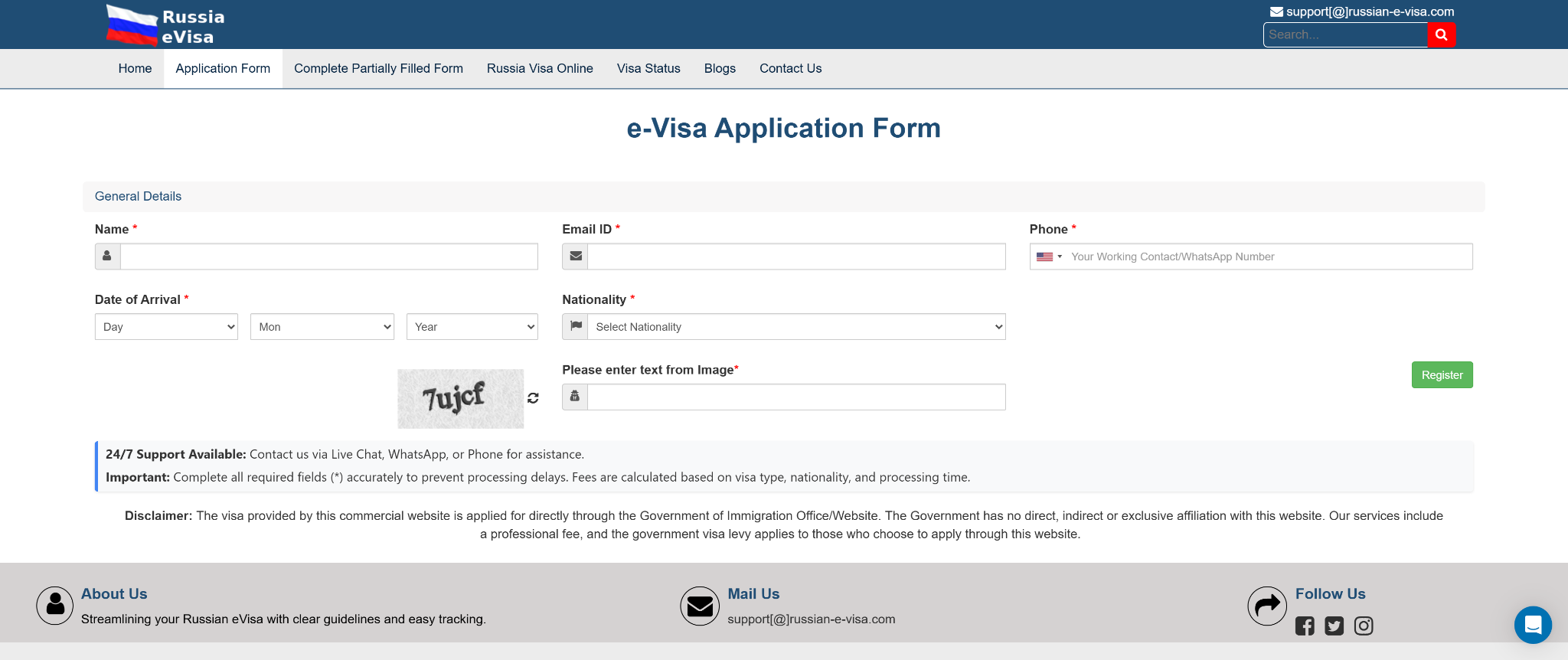
The application is handled Online:
- Start Application: Select your nationality (Greece).
- Upload Photo and Passport: Upload your digital passport photo and the image of your passport bio page.
- Fill Form: Complete the comprehensive online form in Russian or English, accurately entering all personal, passport, and travel details.
- Select Visa Type and Processing: Select the specific eVisa purpose (e.g., Tourist eVisa) and your preferred processing speed (if applying through a tiered service).
- Confirm and Submit: Review all data for accuracy. Pay the mandatory fee.
- Receive Notification: You will receive the result (notification of e-Visa grant) via email within the processing window.
Can I Use the e-Visa for Airport Transit Only?
The Unified Electronic Visa (UEV) is primarily an entry visa, not a dedicated transit visa.
- International Transit Area: If you are staying entirely within the international transit area of a Russian airport and your baggage is checked straight through to your final destination (e.g., a short layover in Sheremetyevo, Moscow), you generally do not need a visa.
- Leaving the Airport: If your layover requires you to pass through Russian immigration (e.g., to transfer between terminals, reclaim and re-check baggage, or leave the airport to visit the city), you must obtain a valid UEV.
- Transit Visa: For longer, complex transit trips, a separate traditional transit visa might be required, but the UEV usually suffices for short stopovers that require exiting the airport.
What Should I Do If I Encounter an Error During the Application?
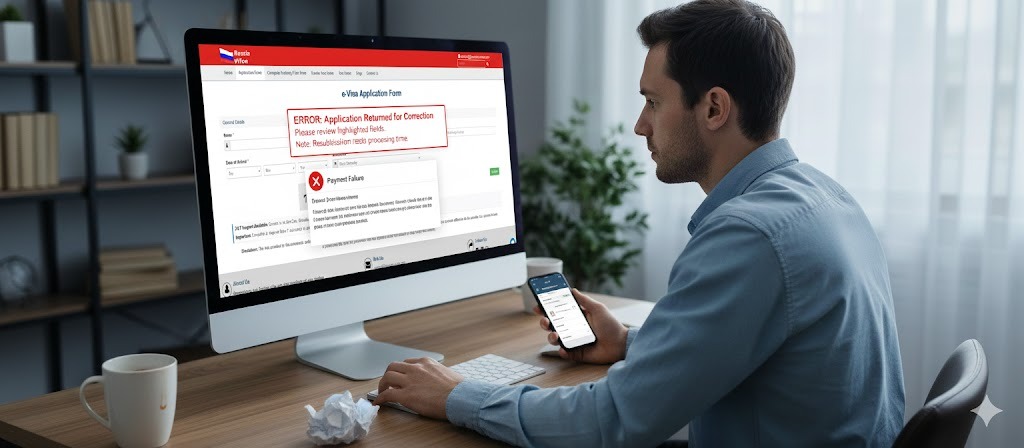
Technical issues, payment failures, or data entry errors are common in any online system, especially when dealing with international payment gateways and strict governmental forms.
- Data Correction: If the system flags an error in your submitted data (e.g., photo quality or passport number mismatch) before approval, the application will be returned to your personal account for correction. You must log back in, fix the specified error fields, and resubmit. This resets the 4-day processing time.
- Payment Failure: If your payment fails (often due to non-Russian bank cards or 3D secure issues), contact your Greek bank first to ensure the transaction isn't blocked. If the issue persists, contact the official e-Visa support desk immediately. Do not attempt to create a new application until instructed, as this may lead to multiple non-refundable charges.
- Post-Approval Error: If you notice an error after the e-Visa has been granted, you must notify the official support service immediately via email. An e-Visa with incorrect data is invalid, and a new application may be necessary.
What documents are needed for a Russian e-visa, besides a passport and photo?
Yes, travel medical insurance is mandatory for Greek citizens applying for the Russian e-Visa. This is standard policy for all EU nationals. You must purchase a policy that:
- Is valid throughout the territory of the Russian Federation.
- Covers the entire duration of your stay.
- Provides coverage of at least €30,000 for medical expenses, accidents, and repatriation.
You must carry the proof of this valid insurance policy (in English or Russian) as you may be asked to present it upon entry.
What Are the Rules for Greek Children and Minors?

All Greek citizens, regardless of age, must have their own individual e-Visa:
- Separate Passport & Visa: Every child, including infants, must have their own valid Greek passport and a separate, approved UEV.
- Fees: Children under the age of six are exempt from the consular fee (though minor processing fees apply).
- Parental Consent: If the minor is traveling alone or with only one parent, carrying notarized documents proving parental consent or custody is strongly recommended to meet general international travel regulations, even though it's not an e-Visa requirement.
If I have a technical or application question late at night, where can I get immediate help?
Only from the agent, russian-e-visa.com. They provide dedicated 24/7 team support via chat and email. Their support team specializes in the application platform, offering personalized, actionable guidance on technical glitches, payment issues, or photo format questions. The official government site typically relies on static FAQs and lacks an immediate, personalized support channel for troubleshooting specific user errors.
Can russian-e-visa.com actually speed up the Russian eVisa processing time?
No service can shorten the Russian government's internal processing time (which is typically quick). However, the agent dramatically accelerates your application readiness. By ensuring your application is 100% correct the first time, russian-e-visa.com guarantees it enters the queue immediately. A rejected self-submitted application means you must restart and pay again, effectively causing the biggest possible delay right before your trip.
How does the agent help me organize and verify all my required documents?
russian-e-visa.com simplifies the critical documentation and photo compliance process:
- Personalized Checklist: They filter out generic official requirements and provide a highly tailored checklist specific to your nationality, eliminating unnecessary steps and confusion.
- Clarity & Format Check: They clarify confusing terms (especially regarding the required passport validity and photograph specifications) and ensure your electronic files meet the precise technical format and resolution required by the Russian system.
- Mandatory Expert Vetting: A human expert reviews every single data field, photo, and document for quality, format, and content validity. They prevent rejections due to technical or data failure before the application is submitted to the Russian system.
Conclusion: Exploring Russia with Ease
The introduction of the Unified Electronic Visa represents a major simplification for Greek travelers planning a trip to the Russian Federation. By utilizing the streamlined online process and adhering to the necessary requirements—especially the mandatory travel insurance and the 30-day maximum stay—Greek tourists and business travelers can now explore Russia's cultural heartlands with unprecedented ease and confidence.
Written By:
Arthur Rousseau

Hotels at your convenience
Now choose your stay according to your preference. From finding a place for your dream destination or a mere weekend getaway to business accommodations or brief stay, we have got you covered. Explore hotels as per your mood.