Safari and Seascape 9 Day Tanzania and Zanzibar
 Nico Krause
17 Nov, 2025
34 mins read
177
Nico Krause
17 Nov, 2025
34 mins read
177

Have you ever been torn between the raw thrill of an African safari and the blissful escape of a tropical island? What if you didn't have to choose?

Welcome to the ultimate "bush to beach" adventure: a 9-day journey through the wild heart of Tanzania followed by a serene retreat on the spice-scented shores of Zanzibar. This itinerary is more than a vacation; it's a journey of two halves, combining the adrenaline-pumping game drives of the world's most famous national parks with the pure, sun-drenched relaxation of the Indian Ocean.
This guide is built to answer all the questions you've been Googling. We'll cover the day-by-day itinerary, costs, Tanzania visa requirements, packing, safety, and all the logistics in between.
Is 9 Days Really Enough for Tanzania and Zanzibar?
This is one of the most common questions, and the answer is a resounding yes—if you plan it right. Nine days is the perfect amount of time for a "whirlwind" tour that captures the essence of both destinations without feeling overly rushed. It's a perfect blend of high-action and deep relaxation. You'll get 5 days on safari, which is the 'sweet spot' for covering the Northern Circuit's 'big three' parks without burnout, and 4 days in Zanzibar to fully unwind, explore, and soak up the sun.
What is the Best Time to Visit Tanzania and Zanzibar?
For the best all-around experience, plan your trip during the main dry season from June to October.
- On Safari (Tanzania): This is peak season for a reason. The vegetation is thin, and animals congregate around water sources, making for spectacular and easy wildlife viewing. If your trip falls between July and September, you might even witness the legendary Great Migration crossing the Mara River in the Northern Serengeti.
- On the Beach (Zanzibar): This period promises clear blue skies, minimal rain, and idyllic beach conditions.
The "short" dry season from late December to February is also a great time, though it can be hotter and more humid.
What about the "Green Season" (Rainy Season)?
While the main "long rains" from March to May are best avoided (many lodges close), the "short rains" in November and December can be a hidden gem. The parks are lush, green, and crowd-free, and it's the absolute best time for birdwatching. Be prepared for brief, heavy afternoon showers, but enjoy the dramatic skies and lower prices.
Your Perfect 9-Day "Bush to Beach" Itinerary: A Day-by-Day Guide
This itinerary is a classic for a reason. It maximizes wildlife viewing and ends with pure relaxation.
Day 1: Arrival in Arusha (JRO)
- Description: Welcome to Tanzania! You'll fly into Kilimanjaro International Airport (JRO). This day is all about acclimatizing.
- Key Sights & Activities:
- Meet & Greet: Your safari operator will meet you at arrivals.
- Hotel Transfer: Transfer to your lodge in or near Arusha, the gateway city to the safari circuit.
- Safari Briefing: Your guide will give you a brief overview of the adventure ahead.
- Relax: Get a good night's sleep.
Day 2: The Elephant Kingdom (Tarangire National Park)
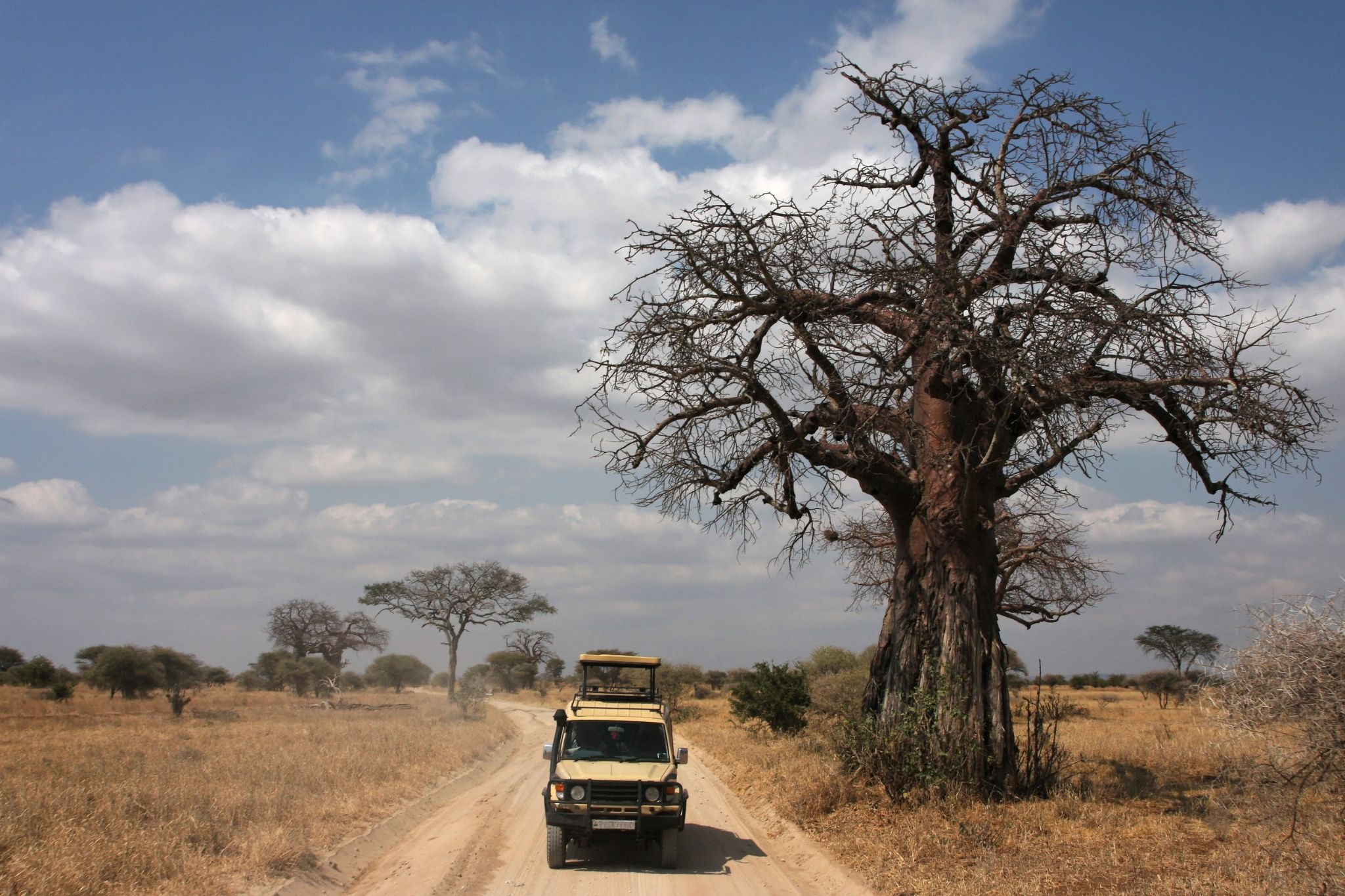
- Description: After breakfast, you'll drive 2-3 hours to Tarangire National Park. This park is defined by its unique landscape of ancient baobab trees and is famous for its massive elephant population.
- Key Sights & Activities:
- Full-Day Game Drive: Spend the day exploring in your 4x4. The Tarangire River is a magnet for wildlife.
- See Massive Elephant Herds: Tarangire is renowned for its high density of elephants, often in groups of 100+.
- Spot the Baobabs: See the iconic "Tree of Life" dotting the landscape.
- Birdwatching: An incredible variety of 550+ bird species.
- See: Giraffes, zebras, wildebeest, large herds of buffalo, and (if you're lucky) lions.
Day 3: Journey to the Endless Plains (Serengeti National Park)
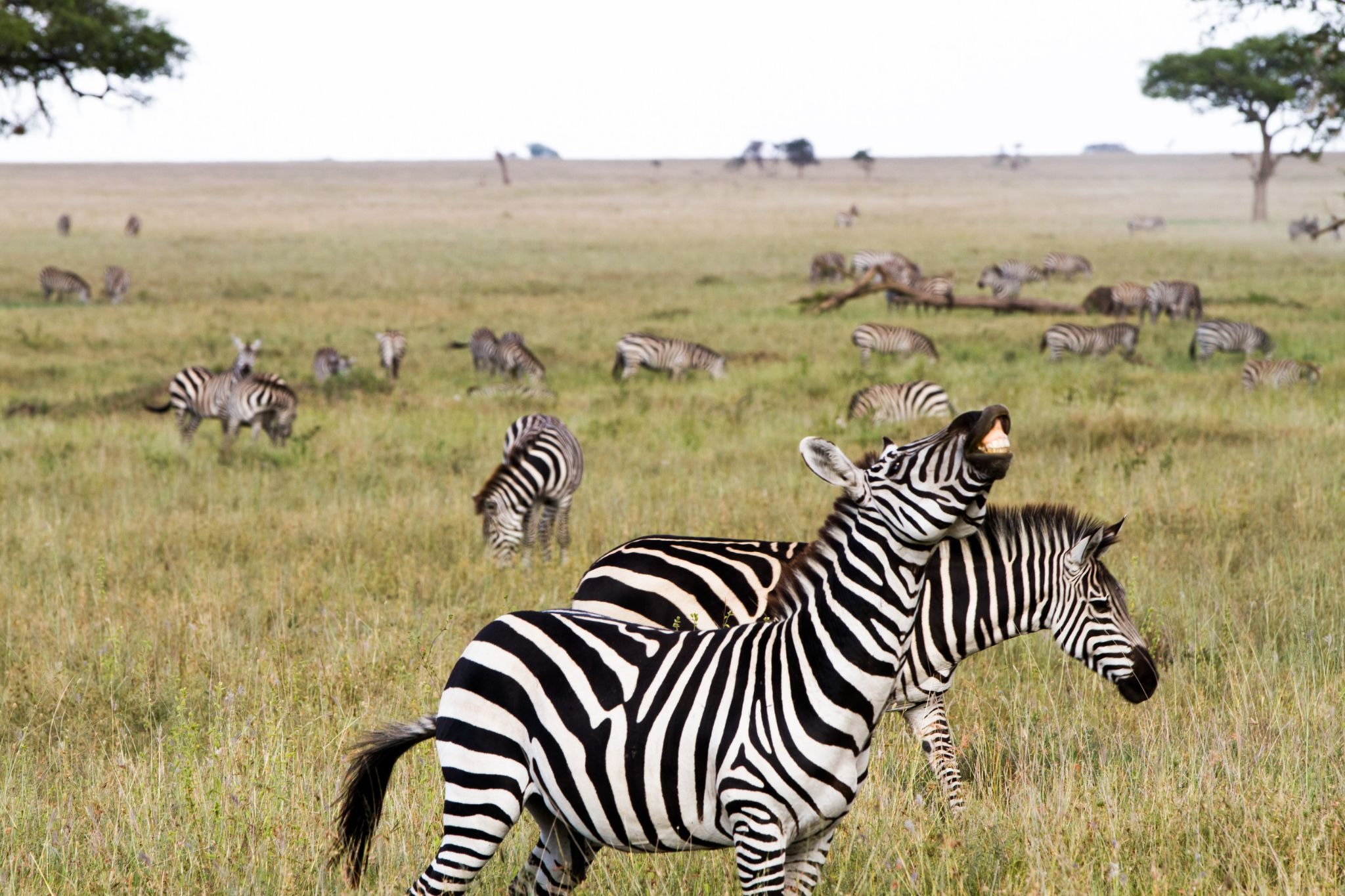
- Description: Today is a travel and safari day combined. The drive itself is an experience, taking you up the Great Rift Valley escarpment, through the Ngorongoro Conservation Area (with a photo stop at the crater rim), and past Maasai villages.
- Key Sights & Activities:
- Scenic Drive: A beautiful drive through Maasai lands.
- Arrive in Serengeti: 'Serengeti' means 'endless plains' in the Maasai language, and you'll immediately see why.
- Afternoon Game Drive: Your first game drive will be in the Central Serengeti (Seronera Valley), known as the "big cat capital" of Africa, as you head to your camp.
Day 4: A Full Day in the Serengeti
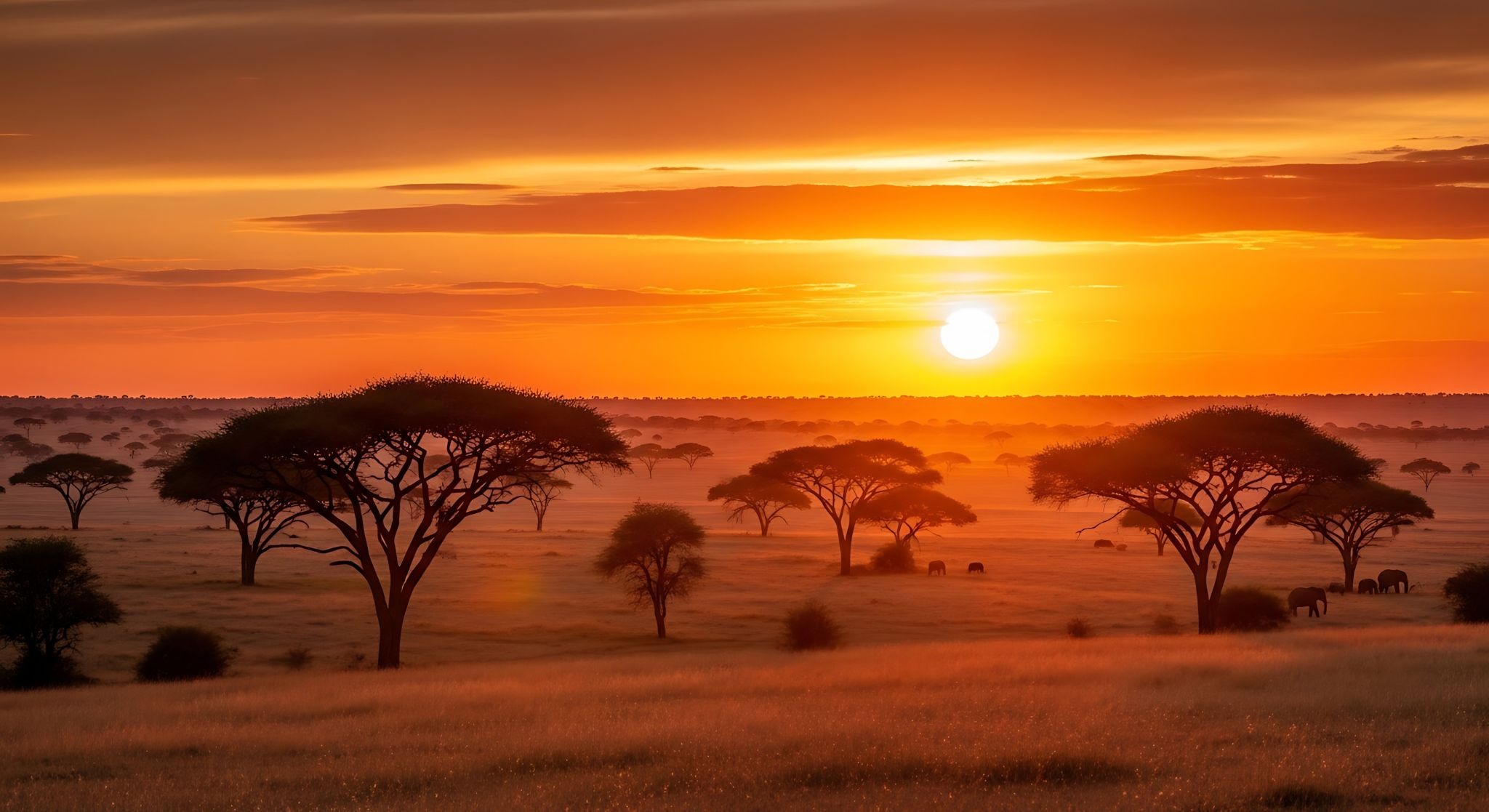
- Description: This is what you came for. You'll spend the entire day exploring the Seronera Valley, the predator capital of the world.
- Key Sights & Activities:
- Morning & Afternoon Game Drives: Your guide will track lions, cheetahs hunting on the open plains, and the elusive leopard, often found resting in the branches of a sausage tree.
- Focus on Predators: The density of big cats here is astounding.
- Hippo Pools: Visit a "hippo pool" to see (and smell!) dozens of hippos jostling for space.
- The Great Migration: Depending on the month, you may see the massive herds of wildebeest and zebra (they are often in this area).
Day 5: The "Eighth Wonder of the World" (Ngorongoro Crater)
- Description: After an early breakfast, you'll drive to the Ngorongoro Crater, the world's largest intact volcanic caldera. You'll descend 2,000 feet to the crater floor, a "Garden of Eden" with one of the highest densities of wildlife on earth.
- Key Sights & Activities:
- Descend to the Crater Floor: A unique, 100-square-mile self-contained ecosystem.
- Best Chance for Black Rhino: This is your single best opportunity to see the critically endangered black rhino.
- See "Big Tuskers": The crater is home to massive old male elephants.
- Picnic Lunch in the Crater: Enjoy lunch by a hippo pool.
- See: Lions, elephants, buffalo, hyenas, and the pink flamingos on Lake Magadi.
Day 6: Bush to Beach Flight to Zanzibar
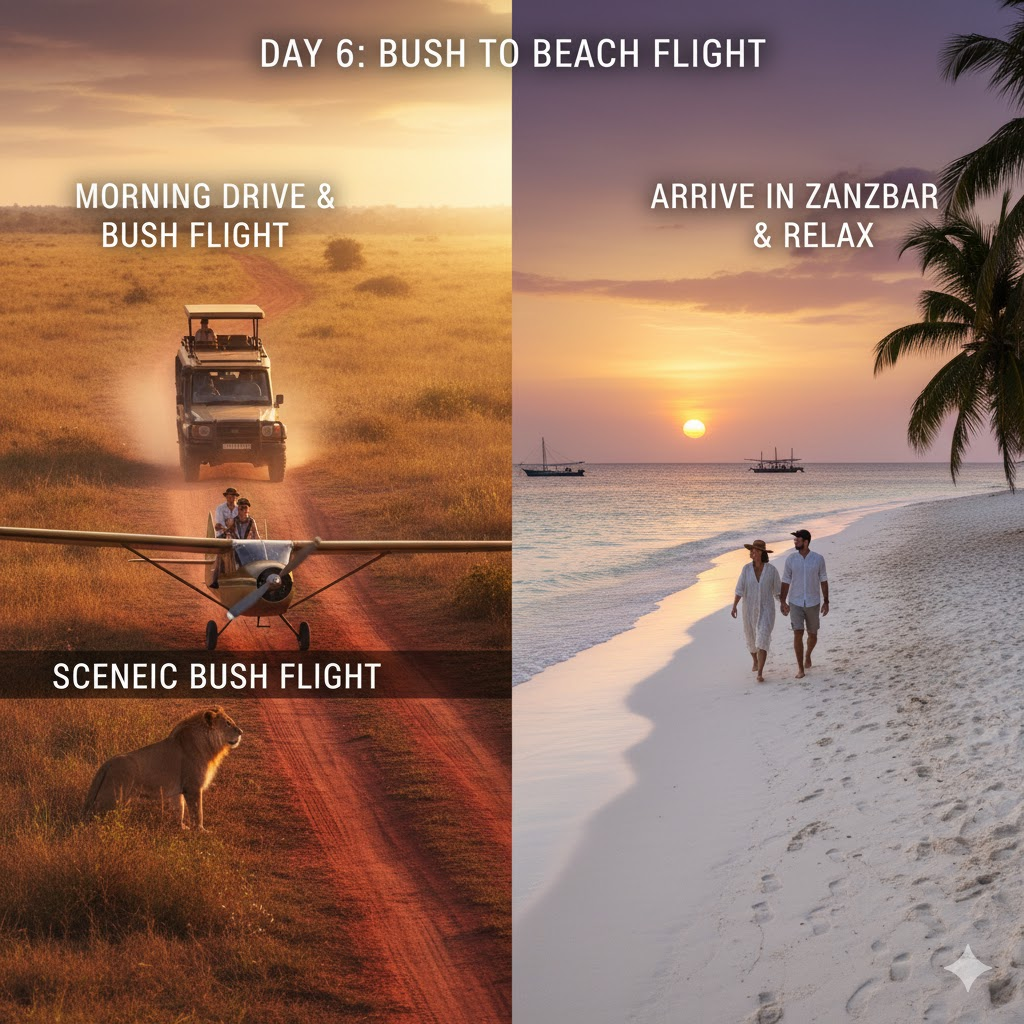
- Description: After a final safari breakfast, your guide will drive you to the nearest airstrip for your "bush flight" to Zanzibar.
- Key Sights & Activities:
- Morning Drive: A last look at the Tanzanian bush on your way to the airstrip (likely Arusha or one within the park).
- Scenic "Bush Flight": Soar over the landscape in a small propeller plane.
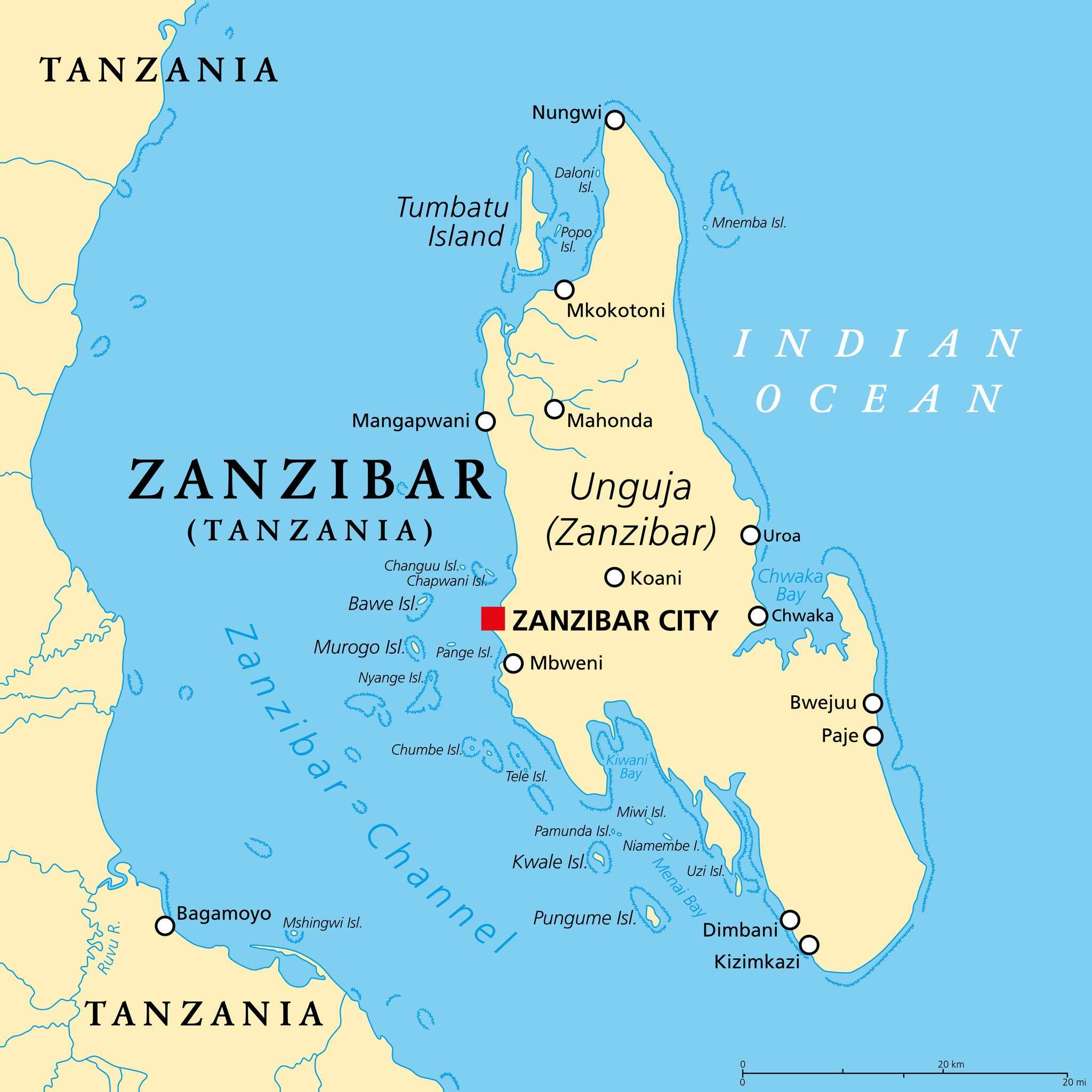
- Arrive in Zanzibar: Land at Abeid Amani Karume International Airport (ZNZ).
- Beach Resort Transfer: Your new driver will pick you up.
- Relax: Check in, drop your bags, feel the ocean breeze, and enjoy your first island sunset.
Day 7: History and Spices (Stone Town & Spice Farm)
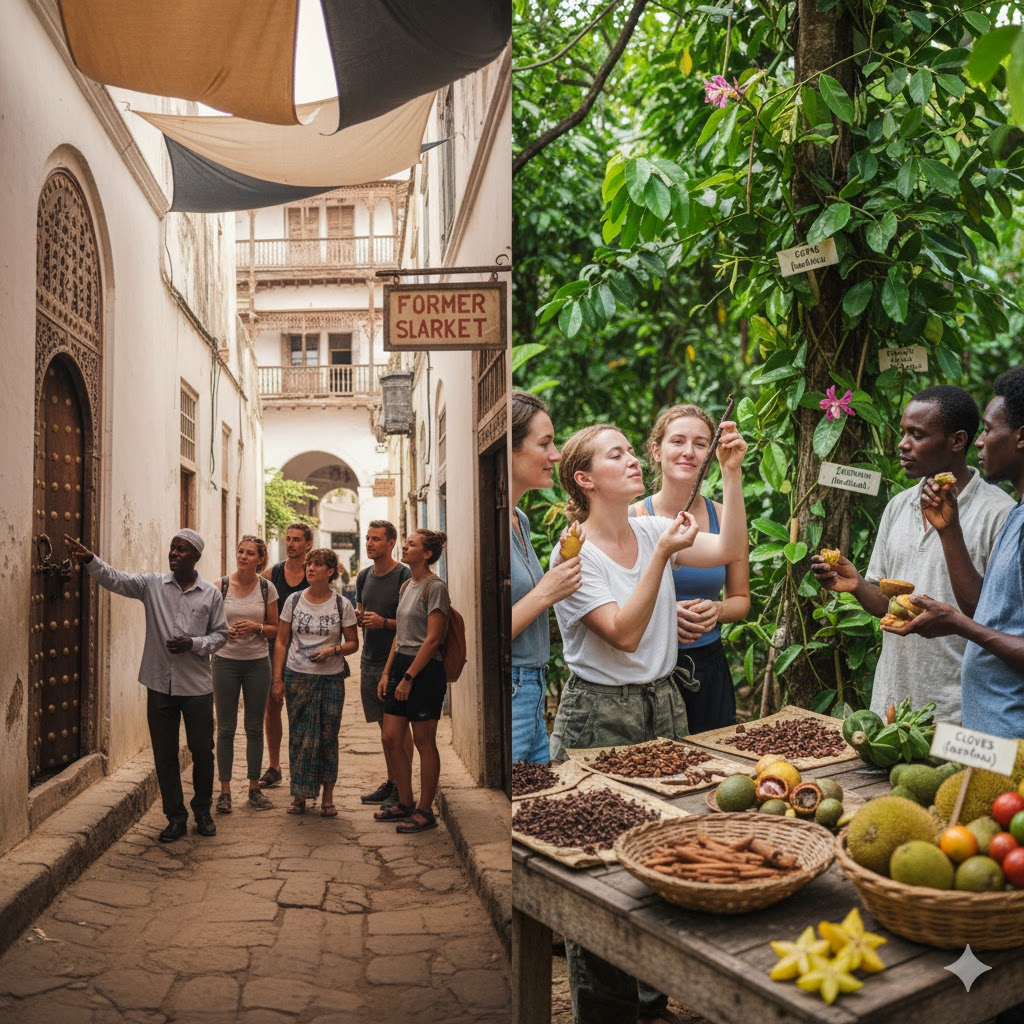
- Description: Dive into Zanzibar's rich and complex culture and history.
- Key Sights & Activities:
- Guided Spice Farm Tour: An interactive sensory experience. You'll see, smell, and taste why Zanzibar is "The Spice Island." You'll try cloves, vanilla, nutmeg, cinnamon, and exotic fruits.
- Historical Stone Town Tour: Get lost in the winding alleys of the UNESCO World Heritage Site.
- Visit: The moving site of the former slave market, the House of Wonders, the Old Fort, and the bustling Darajani Market.
Day 8: Sun, Sand, and Sea (Nungwi or Kendwa)
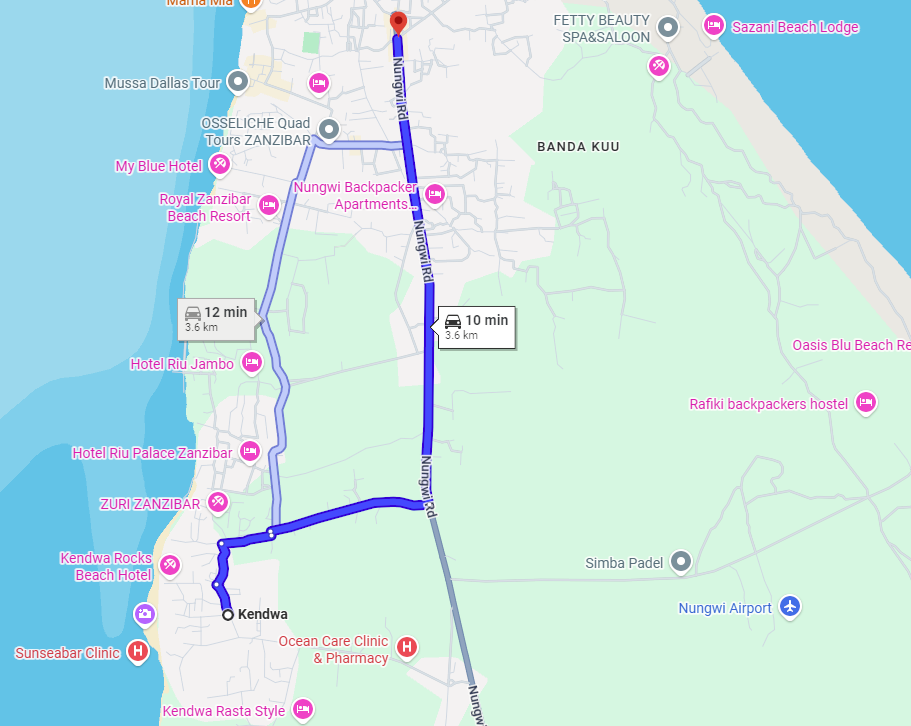
- Description: This is your day for pure, uninterrupted relaxation on the island's most beautiful beaches.
- Key Sights & Activities:
- Relax on the Beach: Head to Nungwi or Kendwa on the northern tip.
- Optional Snorkeling/Diving: Take a boat trip to the nearby Mnemba Atoll for world-class snorkeling.
- Sunset Dhow Cruise: Take a traditional wooden dhow boat for a sunset sail.
- Do Nothing: Simply read a book and enjoy paradise.
What's the difference between Nungwi and Kendwa?
These two northern beaches are famous for having the best swimming, as they are less affected by the dramatic high/low tides. Nungwi is more bustling, with a lively village, more restaurants, and the Mnarani Marine Turtle Conservation Pond. Kendwa is just south of Nungwi and is known for its wider, more relaxed beach and a slightly more 'upscale' feel. Both offer incredible sunsets.
Day 9: Kwaheri (Goodbye) and Departure
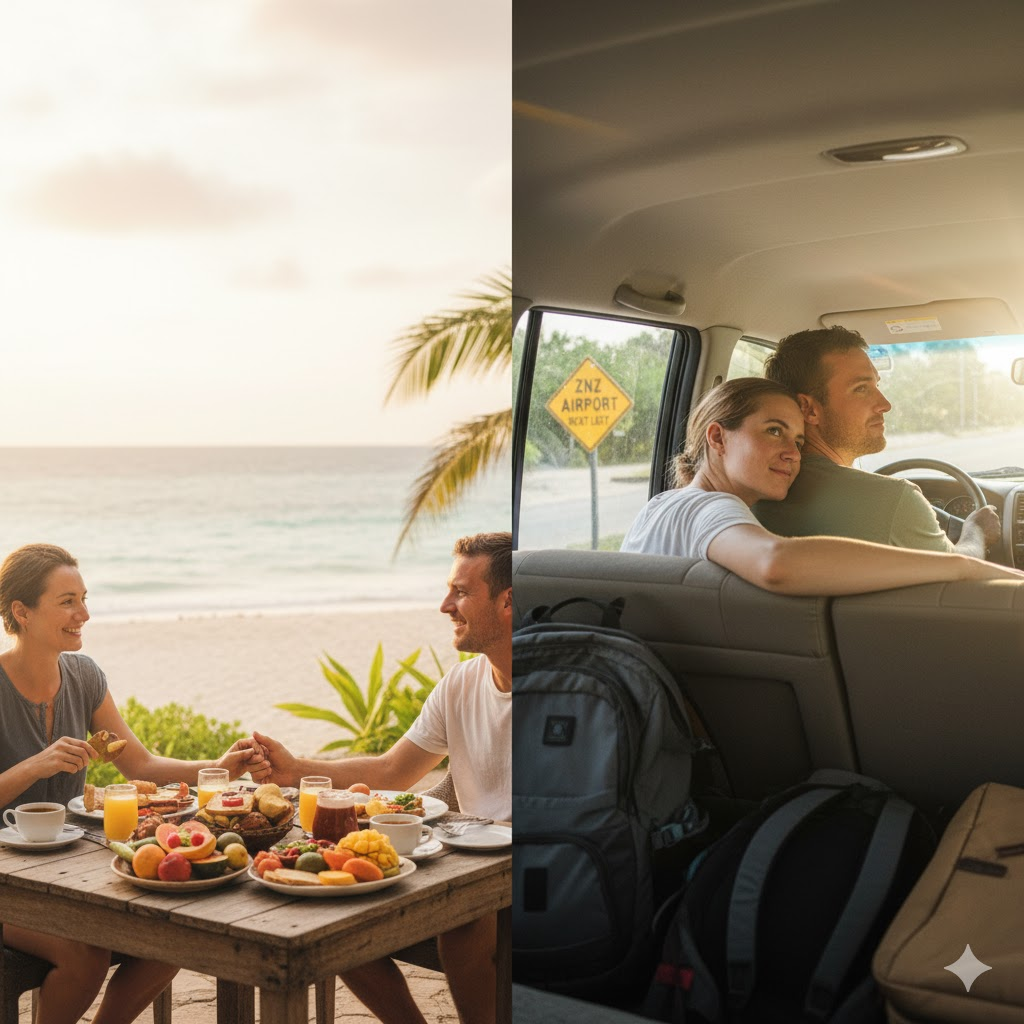
- Description: Enjoy a final, leisurely breakfast at your resort.
- Key Sights & Activities:
- Final Swim: Depending on your flight schedule, you may have time for one last dip in the ocean.
- Transfer: Your driver will take you back to ZNZ airport for your flight home, filled with memories.
What Are the "Big 5" and Where Can You See Them?
The "Big 5" is an old hunting term for the five most difficult and dangerous animals to hunt on foot. Today, it's a photographic checklist. They are:
- Lion: Plentiful in the Serengeti and Ngorongoro Crater.
- Leopard: Elusive, but often spotted in the trees of the Seronera Valley (Serengeti).
- Elephant: Abundant in Tarangire, the Serengeti, and Ngorongoro.
- African (Cape) Buffalo: Seen in large herds in all parks.
- Black Rhinoceros: The most difficult to see. Your best chance is on the floor of the Ngorongoro Crater.
How Do You Get from the Serengeti to Zanzibar?
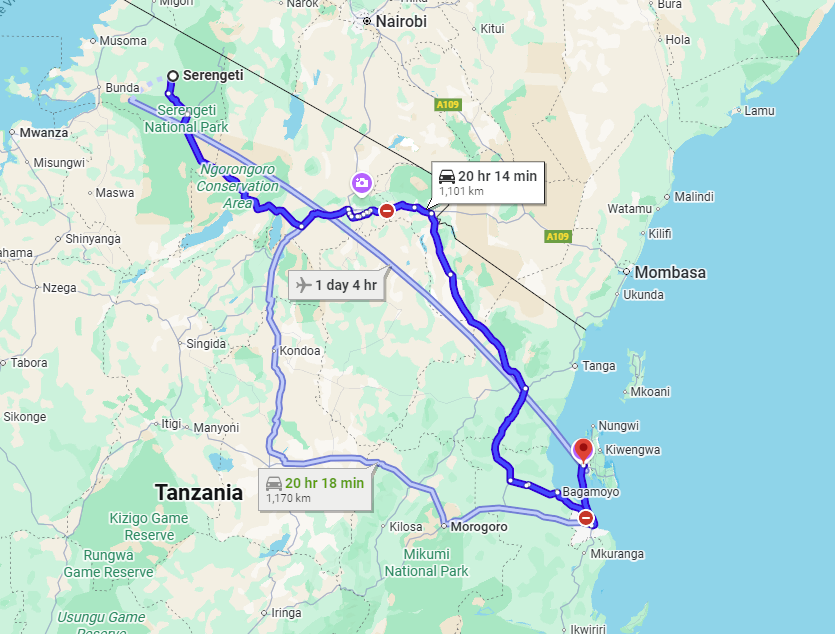
The easiest, fastest, and most recommended way is to fly. Driving is not a practical option. You will take a small "bush plane" from an airstrip in or near the safari parks (like Seronera in the Serengeti or Arusha) directly to Zanzibar (ZNZ). This flight typically takes 1-2 hours and saves you almost two days of grueling overland travel.
What Does a 9-Day Tanzania and Zanzibar Trip Cost?
This is a big question: Traveling to Zanzibar with a Tanzania eVisa with a wide answer. Prices vary dramatically based on your style of travel (budget, mid-range, or luxury).
- Budget: $2,500 - $3,500 USD per person. This typically involves basic camping on safari and simple guesthouses in Zanzibar.
- Mid-Range: $4,000 - $6,000 USD per person. This is the most popular option, offering comfortable safari lodges (tented camps or permanent lodges) and nice 4-star beach resorts.
- Luxury: $7,000 - $12,000+ USD per person. This includes high-end luxury lodges, private plunge pools, and 5-star all-inclusive resorts in Zanzibar.
This price generally includes: All safari accommodations, park fees, a private 4x4 vehicle with a guide, all meals on safari, the internal flight to Zanzibar, and your Zanzibar accommodation. It usually excludes international flights, tips, and visas.
What Currency Should I Use in Tanzania?
Tanzania's official currency is the Tanzanian Shilling (TZS). However, US Dollars (USD) are widely accepted and often required for major tourist expenses like park fees, hotels, safari pa yments, and domestic flights.
- Rule of Thumb: Bring USD in cash for all your big-ticket items. It's essential that the bills are printed in 2009 or later, as older bills are often rejected.
- Use TZS (which you can get from an ATM) for smaller purchases, local markets, tips, and restaurants. Credit cards are only accepted at very high-end hotels and often come with a 5-8% surcharge.
How Much Should I Tip on a Tanzania Safari?
Tipping is not mandatory, but it is a customary and vital part of the tourism economy. It is highly appreciated for good service.
Here is a general guide (these are often given in USD at the end of your stay):
- Safari Guide: $20 - $30 per day per group/vehicle (not per person).
- Lodge/Camp Staff (General Tip Box): $10 - $15 per day per group. This is shared among all the staff (kitchen, housekeeping, guards).
- Porters/Hotel Staff: $1 - $2 per bag or service.
- In Zanzibar: A 10% tip at restaurants is standard if a service charge isn't already included.
Tanzania e-Visa: What You Need to Know
Getting your visa is a critical step. While a Visa on Arrival is still an option at major airports, the e-Visa is strongly recommended to save time and hassle at the airport.
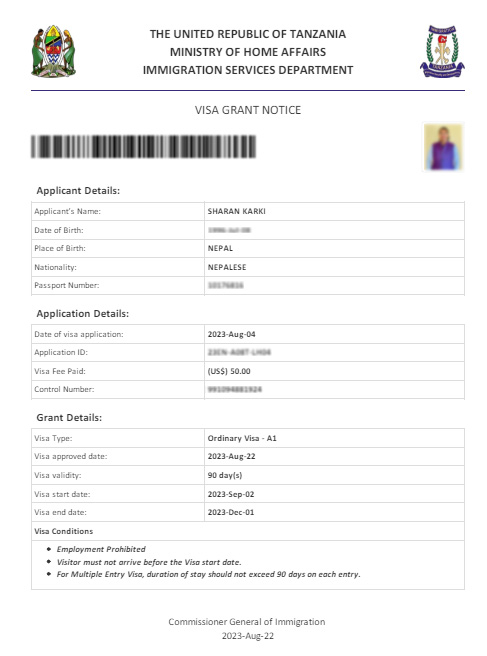
What Visa Type Do I Need?
- Most Tourists: You need an "Ordinary Visa" (also called a Single Entry Tourist Visa). This is valid for 90 days.
- Exception for US Citizens: Due to a reciprocal agreement, US citizens must apply for a "Multiple Entry Visa" that is valid for one year, and allows multiple entries, though you cannot stay for more than 90 consecutive days.
How to Apply for Tanzania eVisa:
- Fill Out the Application: Fill in your personal information, passport details, and travel plans.
- Upload Documents: You will typically need:
- A scanned copy of your passport bio page (must be valid for 6+ months from your arrival date).
- A recent passport-style digital photo.
- A copy of your return flight ticket.
- Contact information for your first hotel or safari operator (they can provide this).
- Pay the Fee: Pay the Tanzania Visa Fee Online for an Ordinary Visa for and Multiple Entry Visa.
- Wait for Approval: Processing officially takes 10-14 days, but it's wise to apply at least 3-4 weeks before your trip to be safe. You will receive an approval notification via email. Print it out and bring it with you.
Is Tanzania and Zanzibar Safe for Tourists?
Yes, Tanzania is widely considered a safe and welcoming country for tourists. The tourism industry is a vital part of its economy. On safari, you are protected by your expert guide. In Zanzibar, exercise standard travel precautions: don't flash valuables, be aware of your surroundings in crowded areas like Stone Town, and avoid walking alone on beaches at night.
Is Tanzania Safe for Solo Female Travellers?
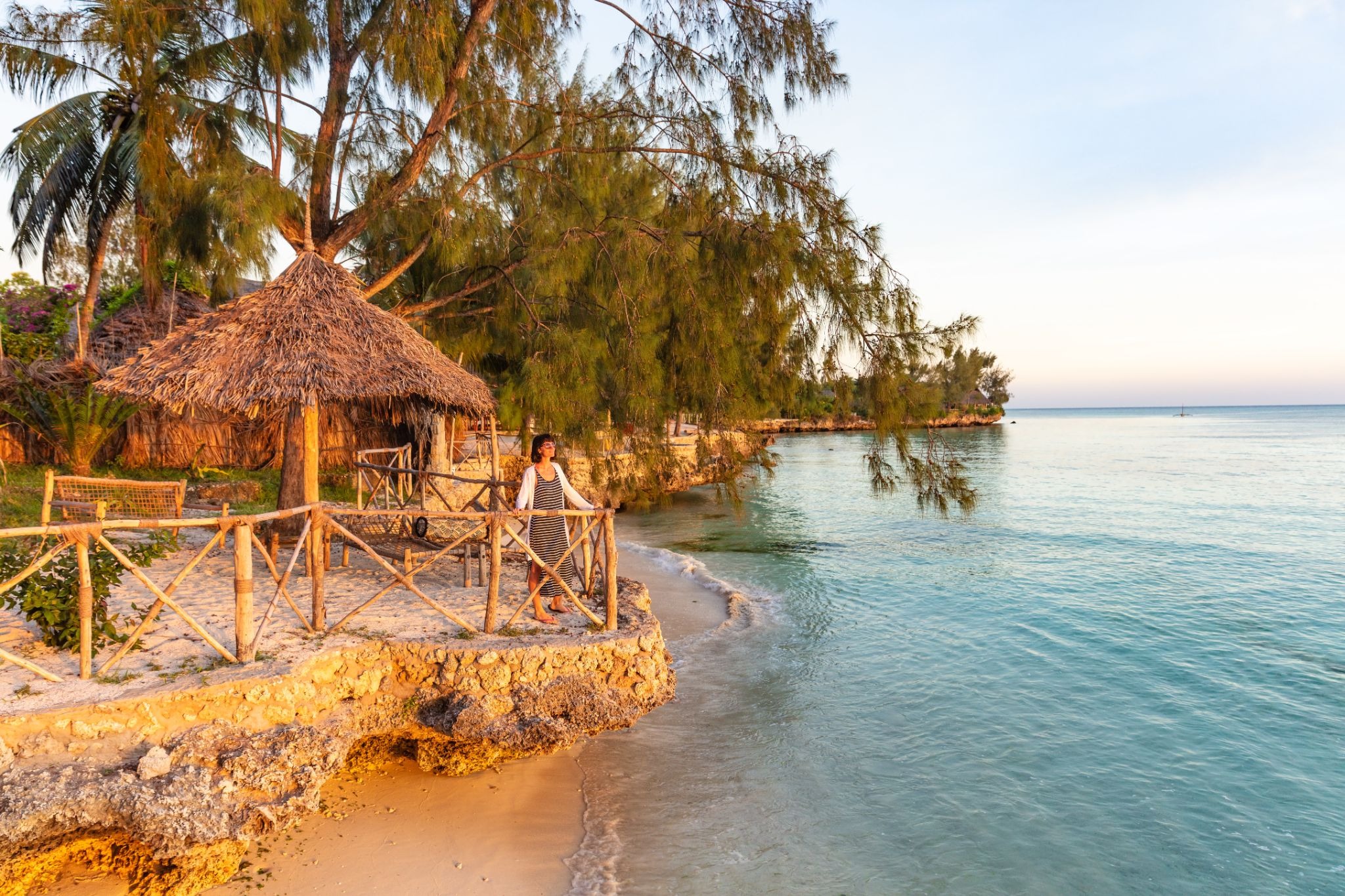
Yes, Tanzania is generally considered safe for solo female travellers, especially when on an organized safari, as you are with a professional guide the entire time. In Zanzibar, it's wise to take standard precautions: don't walk alone at night (especially on beaches), dress modestly in Stone Town (covering shoulders and knees) to respect the local culture, and be firm but polite in deflecting any unwanted attention.
What Vaccinations Do I Need for Tanzania?
You must consult a travel doctor or clinic 4-6 weeks before your trip for personalized medical advice. Commonly recommended vaccinations include:
- Hepatitis A & B
- Typhoid
- Tetanus
- Yellow Fever: This is mandatory if you are arriving from a country with a risk of yellow fever transmission (this includes many other African and South American countries).
- Malaria: You will need to take anti-malarial medication.
What About Malaria Pills and Side Effects?
Yes, malaria is present in both mainland Tanzania and Zanzibar, and you will need an anti-malarial prescription. The most common options are Malarone (Atovaquone/Proguanil), Doxycycline, or Mefloquine.
- Consult your doctor to see which is best for you.
- Malarone is popular as it's taken daily and has fewer reported side effects.
- Doxycycline is also effective but can increase your skin's sensitivity to the sun (you must use high-SPF sunscreen!).
- Start your pills before your trip, as directed by your doctor.
What to Pack for a Safari AND a Beach Holiday?
Packing for two different climates can be tricky. The key is layers.

- For Safari:
- Neutral-colored clothing: (khaki, beige, green, brown).
- Light, long-sleeved shirts and trousers (for sun and insect protection).
- A warm fleece or jacket (mornings and evenings are cold!).
- Comfortable shoes or hiking boots.
- A wide-brimmed hat and sunglasses.
- For Zanzibar:
- Swimsuits, shorts, t-shirts, and sundresses.
- Reef-safe sunscreen.
- A light cover-up.
- Modest clothing: (covering shoulders and knees) for visiting Stone Town or local villages out of respect for the predominantly Muslim culture.
- Essentials for Both:
- Binoculars (do not skip this!)
- A good camera with extra batteries and memory cards.
- Insect repellent (with DEET).
- A small personal first-aid kit and any prescription medications.
- A universal power adapter.
What Colors Should You NOT Wear on Safari?
This is a key question!
- AVOID Blue and Black: These colors are known to attract tsetse flies, which have a painful bite.
- AVOID Bright White: It stands out, can scare animals, and gets visibly dirty very quickly.
- AVOID Camouflage: In many African countries, camouflage patterns are reserved for the military and are illegal for civilians to wear.
- DO Wear: Neutral, earthy tones: khaki, beige, olive green, and brown. These help you blend in and don't attract insects.
Beyond the Beach: What Are the Must-Do Activities in Zanzibar?
Don't spend all your time at the resort! Zanzibar's culture is its main attraction.
- Spice Farm Tour: A fascinating look into the island's agricultural heritage.
- Stone Town Tour: A deep dive into the history, architecture, and culture of the ancient city.
- Forodhani Gardens Night Market: A must-visit in Stone Town to try local street food like Zanzibar pizza and fresh-pressed sugarcane juice.
- Prison Island: Take a 30-minute boat ride to see the giant Aldabra tortoises, some over 150 years old.
Ready for Your Once-in-a-Lifetime Adventure?
A 9-day trip to Tanzania and Zanzibar is an experience of perfect contrasts. It’s the thrill of spotting a lioness on the hunt and the peace of a dhow sailing at sunset. It’s a journey that will reset your perspective, thrill your senses, and relax your soul.
Written By:
Nico Krause

Hotels at your convenience
Now choose your stay according to your preference. From finding a place for your dream destination or a mere weekend getaway to business accommodations or brief stay, we have got you covered. Explore hotels as per your mood.