Safe Trekking in Uttarakhand: Why Hiring a Local Travel Company Matters
 Roopkund Heaven
12 Jan, 2026
11 mins read
106
Roopkund Heaven
12 Jan, 2026
11 mins read
106
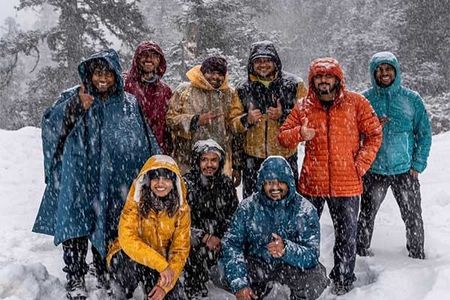
Trekking in Uttarakhand is not a casual adventure.
The Himalayas are stunning—but they are also unpredictable, remote, and unforgiving if safety is ignored.
After more than 15 years of working in the Uttarakhand trekking ecosystem—with guides, villagers, forest staff, and rescue teams—one reality is clear:
Most trekking accidents don’t happen because people are unfit. They happen because they are unprepared or poorly guided.
This is why choosing a local travel company in Uttarakhand can make the difference between a memorable trek and a dangerous situation.
1. Local Knowledge That Can Truly Save Lives in the Himalayas
Understanding sudden weather shifts in Garhwal and Kumaon
Weather in the Himalayas can change within minutes.
Local operators rely not just on forecasts, but on on-ground signs such as:
- Cloud buildup patterns
- Sudden wind direction changes
- Rapid temperature drops before snowfall or rain
Expert insight:
Many experienced local guides turn back before bad weather officially arrives—something weather apps often fail to predict accurately in the mountains.
Awareness of landslide-prone and avalanche-risk zones
Certain trail sections become dangerous during:
- Monsoon (active landslides)
- Early winter (fresh snow layers)
- Spring (snowmelt and loose rocks)
Local companies know:
- Which slopes are unstable
- Which stretches should be crossed early
- When to completely avoid a route
Alternate routes known only to locals
When trails get blocked due to snow or landslides, digital maps are useless.
Local operators often use:
- Shepherd trails
- Forest detours
- Village-to-village connector paths
These routes are passed down through experience—not online guides.
2. Trained Local Guides Who Understand Uttarakhand’s Terrain
Early identification and response to altitude sickness (AMS)
AMS rarely starts dramatically.
Experienced guides notice:
- Slower walking pace
- Loss of appetite
- Headache patterns
- Unusual silence or fatigue
They respond early with:
- Rest and hydration
- Slower ascent
- Immediate descent if required
Experience across all trekking seasons
A single trail behaves very differently in:
Local guides adjust:
- Daily distances
- Campsite selection
- Walking speed and timing
Handling difficult river crossings and steep ascents
Locals know:
- When water flow is lowest
- Where streams split safely
- How to test rock stability on steep sections
These skills are learned through repetition—not certification alone.
3. Faster Emergency Response in Remote Trekking Regions
Strong local networks on the ground
Local companies maintain long-standing relationships with:
- Villagers
- Forest department staff
- Mule and porter groups
This network becomes crucial during emergencies.
Faster evacuation in no-road areas
In remote regions, evacuation depends on:
- Manpower availability
- Route familiarity
- Physical access—not paperwork
Local teams mobilize help far more efficiently than outside operators.
Reliable coordination when mobile networks fail
Most treks lose network after the base village.
Local operators rely on:
- Fixed communication zones
- Messenger systems via villages
- Known signal pockets
4. Better Handling of Mountain Weather Uncertainty
Reading natural weather indicators
Local guides read:
- Cloud stacking over ridges
- Wind speed changes
- Snow texture and sound
Making real-time route and itinerary decisions
Safety-focused local operators:
- Reroute when needed
- Reduce distances
- Delay summit attempts
Avoiding risky summit pressure
Many accidents happen due to fixed itineraries.
Local teams prioritize safe descent over summit success.
5. Supporting Local Economy and Mountain Communities
Hiring local travel companies directly supports:
- Employment for guides, cooks, and porters
- Income for remote villages
- Sustainable tourism instead of mass exploitation
Healthy communities create safer trekking environments.
6. Authentic Trekking Experiences Beyond Online Maps
Local operators provide:
- Lesser-known trails and viewpoints
- Village interactions and homestays
- Regional food and cultural stories
This creates deeper, more meaningful trekking experiences.
7. Legal Permits, Forest Rules, and Safety Compliance Made Easy
Local companies handle:
- Forest entry permits
- Eco-zone permissions
- Seasonal restrictions
They stay updated with:
- Restricted areas
- Wildlife movement advisories
- Administrative rule changes
8. Reliable Logistics and Well-Maintained Equipment
Gear suited for Himalayan conditions
Local companies use:
- Weather-tested tents
- Insulated sleeping bags
- Season-appropriate footwear recommendations
Safe food and water practices
Experienced local cooks understand:
- Altitude cooking challenges
- Hygiene in freezing conditions
- Nutritional needs at high altitude
Ethical porter and staff management
Responsible local operators ensure:
- Proper load limits
- Fair wages
- Staff safety and welfare
9. Smaller Groups Mean Safer, More Personal Treks
Smaller trekking groups allow:
- Better acclimatization
- Safer movement on narrow trails
- Closer health monitoring
10. Real-Time Decision-Making During Emergencies
Local operators can:
- Modify plans immediately during illness or injury
- Adjust routes based on weather
- Cancel treks when conditions become unsafe
There is no delay for approvals from distant offices.
11. Ground Reality vs Online Trekking Promises
Local companies understand:
- Seasonal trail damage
- Temporary route closures
- Local rules that change without online updates
This prevents last-minute shocks.
12. Ethical and Sustainable Trekking Practices
Responsible local operators follow:
- Carry-back waste policies
- Wildlife respect guidelines
- Cultural sensitivity practices
Sustainability directly impacts long-term trekking safety.
13. Transparent Pricing Without Safety Compromises
Local trekking companies offer:
- Clear inclusions and exclusions
- Honest cost breakdowns
- No safety shortcuts to reduce prices
Cheap treks often cost more—later.
14. Ideal Choice for First-Time and Solo Trekkers
Local companies provide:
- Confidence through experience
- Safer group dynamics
- Emotional and physical reassurance on difficult days
Why Choose Roopkund Heaven for Trekking in Uttarakhand
Roopkund Heaven is a Uttarakhand-based local travel company known for:
- Experienced local guides
- Small group treks
- Strong emergency preparedness
- Ethical trekking practices
- Honest itineraries with realistic expectations
They don’t just organize treks—they manage mountain risks responsibly.
Final Thoughts: Safety in Uttarakhand’s Himalayas Is Non-Negotiable
The Himalayas reward respect—and punish negligence.
Choosing a local trekking company means choosing:
- Experience over assumptions
- Safety over shortcuts
- Authenticity over marketing promises
👉 For a safer, more meaningful trekking experience in Uttarakhand, trust a local expert like Roopkund Heaven.
Frequently Asked Questions (FAQs)
Is trekking with a local company safer in Uttarakhand?
Yes. Local operators understand terrain, weather, and emergency handling far better than outside agencies.
Are local trekking companies expensive?
Not always. They often provide better value with transparent pricing and no hidden compromises.
Can beginners trek safely in Uttarakhand?
Yes—when guided by experienced local teams.
Why avoid cheap online trekking packages?
They often compromise on safety, group size, and emergency readiness.
Written By:
Roopkund Heaven

Hotels at your convenience
Now choose your stay according to your preference. From finding a place for your dream destination or a mere weekend getaway to business accommodations or brief stay, we have got you covered. Explore hotels as per your mood.