Saudi Arabia Historical Sites Every Traveler Should Visit
 Sara Saroshk
12 Feb, 2026
8 mins read
99
Sara Saroshk
12 Feb, 2026
8 mins read
99
Traveling through Saudi Arabia for its historical sites feels different from ticking off landmarks elsewhere. Not because the places aren’t impressive—they are—but because many of them still feel personal, lightly visited, and deeply connected to daily life. History here isn’t fenced off. It’s part of the landscape, the towns, and sometimes the walk you take to buy coffee.
If you come expecting polished museums and guided routes everywhere, you’ll be surprised. If you come curious and patient, the country rewards you quickly.
Diriyah: Where the Country’s Story Feels Grounded
Just outside Riyadh, Diriyah doesn’t overwhelm you at first. The mud-brick walls blend into the desert. The paths are wide and quiet. Then you start noticing details—the way the structures are rebuilt without looking artificial, the views over the valley, the sense of scale.
Diriyah works best if you take it slowly. Walk without rushing. Sit for a few minutes. Most people miss how peaceful it feels in the late afternoon when the heat drops and the crowds thin.
It’s an easy first stop and a good introduction to Saudi history without feeling academic.
Al-Ula: History in Layers, Not Headlines
Al-Ula gets attention for good reason, but what surprised me wasn’t the famous tombs—it was how spread out everything is. You don’t “do” Al-Ula in a morning.
Hegra, the old town, the rock formations, the desert silence between sites—they all matter. Hegra is the highlight, but only if you give it space. The carvings are precise. The setting is stark. It feels remote even with modern access.
This is where trips often go wrong: people rush. Al-Ula rewards those who slow down, especially early in the morning or near sunset.
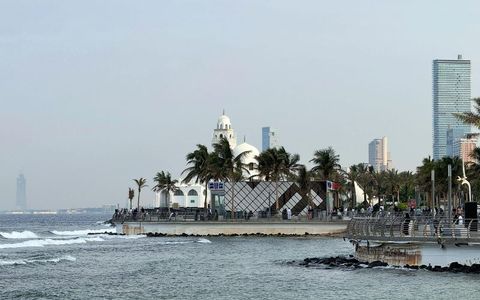
Jeddah’s Al-Balad: Living History, Not a Display
In Jeddah, history isn’t quiet. It’s busy, layered, and sometimes chaotic. Al-Balad is one of the few places where you can feel the old trading city still breathing.
Wooden balconies lean over narrow streets. Shops sell everything from spices to mobile phones. Kids play. Workers unload goods. It’s not staged.
Go during daylight first, then return at night. The mood changes completely. Most travelers only come once. That’s a mistake.
Mada’in Saleh’s Silence Is the Point
Hegra often gets compared to Petra, which isn’t wrong, but it misses the point. The real difference is silence. There’s space here. No one rushes you along.
Standing alone in front of a carved tomb, with nothing but wind and stone, feels rare in modern travel. It’s one of those places where you stop taking photos and just look.
If you’re doing Saudi Arabia heritage and history tours, this is one site where a good guide helps—not to lecture, but to help you notice what you’d otherwise overlook.
Taif and the Mountain Settlements
History in Saudi Arabia isn’t only in the desert. Taif and nearby villages show another side of the country. Cooler air. Terraced hillsides. Older trade routes.
The sites here aren’t grand monuments. They’re forts, markets, and old houses. That’s the appeal. It feels lived-in and local.
Travelers often skip Taif. If you want context rather than spectacle, it’s worth the detour.
Najran: Where Cultures Overlap
Far to the south, Najran feels different from anywhere else in the country. The architecture changes. The patterns change. The pace changes.
Old forts and ruins sit close to modern neighborhoods. The history here reflects borderlands, trade, and movement rather than empires. It’s not flashy, but it’s honest.
This is not a place you stumble into by accident. It takes intention—and that’s why it stays memorable.
Dumat Al-Jandal: Easy to Miss, Worth the Effort
In the north, Dumat Al-Jandal is one of those places most travelers miss completely. The fort dominates the town. The mosque sits quietly nearby.
There’s no big setup. No crowds. Just history sitting where it’s always been. If you like places that don’t perform for visitors, this one sticks with you.
Practical Notes That Matter
Dress modestly, even at historical sites. Not just for rules, but comfort. Sun protection matters more than fashion.
Distances are larger than they look on maps. Plan fuel stops. Carry water. Start early.
Some sites close unexpectedly for prayer times or maintenance. Flexibility matters.
Final Thoughts: Why These Sites Matter
Saudi Arabia’s historical sites stand out because they don’t feel detached from real life. They’re quiet, expansive, and often underestimated.
Whether you explore independently or through Saudi Arabia heritage and history tours, the key is the same: slow down, look closer, and don’t expect constant explanation. The meaning shows up when you give it time.
If you want history that feels present rather than preserved, this is a country worth serious attention.
FAQs
1. Is Saudi Arabia safe for historical travel?
Yes. Roads and sites are generally safe and well monitored.
2. Do I need a guide for historical sites?
Not always, but it helps at larger sites like Al-Ula.
3. When is the best time to visit?
October to March offers the most comfortable weather.
4. Are sites crowded?
Usually not, especially outside major holidays.
5. Can women visit these sites easily?
Yes. Solo and group travel is common.
6. How many sites can I see in one trip?
Fewer than you think. Distances are large—plan realistically.
Written By:
Sara Saroshk

Hotels at your convenience
Now choose your stay according to your preference. From finding a place for your dream destination or a mere weekend getaway to business accommodations or brief stay, we have got you covered. Explore hotels as per your mood.