Slovenia vs Switzerland for Alpine Travel
 Sara Saroshk
20 Feb, 2026
11 mins read
613
Sara Saroshk
20 Feb, 2026
11 mins read
613
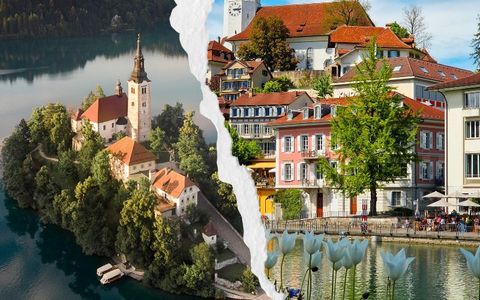
Travelers planning European mountain trips often narrow it down to two very different options: the quieter charm of Slovenia—sometimes included in Croatia and Slovenia combo tours—or the polished drama of Switzerland, often featured in classic Swiss Alps vacation packages.
On paper, both promise alpine lakes, snow-capped peaks, wooden chalets, and clean air. In reality, they feel completely different once you’re standing there with hiking boots on and a weather forecast open on your phone.
I’ve spent time hiking, driving, and slowing down in both. Here’s how they truly compare.
First Impressions: Intimate vs Grand
Slovenia feels approachable.
You land in Ljubljana, drive less than an hour, and you’re staring at the Julian Alps. The scale isn’t overwhelming. The roads are short. Villages are small and personal.
Then there’s Switzerland.
Everything is bigger. Sharper. More engineered. The train glides into Interlaken, and suddenly the peaks feel vertical in a way that demands attention. It’s cinematic. Sometimes almost too perfect.
If you want intimacy and ease, Slovenia.
If you want scale and spectacle, Switzerland.
Mountain Landscapes: Soft Drama vs High Drama
Slovenia’s alpine heart is Triglav National Park. Emerald rivers. Pine forests. Limestone peaks. Lakes that look filtered but aren’t.
Most people know Lake Bled, with its island church and castle viewpoint. It’s beautiful, yes. But many travelers stop there and miss the wilder corners near Lake Bohinj. That’s where it gets quieter and more rugged.
Switzerland’s Alps are another level of scale. Think Matterhorn rising above Zermatt. Or the glacier views around Jungfrau. The peaks are higher. The glaciers are bigger. The infrastructure climbs right into the mountains.
In Slovenia, you feel like you’ve discovered something.
In Switzerland, you feel like you’ve arrived somewhere iconic.
Neither is better. It depends on how much drama you want in your skyline.
Hiking Experience: Raw Trails vs Engineered Access
Hiking is where the difference becomes practical.
In Slovenia, trails are well marked but still feel natural. You’re often walking through forest or meadow before reaching exposed rock. Huts are simpler. Fewer cable cars. More effort required.
I once hiked above Lake Bohinj on a warm September afternoon. I saw maybe five other hikers. We nodded. That was it. Quiet. No queues.
In Switzerland, access is astonishing. Cable cars, cogwheel trains, panoramic platforms. You can reach high altitudes without committing to a full-day trek.
But this is where trips often go wrong: people assume Swiss trails are easy because access is smooth. Weather changes quickly. Altitude still matters. Just because you took a train up doesn’t mean you skip preparation.
If you want independence and less structure, Slovenia feels more authentic.
If you want variety and altitude without full physical strain, Switzerland delivers.
Cost: Noticeable Difference
Let’s be honest.
Switzerland is expensive. Accommodation, food, transport—it adds up fast. A simple lunch in a mountain village can cost what a full dinner might in Slovenia.
Slovenia is significantly more affordable. Not cheap-cheap, but manageable. You can enjoy alpine scenery without calculating every coffee.
If budget matters—and for most of us it does—Slovenia gives more breathing room.
Swiss Alps vacation packages often bundle transport and experiences for this reason. It simplifies planning and controls surprise expenses.
Transport & Ease
Switzerland wins for transport efficiency. Trains are punctual to the minute. Connections are seamless. You can base yourself in one town and explore widely without renting a car.
Slovenia is easier with a car. Public transport exists, but schedules are lighter, especially in rural areas.
Driving in Slovenia is relaxed. Distances are short. In Switzerland, driving is smooth but parking in alpine towns can be tight and expensive.
If you want frictionless public transport, Switzerland feels unbeatable.
If you enjoy scenic road trips at your own pace, Slovenia works beautifully.
Atmosphere & Culture
Slovenia feels local. You’ll hear Slovenian spoken more than English once you step outside the main spots. Family-run guesthouses are common. The vibe is warm but understated.
Switzerland feels international. Multiple languages. Highly professional service. Polished hotels and precise systems.
Neither lacks charm. But Slovenia feels like a hidden corner of the Alps. Switzerland feels like the flagship.
Crowds & Seasonality
Switzerland’s famous areas—Zermatt, Jungfrau, Lucerne—attract global tourism. Even in shoulder season, you won’t be alone.
Slovenia sees far fewer international crowds. Lake Bled can be busy midday, but venture outward and you’ll quickly find space.
In high summer, both countries are pleasant. But Slovenia feels less pressured overall.
Food & Evenings
Swiss mountain towns wind down early. Dinners are refined but expensive. Evenings are quiet.
Slovenian alpine towns feel relaxed and casual. Local wines. Hearty dishes. Conversations linger.
I’ve had simpler but more memorable meals in Slovenia. Not because the food was objectively better, but because the setting felt less formal.
Ideal Trip Length
Slovenia’s alpine region can be covered meaningfully in 4–5 days. Distances are short.
Switzerland rewards longer stays. There’s simply more range—Bernese Oberland, Zermatt, Engadin, Lucerne region. You could spend two weeks and still miss sections.
If time is limited, Slovenia offers compact satisfaction.
My Honest Take
If you’ve never seen serious alpine scenery before and want the full “wow” factor, Switzerland will likely impress more dramatically.
If you’ve already visited major mountain destinations and want something quieter, more personal, and easier on your wallet, Slovenia may surprise you in the best way.
Personally, I return to Slovenia more often. It feels manageable. Grounded. Less performance, more experience.
But when I want to stand in front of something enormous and feel small, Switzerland wins.
Conclusion: Slovenia vs Switzerland — Which Should You Choose?
Choose Slovenia if you want:
- Intimate alpine scenery
- Fewer crowds
- Lower costs
- A relaxed, local atmosphere
- Easy combination with neighboring Croatia
Choose Switzerland if you want:
- Iconic high peaks and glaciers
- Seamless public transport
- Polished mountain infrastructure
- A broader range of alpine regions
If you’re planning Croatia and Slovenia combo tours, Slovenia’s Alps fit naturally into a wider regional itinerary. If your focus is purely high-altitude drama and iconic views, Swiss Alps vacation packages often simplify a more complex landscape.
Think about your priorities: scale or intimacy, polish or simplicity, spectacle or subtlety.
Both deliver clean air and mountain silence. They just deliver it differently.
FAQs: Slovenia vs Switzerland for Alpine Travel
1. Is Slovenia’s scenery comparable to Switzerland?
Yes, but on a smaller scale. Peaks are lower and less glaciated, but landscapes are still stunning.
2. Which is better for beginner hikers?
Both work well. Switzerland offers easier high-altitude access; Slovenia offers quieter, moderate trails.
3. Is Switzerland worth the higher cost?
If iconic peaks and flawless infrastructure matter to you, yes. Otherwise, Slovenia offers strong value.
4. Can I visit Slovenia without renting a car?
Possible, but less flexible. A car improves access to alpine areas.
5. Which country is less crowded?
Slovenia, especially outside Lake Bled.
6. When is the best time to visit?
June to September for hiking. Winter for skiing in both countries.
7. Can I combine both in one trip?
Yes, but distances require planning. Most travelers choose one to explore properly.
Written By:
Sara Saroshk
Hotels at your convenience
Now choose your stay according to your preference. From finding a place for your dream destination or a mere weekend getaway to business accommodations or brief stay, we have got you covered. Explore hotels as per your mood.