South Africa eVisa for Japanese Citizens
 Benjamin Cooper
28 Nov, 2025
22 mins read
257
Benjamin Cooper
28 Nov, 2025
22 mins read
257

If you are a Japanese passport holder itching for adventure from the wild safaris to vibrant city life you might be looking into the South Africa eVisa for Japan. In this guide, we walk you through everything you need to know to travel to South Africa smoothly. Whether it is submitting your e-Visa application, understanding the rules, or just picking the top spots to visit this article gives you an in-depth, traveler-friendly overview. Consider it your trusted companion on the journey from Tokyo to Cape Town.
Why Japanese Citizens Should Choose South Africa for Their Next Vacation

South Africa is a rich tapestry of cultural diversity, dramatic landscapes, and unforgettable wildlife. For Japanese travellers, it offers a dramatic contrast to what one might expect from typical Asian or European destinations. From stunning coastline drives to world-class safari experiences, the country offers a little bit of everything and often at a value that surprises many first-time visitors.
Imagine waking up to wildlife in a national park, sampling unique local cuisine, exploring art and history in Cape Town, or driving the scenic Garden Route. For Japanese citizens looking to escape the familiar and dive into a vibrant world of contrasts, South Africa stands out as an unforgettable choice.
Types of South Africa Visa Available for Japanese Travelers
Before going into details of eVisas in particular: what are the overall visa options for Japanese travellers heading to South Africa?
- Visitors Visa (Tourist/Visit Visa): For travellers who plan short-term tourism or leisure visits to South Africa. This visa lets visitors stay temporarily, typically up to 90 days.
- Business Visa / Business Permit: Suitable if the traveller plans to visit South Africa for business-related purposes (meetings, investment, business establishment, etc.).
- Study Visa (Student Visa): Intended for foreign nationals who seek to study at recognized South African institutions for more than a short visit.
- Work Visa (General Work Permit): For individuals with a job offer or employment contract in South Africa, where local labour demand justifies issuance of a work permit.
- Relatives Visa (Family / Dependent Visa): For foreigners who are immediate family members (spouse, dependent children, etc.) of South African citizens or permanent residents, planning to join them temporarily or permanently.
- Medical Treatment Visa: For travellers coming to South Africa for medical procedures or treatments that require a stay for health-care purposes.
So when you see “South Africa eVisa Types�, think of it as one among several options but for most Japanese travellers interested in tourism, it may suit best (Visitors Visa).
How to Apply South Africa eVisa for Japanese Citizens Online
If you aim to apply for South Africa eVisa online as a Japanese citizen, heres a general sense of the process you would follow (based on the standard approach described by eVisa-service providers).
- Visit the eVisa services application form and start a new application. At initial fields, nationality is often pre-selected as “Japan.�
- Fill in personal details: full name, passport details (including issue date and expiry), date of birth, gender.
- Enter travel information: planned date of arrival and departure, flight details return or onward tickets are usually required.
- Provide additional data: accommodation or travel itinerary, contact information including a valid email address.
- Submit supporting documents: In many cases this includes passport copy, sometimes bank/financial evidence, details of stay and purpose, and other requirements as per South Africa eVisa application guidelines.
- Select a processing time option (normal, rush, etc.), according to your travel needs.
- Submit the application and wait for notification via email.
South Africa eVisa Requirements for Japanese Citizens
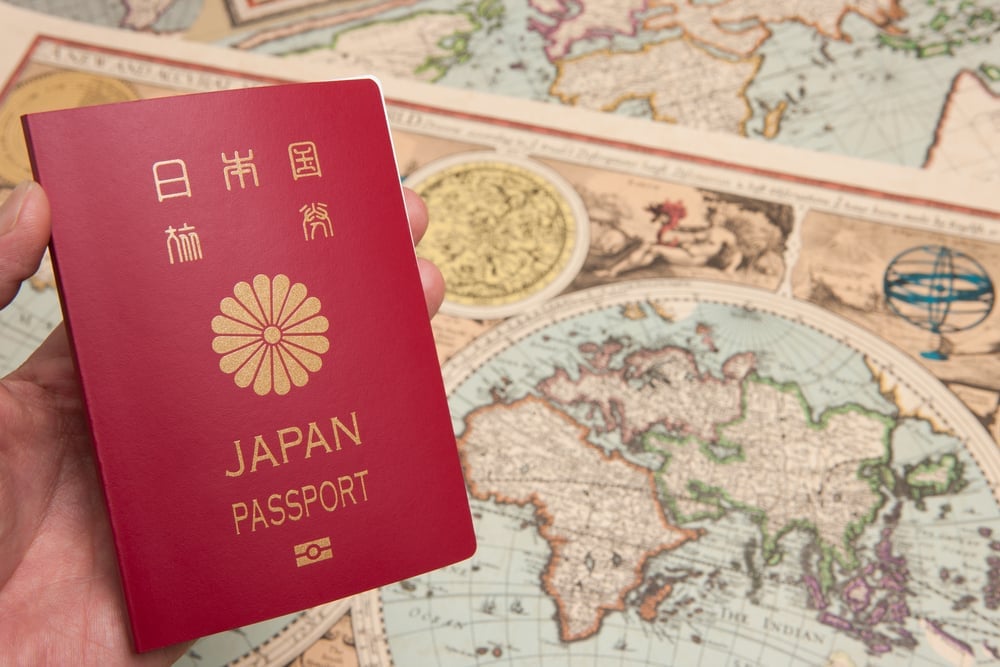
If you attempt the eVisa route (when active/accepted), here are the commonly listed requirements you should prepare. These largely align with general travel-visa expectations.
- A valid Japanese passport, with at least six months validity beyond your intended arrival, and at least one or two blank pages.
- Confirmed return or onward flight ticket.
- Travel itinerary or formal letter describing purpose of visit, planned stay duration, accommodation details or booking confirmations.
- Evidence of ability to support yourself financially during your stay e.g., a recent bank statement.
- If arriving via or from certain countries with health risks (e.g., yellow fever zones), a vaccination certificate (yellow-fever) may be mandatory.
- A valid email address to receive eVisa approval and travel-document linkage.
All these form part of the broader requirements when applying for a visa (or eVisa) to South Africa.
South Africa eVisa Processing Time for Japanese Tourists

- The standard processing time for a South Africa eVisa submitted through sa-evisa.com typically falls within 30–35 working days, depending on the completeness of your documents and seasonal volume.
- Travellers from Japan can choose between Normal, Rush, and Super-Rush processing options when submitting their application faster options shorten the waiting period but require a higher service tier.
- Processing times are calculated in business days, meaning weekends and public holidays are not counted, so travellers should expect a full calendar month or longer before receiving an approved eVisa.
- Japanese visitors are strongly advised to apply 6–8 weeks before travel, giving enough room for verification, document resubmission (if requested), and unexpected delays.
- Submitting accurate details passport information, travel plans, proof of accommodation, and supporting documents helps avoid delays or rejections during the review stage.
South Africa eVisa Validity and Stay Duration for Japanese Travelers
Based on visa-entry rules for Japanese citizens, a short-term tourist stay of up to 90 days seems to be allowed without a formal visa in many cases.
That said, if you obtain an eVisa (or would, when the service resumes), you should check for validity and permitted stay duration carefully before booking flights. The standard expectation generally aligns with the allowance for tourist stays up to 90 days.
Common Application Mistakes Japanese Travelers Should Avoid
When applying for a South Africa eVisa (or deciding if you need one), Japanese travellers often make some common mistakes. Being aware of them helps ensure a smooth journey:
- Using a passport that does not meet validity requirements if your passport will expire too soon, entry may be denied.
- Not having a return or onward flight arriving without a confirmed departure creates suspicion.
- Incomplete travel or accommodation details in your application vague or missing bookings may cause delays or rejection.
- Ignoring health/vaccination requirements if you arrive from a yellow-fever risk zone without a proper certificate, you could face denial.
- Assuming eVisa is always available as of now, new eVisa registrations are reportedly suspended. Trying to apply anyway may lead to frustration or wasted effort.
- Relying solely on payment or partial submission if the form is incomplete or documents missing, application may get canceled.
Pay attention to these and double-check everything before you hit submit.
How Japanese Citizens Can Track Their South Africa eVisa Status
If you manage to apply for the South Africa eVisa, typically you will receive a temporary application ID that lets you resume or track your application status.
Make sure you keep that ID safe. Also use the email address you provided to check for updates. Be prepared to respond if additional documents or clarifications are requested.
Given that the application system is currently experiencing a temporary suspension for new applications, tracking might not be available so make sure to note any official communications, and if possible opt for embassy/consulate application instead.
Why Visa Agents Offer Better Support Than Government Sites for Japanese Travelers
One reason many travellers including Japanese travellers prefer using visa-agent services (sa-evisa-com) rather than relying solely on government or consular channels is convenience and support. Based on whats shared publicly:
- Visa-agent platforms often streamline document collection, helping ensure all required materials (passport copy, return ticket, accommodation, financial proof) are submitted correctly.
- They may offer different processing speeds (normal, rush, super-rush), which can be handy if you are in a time crunch.
- Especially when official systems like the eVisa registration portal face suspensions or delays, agents can guide travellers through alternatives, such as applying directly via embassies or consulates.
- For many travellers not familiar with South African travel requirements or used to Japanese travel norms, agents help prevent common mistakes, reducing risk of rejection.
That said, always choose agents with transparent credentials, and avoid shady or unclear “offers.�
South Africa Airport Arrival Guide for Travelers from Japan
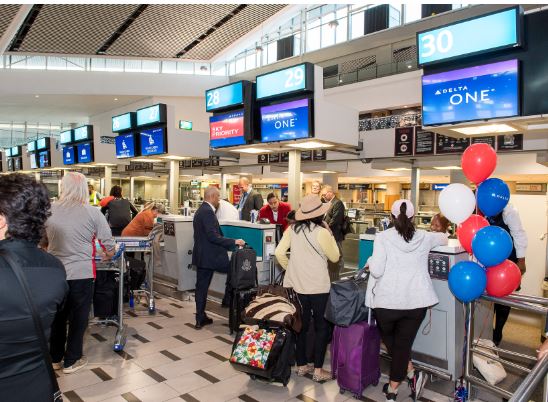
Assuming you have valid travel documents (passport, return ticket, visa/eVisa or eligible visa-free status), heres what to expect when you land in South Africa:
- At arrival, present your passport ensure it is valid, with blank pages for stamping.
- If required, present proof of return/onward travel and your planned address or accommodation during stay.
- If coming from or via a yellow-fever risk country, carry a valid yellow-fever vaccination certificate.
- Be ready to declare any items (valuables, restricted goods) according to customs rules; South Africa, like any other country, may have regulations for certain imports or possessions.
- Ensure you have adequate means to support yourself though proof is not always asked at arrival, having a copy of your bank statement or confirmed bookings can save trouble.
Once through immigration, you are free to explore but as a first-time visitor, it helps to have arrival logistics (transport, local sim / eSIM, insurance) sorted in advance.
Top Destinations in South Africa Popular with Japanese Visitors

If it is your first time in South Africa, here are some spots you might not want to miss (and that often appeal to Japanese travellers):
- Cape Town: coastal beauty, Table Mountain, vibrant food and art scenes, multicultural atmosphere.
- Kruger National Park & Safari Regions: iconic African wildlife, safari experiences and nature immersion.
- Garden Route: scenic drives, coastal towns, beaches, and relaxed vibe ideal for a road-trip.
- Winelands (e.g. Stellenbosch, Franschhoek): picturesque vineyards and wineries, perfect for wine lovers and cultural exploration.
- Offshore adventures: coastline, beaches, diving spots, and marine wildlife offering contrast with typical East-Asia travel experiences.
For Japanese travellers used to precision and planning, South Africas diversity from wilderness to cosmopolitan cities offers a refreshing, invigorating change.
eSIM Data Packages for Japanese Tourists Visiting South Africa
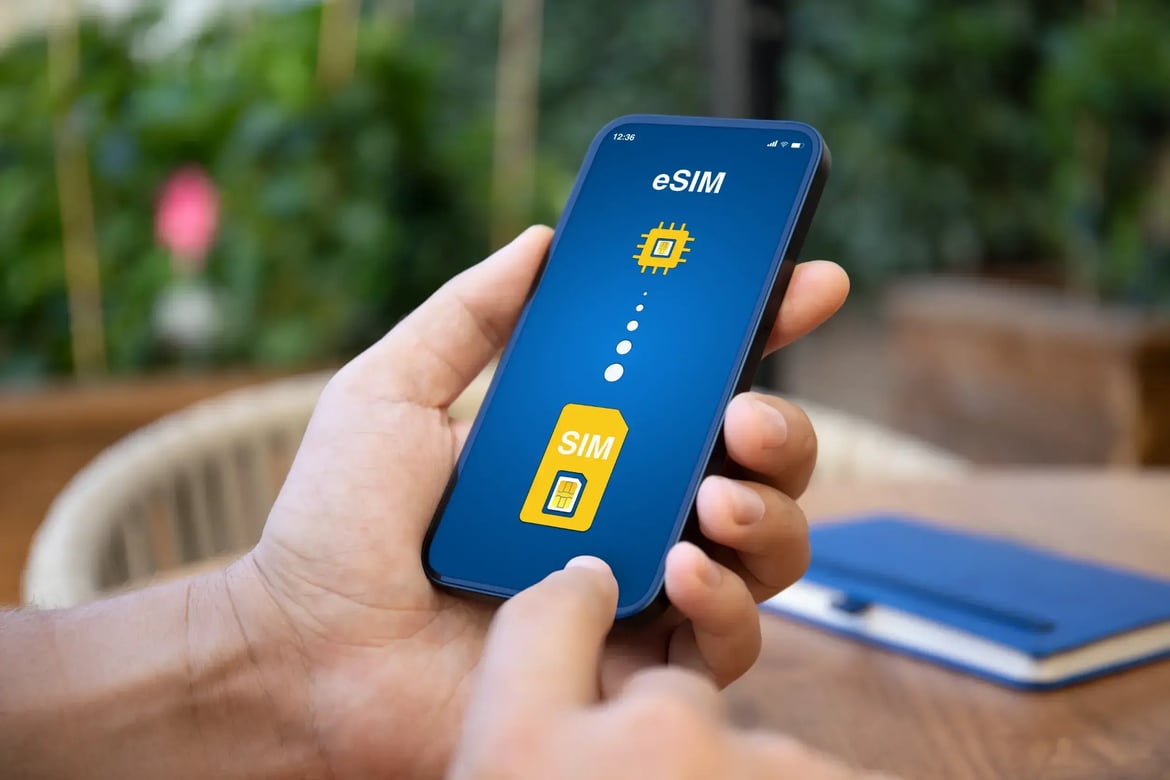
Staying connected is vital especially when travelling far from home. Many travellers prefer local or travel eSIM packages to avoid roaming charges and enjoy local connectivity. While t heres no universal “Japanese-tourist eSIM� for South Africa, you can:
- Purchase a local data SIM / eSIM when you arrive (or even pre-order online).
- Ensure that your device supports appropriate bands/frequencies for South Africa (or get a dual-SIM phone).
- Consider moderate data usage if you plan to roam across cities or rural areas (safaris, nature regions may have limited network).
- Keep your home number active (e.g., via Wi-Fi-based call apps) for emergencies or family contact back in Japan.
Having stable data access makes navigating new cities, booking rides, checking travel updates, and staying in touch far easier and adds a layer of security and convenience.
Insurance Requirements for Japanese Citizens Visiting South Africa
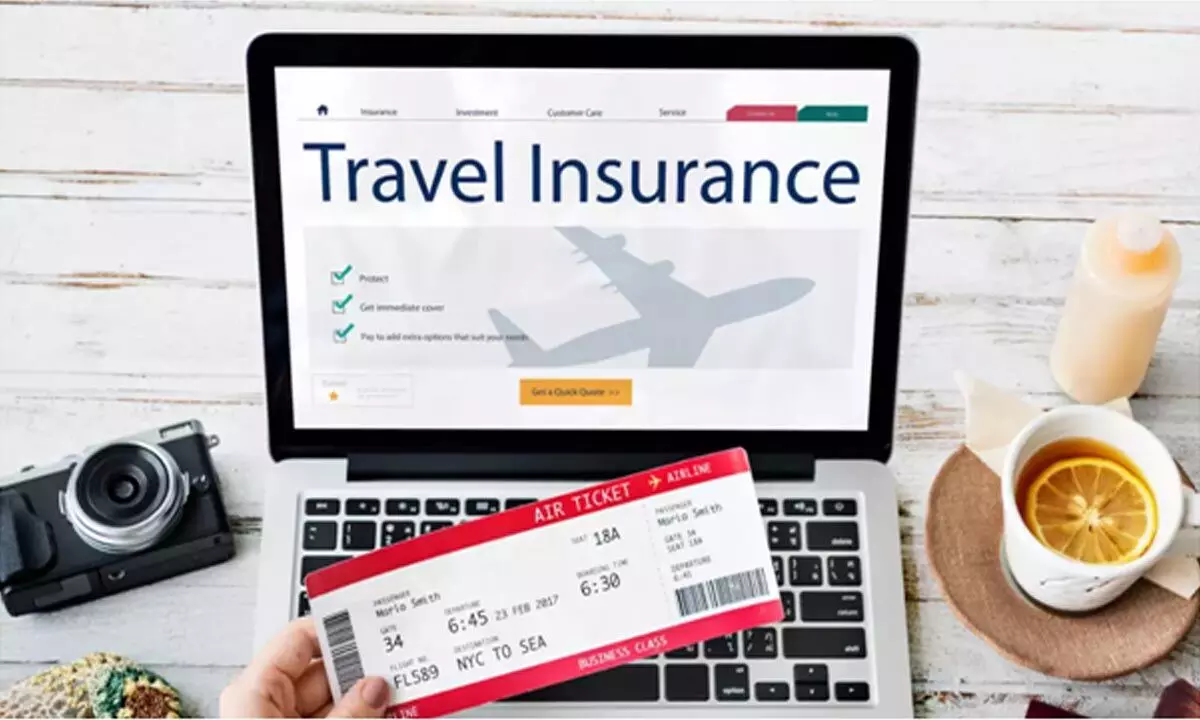
While it might not be strictly mandatory to present travel insurance upon arrival, having travel insurance is strongly recommended when travelling to South Africa. As a visitor from Japan, you may not be familiar with local health-care systems, and access can be costly.
- Opt for comprehensive travel health insurance covering emergency treatment, hospitalization, potential evacuation, and repatriation.
- Cover for theft, loss or damage of belongings may also be worthwhile especially if you carry valuable gear, camera, or electronics.
- Ensure your insurance covers activities you plan such as safari tours, coastal excursions, or adventure sports.
- Carry copies of the insurance documents (digital and printed) during your travel, in case you need them at check-in, customs, or local bookings.
Better safe than sorry travel insurance adds peace of mind, especially when travelling far from home.
South Africa eVisa Extension Options for Japanese Tourists
If you fall in love with South Africa (and many travellers do), you might wonder if you can extend your stay beyond the initial period. Whether on visa-free entry or with an eVisa/visa, extensions are possible but require appropriate application.
For longer stays, different visa categories (visitor visa, extended stay visa) come into play. To apply for extension (or a longer visitor visa), you may need to visit a local immigration or consular office, submit required documents (passport copy, proof of stay reason, financial eligibility, accommodation, etc.), and meet conditions specified by the authorities.
Extensions are not guaranteed and depend on purpose, documentation, and compliance with local law so plan ahead if you think you might want to stay longer.
Safety Tips for Japanese Tourists Traveling to South Africa

South Africa is beautiful but like many international destinations, it also requires travellers to stay alert and prepared. Here are some practical safety tips for Japanese travellers:
- Avoid flaunting valuables (expensive jewelry, cameras, gadgets) publicly, especially in crowded or unfamiliar places.
- Use reliable transport pre-booked taxi or licensed ride services rather than unverified rides.
- Stay informed about local conditions in some areas, avoid traveling after dark or alone.
- Keep copies (digital and physical) of your passport, travel documents, insurance, and emergency contacts.
- When heading on safari or into nature reserves, follow guidelines strictly, heed advice of guides, and beware of wildlife safety comes first.
- Maintain travel insurance with emergency medical coverage access to health services can be limited or expensive.
Respect local customs and cultures, be aware of your surroundings, and treat your travel as both adventure and responsibility.
Final Thoughts
The idea of experiencing South Africa with its vast landscapes, vibrant culture, and wild beauty is exciting. For Japanese citizens, “South Africa eVisa for Japan� may sound like the easiest path. But at this moment, with the eVisa registration reportedly suspended, it is wise to check your actual eligibility, be prepared for alternatives, and stay flexible.
Even without an eVisa, many Japanese travellers enjoy visa-free entry for tourism up to 90 days giving ample opportunity to soak in the best of the country. If you plan carefully, sort your documents, and stay aware, your journey from Japan to South Africa could turn into one of your most memorable trips.
FAQs: South Africa eVisa for Japanese Citizens
Q1: Do Japanese passport holders need a South Africa visa for a short tourist visit?
A: In many cases, no. Japanese citizens are often eligible for visa-free entry for short stays (up to 90 days) for tourism.
Q2: Is the South Africa eVisa currently available for Japanese citizens?
A: As per the latest public notice, registration of new eVisa applications is temporarily suspended.
Q3: What documents are typically required for South Africa eVisa (or visa-free entry)?
A: Valid Japanese passport (with sufficient validity and blank pages), return or onward flight ticket, proof of accommodation or travel itinerary, evidence of financial means, and if entering through or from yellow-fever region, a vaccination certificate.
Q4: Can I extend my stay in South Africa if I decide to stay longer than 90 days?
A: Yes by applying for a visa extension or longer-stay visitor visa through local immigration or consular services.
Q5: What should I do if I want to apply but eVisa service is suspended?
A: Consider applying via the nearest South African embassy or consulate, following their visitor-visa application procedures.
Written By:
Benjamin Cooper

Hotels at your convenience
Now choose your stay according to your preference. From finding a place for your dream destination or a mere weekend getaway to business accommodations or brief stay, we have got you covered. Explore hotels as per your mood.