Spot the Elusive Cats: Your Ultimate Guide to Jhalana Leopard Safari
 Palakshi Meharwal
09 Sep, 2025
8 mins read
69
Palakshi Meharwal
09 Sep, 2025
8 mins read
69
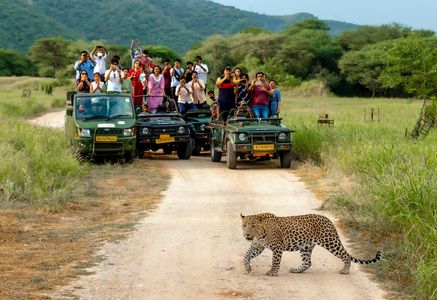
Tucked away in the bustling city of Jaipur lies a wilderness that often surprises first-time visitors—the Jhalana Leopard Safari. Spread over 20 square kilometers, this protected reserve is one of India’s most reliable places to spot leopards in their natural habitat. Unlike many national parks where leopards remain shy and difficult to observe, Jhalana’s unique ecosystem and controlled tourism model make it a premier destination for wildlife enthusiasts seeking to encounter these elusive cats.
Why Jhalana Leopard Safari is Special
Leopards are known for their adaptability, often living close to human settlements yet rarely being seen. What makes Jhalana exceptional is the relatively high density of leopards in a compact area. Current estimates suggest that over 30 leopards, including cubs, roam within this reserve. This increases the likelihood of sightings during a safari, setting it apart from larger sanctuaries where animals are harder to track.
Beyond leopards, Jhalana is home to a variety of other species, such as striped hyenas, desert foxes, jackals, jungle cats, and a wide range of birdlife. For birdwatchers, the reserve provides sightings of species like Indian pittas, peafowls, and spotted owlets, making the safari equally rewarding for those with broader wildlife interests.
Best Time to Visit Jhalana
The safari is open year-round, but the experience varies with the seasons:
- Summer (April–June): The dry landscape improves visibility, making it easier to spot leopards resting in the shade or near waterholes.
- Monsoon (July–September): The reserve turns lush and green, offering a scenic experience, although animals may be harder to spot due to dense vegetation.
- Winter (October–March): Pleasant weather draws more visitors, and animals are often active in the cooler hours of the day. This is also the best time for birdwatching.
For photography enthusiasts, early morning safaris are highly recommended, as the soft light enhances both landscapes and wildlife captures.
Safari Timings and Booking Information
Jhalana Leopard Safari operates in two slots daily: morning (6:00 am – 9:00 am) and afternoon (3:00 pm – 6:00 pm), though timings may slightly shift with seasonal changes. Safaris are conducted in open jeeps, guided by experienced naturalists who are familiar with the leopards’ territories and behavioral patterns.
Booking can be made online through Rajasthan’s official forest department website or via authorized tour operators. To avoid last-minute disappointments, it’s advisable to secure your permits in advance, especially during weekends and holiday seasons when demand is high.
What to Expect on the Safari
While leopard sightings are the highlight, the safari offers much more. The rugged Aravalli hills provide a striking backdrop, with ancient temples and forest trails adding cultural depth to the experience. Guides often share fascinating anecdotes about individual leopards, some of which have become local legends for their unique behaviors or territorial dominance.
Safari groups are typically small, allowing for an intimate and less intrusive experience. Patience, however, is key. Leopards may be spotted lounging on rocky outcrops, crossing dirt tracks, or stealthily moving through the undergrowth. The thrill lies in the unpredictability of the encounter.
Responsible Tourism at Jhalana
As with any wildlife reserve, responsible behavior ensures both visitor safety and animal welfare. Here are a few essential tips:
- Maintain silence to avoid disturbing wildlife.
- Do not attempt to feed or provoke animals.
- Carry reusable water bottles instead of plastic to minimize waste.
- Follow the guide’s instructions at all times.
Supporting eco-friendly practices contributes to the sustainability of the safari, ensuring future generations can enjoy the same thrilling encounters.
Tips for Visitors
- Camera Gear: A zoom lens is invaluable for wildlife photography, given that leopards may keep their distance.
- Clothing: Neutral-colored attire helps you blend into the environment. Winters can be chilly, so layering is recommended.
- Health & Safety: Carry sunscreen, hats, and insect repellent. Since the safari takes place in open jeeps, protection from the elements is essential.
Where to Stay
Given its proximity to Jaipur, visitors have a wide range of accommodation options, from luxury hotels to budget stays. Some eco-lodges and boutique resorts near the reserve cater specifically to wildlife tourists, offering packages that include safari bookings and guided nature walks.
Conclusion
Jhalana Leopard Safari is not just about spotting leopards—it’s about immersing yourself in the raw beauty of nature just minutes away from a historic city. Whether you’re a seasoned wildlife traveler or a first-time visitor, the experience promises a perfect blend of adventure, photography opportunities, and conservation awareness.
If you’re planning a trip to Jaipur, make sure to carve out time for this unforgettable safari. The thrill of seeing a leopard in its natural habitat is an experience you’ll carry with you long after you’ve left the reserve.
Written By:
Palakshi Meharwal

Hotels at your convenience
Now choose your stay according to your preference. From finding a place for your dream destination or a mere weekend getaway to business accommodations or brief stay, we have got you covered. Explore hotels as per your mood.