Spotted in Jaipur: The Untamed Beauty of Jhalana Leopard Safari
 Palakshi Meharwal
16 Aug, 2025
12 mins read
70
Palakshi Meharwal
16 Aug, 2025
12 mins read
70
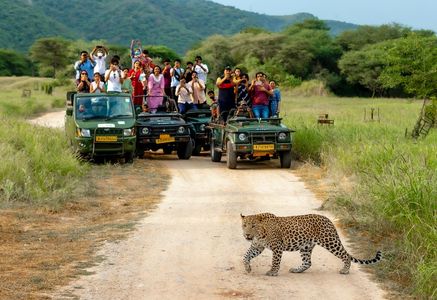
If Jaipur is the Pink City’s architectural showpiece, Jhalana is its wild, whiskered heartbeat. Tucked into the Aravalli foothills on the city’s eastern edge, the Jhalana Leopard Safari offers one of India’s most accessible big-cat encounters—often within 20–30 minutes of leaving your hotel. Here, leopards are not a rumor or a rare miracle; they’re resident stars in a compact Jhalana Leopard Reserve where rocky outcrops, scrub forests, and ancient kikar trees create perfect camouflage. Whether you’re a first-time wildlife enthusiast or a seasoned photographer chasing golden light, this urban wilderness rewires how you think about Rajasthan wildlife safari experiences.
What Makes Jhalana Special
Jhalana’s magic lies in its intimacy. The reserve spreads over modest terrain by national-park standards, yet supports a healthy leopard population along with striped hyenas, jungle cats, foxes, nilgai, sambar, and hundreds of bird species. That scale, plus safari discipline and experienced trackers, boosts chances of leopard sighting in Jaipur without the long transfers and multi-day commitments typical of larger parks. For short trips, business stopovers, and Jaipur holidays, Jhalana is an ideal Jaipur weekend getaway.
Quick facts at a glance
- Location: 8–12 km from central Jaipur (how to reach Jhalana: quick cab/auto from most hotels)
- Habitat: Aravalli scrub forest with rocky hills and seasonal waterholes (flora and fauna of Aravalli)
- Star species: Leopard; also hyena, jackal, jungle cat, civet, porcupine, and diverse raptors
Best Time to Visit
While Jhalana is open most of the year, the best time to visit Jhalana is the cooler, drier window from October to March. Clear light and thinner foliage aid sightings and photography. April–June brings heat but excellent visibility as brush thins; cats often rest near waterholes, improving tracking. Monsoon (July–September) paints the reserve emerald, with dramatic skies and birdlife, though dense foliage can make leopards trickier to spot. Dawn and late-afternoon Jaipur safari timings are prime; golden hours reward both patience and lenses.
Booking Your Safari (and Doing It Right)
Demand is high and slots are limited, so aim for Jhalana Leopard Safari booking at least a few days in advance—more during peak season and long weekends. Official portals and vetted operators handle Jhalana safari online booking, including government fees and guide/vehicle charges. A standard jeep safari Jaipur outing typically lasts 2.5–3 hours with a trained driver-naturalist.
- Safari price Jaipur: Costs vary by season and nationality; packages may include hotel transfers. Always confirm inclusions (guide, camera fees, pickup).
- Entry & gates: Safaris begin at designated Jhalana leopard reserve entry gate points; arrive 20–30 minutes early for ID checks and briefings.
- Group size: Open 4x4s seat 6 (approx.); smaller groups feel quieter and more flexible.
What a Typical Drive Feels Like
You roll in as the sun melts over the Aravallis, tires crunching dust, peafowl calling from the scrub. Your naturalist scans tracks at chowk points, reads the alarm calls of langurs and spotted deer, and listens for the hush that falls when a predator moves. Leopards may be draped over boulders, ghosting along a ridge, or melting into lantana thickets. Either way, your best bet is patience and silence. Jhalana’s compact routes mean you’re rarely far from action, yet every sighting is earned—the true charm of a wildlife safari in Jaipur.
Photography Tips for Big-Cat Magic
- Go early, stay late: The soft edges of dawn and dusk flatter both cats and landscapes (photography tips Jaipur safari).
- Shutter speed first: For a moving leopard, start near 1/1000s; bump ISO as light fades.
- Shoot wide and tight: Carry both a telephoto (300–600mm) and a mid-range zoom (24–105mm) for habitat portraits and behavior shots.
- Respect distance: Great frames come to you when you wait; avoid crowding, flash, or playback sounds.
- Storytelling: Capture tracks, alarm-calling deer, and guide–guest moments to build a narrative beyond the hero shot.
Beyond Leopards: Birds, Hyenas, and Aravalli Stories
Birders love Jhalana. Expect shikras, crested serpent eagles, Indian rollers, green bee-eaters, parakeets, and winter migrants. Predawn drives might cross paths with striped hyenas returning to dens or desert foxes working the scrub. The Jhalana forest reserve also tells a geological tale: weathered quartzite ridges, shallow soils, and drought-tough species like dhok and babool. After rains, the forest erupts in fresh greens, butterflies, and flower flushes—another angle for eco-tourism in Rajasthan.
Responsible Safari: How to Be a Good Guest
- Follow rules: Speed limits, silence near sightings, no littering (safari rules Jaipur).
- No baiting or off-roading: It stresses wildlife and damages the fragile scrub.
- Dress earth-toned: Avoid bright colors that draw attention.
- Support conservation: Choose ethical operators who invest in guides, habitat, and leopard conservation in Jaipur initiatives.
- Tip fairly: Guides and drivers are the soul of your experience.
Practical Tips & What to Pack
- Clothing: Layers for winter mornings; light, breathable fabrics for summer. A cap and a scarf help with dust.
- Footwear: Closed shoes for comfort and stability.
- Essentials: Sunglasses, SPF, insect repellent, reusable water bottle, a small daypack.
- Gear: Binoculars (8x or 10x) upgrade every sighting—even if you’re not a birder.
- Health & safety tips: Keep limbs inside the vehicle, avoid standing abruptly, and secure camera straps. Follow your guide’s instructions at all times.
How to Reach Jhalana
From central Jaipur or the airport, it’s a short ride to the reserve. Taxis and app cabs are reliable; some operators include transfers in safari packages. If you’re self-driving, allow buffer time for city traffic. This proximity is why Jhalana slides seamlessly into broader things to do in Jaipur—you can tour palaces by day and chase leopard silhouettes by evening.
Suggested One-Day Itinerary
Morning
- Early Jhalana Leopard Safari (sunrise slot)
- Breakfast back at the hotel or a nearby café
- Short rest
Afternoon
- Visit Hawa Mahal or the City Palace; lunch in the old city
- Head to the reserve for the evening safari in Jaipur session
Evening
- Post-safari dinner with local specialties—laal maas, ker sangri—while you relive the day’s sightings
Booking Checklist (Save This!)
- Preferred date & slot (morning/evening)
- Valid ID for all travelers
- Confirmed Jhalana Leopard Safari booking with operator or portal
- Camera permits (if applicable)
- Pickup point, guide name, and 24/7 contact
- Cash or digital wallet for tips and snacks
Final Word: Why Jhalana Belongs on Your Jaipur List
Jhalana distills the thrill of Indian wildlife into a half-day adventure that never feels diluted. You’re close to the city yet steeped in wildness; the terrain is small but full of surprises. Arrive with curiosity, listen to your naturalist, let the Aravalli winds carry the peafowl’s calls—and keep your lens ready. In this urban jungle of Jaipur, the leopard is both legend and neighbor, and every bend in the track can flip a quiet drive into a heart-thudding encounter.
Written By:
Palakshi Meharwal

Hotels at your convenience
Now choose your stay according to your preference. From finding a place for your dream destination or a mere weekend getaway to business accommodations or brief stay, we have got you covered. Explore hotels as per your mood.