Spotting the Spotted: A Complete Guide to Jhalana Leopard Safari
 Palakshi Meharwal
26 Sep, 2025
9 mins read
49
Palakshi Meharwal
26 Sep, 2025
9 mins read
49
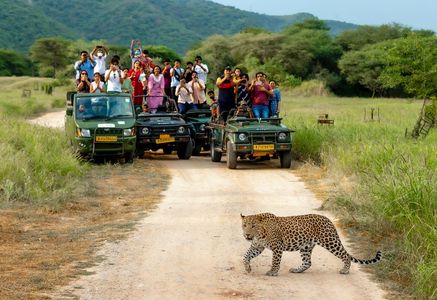
Nestled on the outskirts of Jaipur, the Jhalana Leopard Safari has become one of India’s most talked-about wildlife experiences. Known as the “Leopard Capital of India,†Jhalana offers nature lovers and adventure seekers the rare opportunity to witness leopards thriving in their natural habitat, just a short drive from a bustling city. Beyond leopards, this eco-tourism hotspot is home to a variety of flora and fauna that make it a truly enriching experience for wildlife enthusiasts.
In this guide, we’ll take you through everything you need to know about the Jhalana Leopard Safari—from its history and biodiversity to safari timings, ticket details, and tips for making the most of your visit.
Why Jhalana is Famous for Leopards
Jhalana Safari Park spans over 20 square kilometers of protected forest and is home to more than 35 leopards, including several cubs. Unlike in larger reserves such as Ranthambore or Sariska, the chances of spotting a leopard here are considerably higher due to the park’s compact size and dense leopard population.
Leopards, being solitary and elusive animals, are often difficult to spot elsewhere. However, in Jhalana, they have adapted to living near human settlements and can be seen more frequently—lounging on rocky outcrops, crossing jeep tracks, or stealthily moving through the undergrowth. This makes the park a paradise for wildlife photographers and first-time safari-goers alike.
Other Wildlife You Can Encounter
While leopards are undoubtedly the star attraction, Jhalana offers much more. Visitors may also encounter:
- Hyenas – often seen scavenging in the forest.
- Blue Bulls (Nilgai) – the largest Asian antelope, grazing in open fields.
- Spotted Deer & Sambar Deer – common prey species that support the leopard population.
- Jungle Cats and Desert Foxes – small carnivores adding to the park’s diversity.
- Birds – Over 150 species, including Indian Pittas, Peacocks, Owls, and Raptors, make Jhalana a birdwatcher’s haven.
The varied ecosystem makes every safari unique, ensuring there’s always something new to witness.
Best Time to Visit Jhalana Safari
Jhalana is open year-round, but your experience may differ depending on the season:
- Winter (October – March): Pleasant weather, making morning safaris particularly enjoyable. Migratory birds also arrive during this season.
- Summer (April – June): Though hot, leopards are easier to spot near waterholes. Photography enthusiasts often prefer this season for clearer lighting conditions.
- Monsoon (July – September): The park transforms into a lush green landscape, though spotting leopards can become more challenging due to dense foliage.
Safari Timings and Tickets
The Jhalana Leopard Safari typically operates two slots per day:
- Morning Safari: Around 6:00 AM – 9:00 AM
- Evening Safari: Around 3:30 PM – 6:30 PM
Exact timings may vary slightly depending on sunrise and sunset.
It’s advisable to book your tickets in advance through the Rajasthan Forest Department’s official website or authorized agents, as slots are limited.
How to Reach Jhalana Leopard Safari
One of Jhalana’s biggest advantages is its location. The park is just 7–8 kilometers from Jaipur city center and about 15 kilometers from Jaipur International Airport. Tourists can easily hire a cab, auto-rickshaw, or even book a guided tour that includes pick-up and drop services.
Tips for an Unforgettable Safari Experience
- Book in Advance – Slots fill up quickly, especially during weekends and tourist season.
- Dress Comfortably – Neutral-colored clothing helps you blend into the surroundings.
- Carry Essentials – Binoculars, a good camera, water, and sunscreen.
- Stay Quiet – Loud noises may scare away wildlife.
- Trust Your Guide – Naturalists know the leopards’ favorite spots and increase your chances of a sighting.
Responsible Tourism at Jhalana
As more tourists visit Jhalana, it’s important to balance tourism with conservation. Visitors are encouraged to:
- Avoid littering inside the park.
- Respect wildlife by not disturbing animals or feeding them.
- Support local conservation initiatives and guides who contribute to eco-tourism.
By practicing responsible travel, you not only enrich your own experience but also help preserve this fragile ecosystem for future generations.
Conclusion
The Jhalana Leopard Safari is more than just a wildlife excursion—it’s a chance to step into a hidden wilderness right beside a vibrant city. Whether you’re a wildlife photographer hoping for that perfect leopard shot or a family seeking a memorable outdoor adventure, Jhalana promises an unforgettable experience. With high leopard sighting rates, diverse fauna, and easy accessibility, it’s no wonder this safari is becoming one of Rajasthan’s must-visit attractions.
So, next time you’re in Jaipur, don’t just explore the forts and palaces—venture into Jhalana’s wild side and experience the thrill of spotting the spotted.
Written By:
Palakshi Meharwal

Hotels at your convenience
Now choose your stay according to your preference. From finding a place for your dream destination or a mere weekend getaway to business accommodations or brief stay, we have got you covered. Explore hotels as per your mood.