Spotting the Spotted: An Unforgettable Jhalana Safari Experience
 Palakshi Meharwal
17 Sep, 2025
8 mins read
52
Palakshi Meharwal
17 Sep, 2025
8 mins read
52
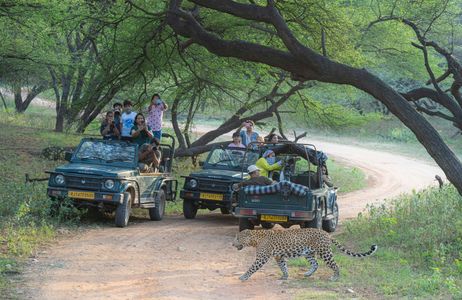
Tucked away in the heart of Jaipur, Rajasthan, the Jhalana Leopard Safari has rapidly gained recognition as one of India’s most accessible and rewarding wildlife experiences. Often overshadowed by the larger tiger reserves, this urban wilderness offers a rare opportunity to witness leopards in their natural habitat without venturing far from the Pink City. For travelers seeking adventure, photography, or simply a closer connection with nature, Jhalana provides an unforgettable journey.
A Hidden Gem in Jaipur
Unlike the sprawling reserves of Ranthambore or Sariska, Jhalana Leopard Reserve spans approximately 23 square kilometers, yet it harbors an impressive leopard population. Wildlife experts estimate that over 30 leopards roam this area, giving visitors an unusually high chance of sightings. What makes Jhalana unique is its location—just a short drive from Jaipur’s city center. This proximity allows visitors to blend cultural sightseeing with a thrilling wildlife encounter, all in a single trip.
The Star Attraction: Leopards of Jhalana
Leopards are notoriously elusive, often retreating into dense forests or rocky outcrops at the faintest sign of disturbance. However, Jhalana’s rocky terrain and scrub forests create favorable conditions for leopard spotting. Unlike national parks where predators are spread across vast landscapes, Jhalana’s compact geography increases the likelihood of encounters. Morning and evening safaris frequently reward guests with sightings of leopards basking on boulders, gracefully prowling through grasslands, or playfully interacting with cubs.
Other Wildlife You Can Expect
While leopards are the headline species, the reserve shelters a diverse range of fauna. Bird enthusiasts will find delight in spotting species such as Indian pitta, Eurasian sparrowhawk, and white-bellied drongo. The park is also home to striped hyenas, desert foxes, blue bulls (nilgai), and various species of deer. For photographers, the blend of wildlife against the dramatic backdrop of the Aravalli hills offers an irresistible canvas.
Safari Experience: What to Expect
Visitors can explore the reserve through guided jeep safaris, typically lasting around two and a half hours. Safaris are conducted in the early morning and late afternoon when wildlife activity peaks. Professional naturalists accompany groups, providing insights into animal behavior, ecological significance, and the reserve’s history.
The jeeps are open-topped, allowing for unobstructed photography and a more immersive experience. Unlike crowded safaris in larger reserves, Jhalana maintains a more intimate atmosphere, enhancing the feeling of exclusivity. It is advisable to book tickets in advance, as the number of vehicles allowed per slot is limited to reduce disturbance to wildlife.
Best Time to Visit
Though the reserve is open year-round, the best time to plan a Jhalana safari is between October and March. During this period, the weather remains pleasant, and vegetation is less dense, improving visibility. Summer months can also be rewarding, as leopards often emerge near waterholes, but temperatures can be extreme.
Conservation and Responsible Tourism
The success of Jhalana Leopard Safari highlights the importance of balancing tourism with conservation. By generating revenue and raising awareness, safaris contribute to protecting leopard habitats and supporting local communities. Visitors are encouraged to follow ethical wildlife practices—maintaining silence, avoiding littering, and respecting park regulations. Responsible tourism ensures that future generations can continue to enjoy the reserve’s natural wonders.
Planning Your Visit
- Location: Approximately 10 km from Jaipur city center.
- Safari Timings: Morning (around sunrise) and evening (around sunset).
- Duration: 2.5 to 3 hours per safari.
- Entry Permits: Can be booked online or through authorized tour operators.
- What to Carry: Binoculars, camera, water bottle, and light clothing, depending on the season.
Why Jhalana Should Be on Your Travel List
For many travelers, wildlife tourism in India often centers around tigers. While spotting the "big cat" remains an aspiration, leopards offer a distinct charm. They are agile, intelligent, and adaptable, often seen in landscapes where humans and wildlife coexist. Jhalana is a prime example of this harmony—a thriving leopard population existing on the edge of a bustling city.
The safari is not just about wildlife spotting; it’s about experiencing nature in an unexpected place. The moment you hear a peacock’s alarm call echo through the Aravallis, signaling a predator’s presence, or lock eyes with a leopard resting calmly in the shadows, you realize that Jhalana offers something rare: an intimate, unfiltered glimpse into the wild.
Final Thoughts
The Jhalana Leopard Safari redefines what it means to go on a wildlife adventure. It proves that you don’t always need to travel deep into remote jungles to witness extraordinary wildlife. With its high leopard density, accessibility, and rich biodiversity, Jhalana promises memories that linger long after the safari ends. For anyone visiting Jaipur, this experience is more than an excursion—it’s a reminder that nature’s most fascinating stories are often unfolding just beyond the city’s edge.
Written By:
Palakshi Meharwal

Hotels at your convenience
Now choose your stay according to your preference. From finding a place for your dream destination or a mere weekend getaway to business accommodations or brief stay, we have got you covered. Explore hotels as per your mood.