The BEST Djibouti Tours and Things to Do in 2026: Your Ultimate Guide
 Henryk Lassen
25 May, 2026
15 mins read
35
Henryk Lassen
25 May, 2026
15 mins read
35
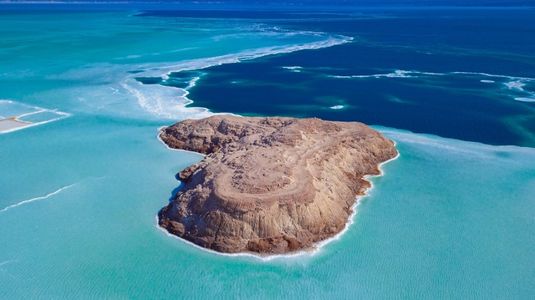
When most people think of travel in East Africa, their minds automatically drift toward safari tracks in Kenya or historic trails in Ethiopia. But if you are a traveler who craves raw, untouched landscapes, alien-like geological formations, and empty, sun-drenched beaches, Djibouti is the absolute crown jewel waiting for you in 2026.
This tiny nation on the Horn of Africa packs an unimaginable amount of adventure into its borders. From salt lakes that sit far below sea level to the thrill of swimming alongside massive ocean giants, Djibouti is a playground for the curious.
Below, we break down the absolute best tours, iconic highlights, and crucial travel tips to help you plan an unforgettable journey to Djibouti this year.
What makes Djibouti a must-visit destination in 2026?
For decades, Djibouti was primarily known to international business travelers and military personnel. However, 2026 is seeing a massive shift as adventurers realize it is one of the safest, most visually dramatic places on the continent.
Djibouti lies on the Afar Triple Junction, a unique geological point where three of the Earth's tectonic plates (the African, Somalian, and Arabian plates) are actively pulling away from each other at a rate of approximately $2\text{ cm}$ per year. This geographic split has torn the landscape open, creating a surreal canvas of deep canyons, steaming hot springs, active volcanic fields, and hyper-saline lakes. If you want to visit a place that feels like Mars but is right here on Earth, Djibouti is it.
What are the best things to do in Djibouti City?
Your journey will almost certainly begin in the capital, Djibouti City. Far from just a transit hub, this vibrant city is a colorful melting pot where African, Arab, and French colonial influences crash together.
While exploring, make sure to:
- Stroll through Place Menelik: This historic central square is lined with French colonial-era buildings, bustling outdoor cafés, and lively crowds.
- Explore the Central Market (Les Caisses): Get lost in a sensory explosion of bright fabrics, aromatic local spices, and hand-woven crafts.
- Visit the Grand Mosque of Hamoudi: Built in 1906, this iconic, whitewashed mosque stands proud as one of the oldest and most beautiful spiritual landmarks in the city.
- Walk the Waterfront Promenade: Watch the ships glide into the Gulf of Aden while enjoying a cool breeze at sunset.
How do you visit Lake Assal, Africa's lowest point?
No trip to Djibouti is complete without a tour to Lake Assal. Located about 120 kilometers west of the capital, this crater lake lies at an astonishing $-155\text{ m}$ (155 meters) below sea level, making it the lowest point on the entire African continent and the third lowest on Earth.
Because of the extreme evaporation rates in this hot, arid climate, Lake Assal is roughly ten times saltier than the ocean. The water is a brilliant, glowing turquoise, ringed by a shoreline of blindingly white, crystallized salt that looks exactly like snow. You can easily walk along the crusty salt flats, watch the local Afar people traditionally harvest salt, and even float effortlessly in the buoyant waters. Just remember to pack a fresh bottle of water to rinse off the thick salt crust afterward!
What is the mystery behind Ghoubet Al-Kharab (The Devil's Island)?
Right next to Lake Assal lies Ghoubet Al-Kharab, a deep, dramatic bay surrounded by steep, black-lava cliffs. Locals historically dubbed it "the Devil’s Island" because of the eerie, dark-green currents and the ancient legends of monsters lurking in its depths.
Geologically, Ghoubet is an incredibly active area where you can stand on the bridge of land between the bay and Lake Assal to view massive volcanic fissures. In the cooler months, the nutrient-rich waters here become a primary feeding ground, making it an extraordinary spot for underwater exploration.
Is it possible to swim with whale sharks in Djibouti?
Yes! In fact, Djibouti is one of the best and most reliable places in the world to swim with whale sharks.
Between the months of November and February, massive plankton blooms in the Gulf of Tadjoura and Ghoubet Al-Kharab attract dozens of these gentle, spotted giants. Because they gather close to the surface to feed, you do not even need scuba gear—a simple snorkel and mask will put you face-to-face with sharks that can grow up to 10 meters long. Most local operators offer day-long boat tours leaving from Djibouti City that guarantee a high chance of spotting and swimming alongside these magnificent creatures in a respectful, eco-friendly manner.
Why is the sunrise at Lake Abbe described as "out of this world"?
If you want a truly spiritual travel experience, book a multi-day tour that includes an overnight stay at Lake Abbe. Straddling the border between Djibouti and Ethiopia, this desolate salt lake is famous for its hundreds of towering limestone chimneys.
These chimneys are actually active geothermal vents that continuously spit out steam and sulfur from deep underground. If you wake up at dawn, you will see a landscape shrouded in mist, with steam rising from the earth as the golden sun pierces through. It looks so much like a sci-fi movie that parts of the original Planet of the Apes film were shot here. As a bonus, you will likely share the shores with massive, bright pink colonies of flamingos that feed in the shallow, mineral-rich waters.
Where are the best beaches in Djibouti for a relaxing day?
While Djibouti is famous for its rugged deserts, it also boasts spectacular, pristine coastlines. If you need a break from rocky roads, head to these coastal havens:
- Plage des Sables Blancs (White Sands Beach): Located near the historic white town of Tadjoura, this is widely considered the most beautiful beach in Djibouti. It offers soft white sand, calm turquoise waters, and excellent coral reefs just feet from the shore.
- Khor Ambado: Situated a short 4WD drive from Djibouti City, this sandy cove is a favorite among locals for swimming, watching the sunset, and eating fresh, locally caught seafood at rustic beach shacks.
- Moucha and Maskali Islands: Take a 30-minute boat ride from the capital to these quiet, uninhabited islands. Here, you will find crystal-clear waters perfect for snorkeling, vibrant coral gardens, and complete peace away from the city.
What can you expect when trekking the Goda Mountains?
If you need a break from the coastal heat, the Goda Mountains in the northwest offer a wonderfully cool, green escape. Rising to over 1,700 meters, this mountain range features lush vegetation and unique microclimates.
Here, you can hike through the Day Forest National Park, which is a protected sanctuary for rare, ancient juniper forests and endangered wildlife, such as the Djibouti francolin (a rare bird found nowhere else on earth). Along the trails, you will pass traditional Afar villages, giving you a beautiful glimpse into the traditional, nomadic way of life that has survived in these highlands for centuries.
What does traditional Djiboutian food taste like?
Djiboutian cuisine is a delicious, aromatic reflection of the country's multicultural history, blending Somali, Afar, Yemeni, and French culinary secrets.
During your tour, make sure to taste:
- Fah-Fah: A highly seasoned, spicy stew made with goat or camel meat, traditionally eaten with spongy, sourdough Canjeero bread.
- Mukbaza: A traditional Yemeni-inspired dish featuring fresh fish cooked over hot charcoal, mashed into a soft paste, and served with sweet honey or dates.
- Skudahkharis: Regarded as the national dish of Djibouti, this is a rich, slow-cooked lamb and rice dish seasoned with cardamom, cloves, and cinnamon.
Is Djibouti safe for international tourists?
Yes, Djibouti is widely regarded as one of the safest and most stable countries in the Horn of Africa. The country hosts several international military bases (including US, French, and Japanese installations), which contributes to an incredibly strong security presence and high political stability.
While major violent crime against tourists is practically nonexistent, you should still exercise normal travel precautions:
- Keep your valuables secure in busy markets like the Central Market to avoid petty pickpocketing.
- Always travel with an experienced local guide when heading to remote, desert areas like Lake Abbe or the border zones.
- Dress modestly out of respect for local Islamic traditions, keeping shoulders and knees covered in public.
When is the best time of year to book Djibouti tours?
Because Djibouti is surrounded by deserts, temperatures can become exceptionally hot.
- The Best Time to Visit (November to April): This is the cool, dry season. Temperatures hover comfortably between $25^\circ\text{C}$ and $30^\circ\text{C}$ ($77^\circ\text{F}$ to $86^\circ\text{F}$), making it perfect for desert hikes, city walking tours, and swimming with whale sharks.
- The Hot Season (May to September): Temperatures frequently soar past $40^\circ\text{C}$ ($104^\circ\text{F}$), with dry, dusty winds blowing off the desert. While coastal diving remains good, inland travel during these months can be physically exhausting.
Do I need a visa to travel to Djibouti in 2026?
Yes, almost all international travelers require a valid visa to cross the border into Djibouti.
While the country used to issue visas on arrival at the airport, the Djiboutian government has transitioned to a streamlined, digital e-Visa (Electronic Visa) system. To avoid being denied boarding on your flight, you must apply for and receive your approved e-Visa online before you depart your home country.
What is the easiest way to apply for a Djibouti e-Visa?
The easiest and most stress-free way to secure your travel authorization is to apply online through a dedicated visa platform. By using a simplified digital form, you can skip the confusing government portals and upload your passport details, flight itinerary, and hotel booking securely.
To explore the latest visa rules, eligibility lists, and entry requirements, check out the comprehensive Djibouti Visa Policy Guide.
Why choose a professional visa agency for your Djibouti travel?
When you are planning a bucket-list adventure to a destination like Djibouti, the last thing you want to worry about is a rejected visa application due to minor paperwork mistakes. That is why thousands of global adventurers trust professional visa consultants to handle their travel logistics.
Why Choose Us?
- Reliable Travel Visa Services: Our global, highly-rated approach has successfully assisted countless international travelers in obtaining their official Djibouti visas without any hassle.
- Round-the-Clock Assistance: Have questions at midnight? No problem. Reach out to our dedicated support team 24/7, and our experienced visa experts will respond directly to you within 72 hours.
- Experienced Visa Consultants: Get personalized, expert guidance throughout your application process to ensure all your documents are flawless, maximizing the approval rate of your visa.
- Efficient Visa Application Process: No long lines, no confusing government jargon. Fill out our simplified online form and apply for your Djibouti travel visa in just a few minutes.
Ready to see the pink flamingos of Lake Abbe and float in the turquoise waters of Lake Assal? Secure your travel documents today and make your 2026 dream trip a reality!
Written By:
Henryk Lassen

Hotels at your convenience
Now choose your stay according to your preference. From finding a place for your dream destination or a mere weekend getaway to business accommodations or brief stay, we have got you covered. Explore hotels as per your mood.