The Best Food Adventures Across Japan for First-Time Visitors
 Daniel Martin
29 Sep, 2025
10 mins read
77
Daniel Martin
29 Sep, 2025
10 mins read
77
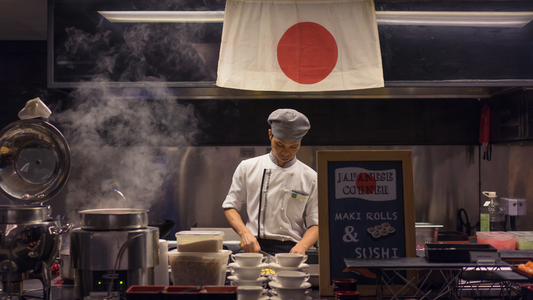
Introduction: Your Gateway to Japan's Culinary Paradise
Japan's culinary landscape offers first-time visitors an incredible journey through centuries of tradition mixed with modern innovation. While countries with higher ratios of centenarians differ in lifestyle and culture, there seems to be common factors that contributed to the increased number of centenarians in these countries, making Japan's food adventures particularly compelling for health-conscious travelers seeking authentic experiences that go far beyond simple tourism.

Essential Japan Travel Tips for Food Enthusiasts
Navigating Japan's dining scene as a newcomer requires some preparation, but the rewards are extraordinary. Essential preparation can transform nervous first-timers into confident food explorers ready to discover authentic local flavors.
With an esim for japan travel in your device, you’ll have reliable connectivity to access translation apps, uncover hidden foodie spots, and instantly share your gastronomic finds with friends and family back home, all before you even step into your first restaurant adventure.
Understanding Japanese Food Etiquette for First-Timers
Japanese dining etiquette isn't as intimidating as many first time visitors Japan expect. The basic rule? Don't stick chopsticks upright in rice bowls, it resembles funeral rituals.
Slurping noodles is actually encouraged and shows appreciation for the chef. Tipping isn't customary and can even cause confusion, so simply pay your bill and express gratitude with a bow.
Navigating Language Barriers and Menu Translation Apps
Google Translate's camera function works wonders for menu translations, though results can be hilariously inaccurate sometimes. Popular translation apps like Papago or VoiceTra offer more reliable food-specific translations.
Learning basic phrases like "arigato gozaimasu" (thank you) and "sumimasen" (excuse me) goes a long way. Many restaurants display plastic food models, making ordering surprisingly straightforward even without language skills.
Best Japanese Dishes Every First-Timer Must Experience
Certain iconic dishes define Japan's culinary identity and deserve priority placement on every newcomer's itinerary. These best Japanese dishes represent centuries of culinary evolution and regional pride.
Sushi Evolution: From Traditional to Contemporary
Sushi extends far beyond California rolls. Traditional sushi bars offer omakase experiences where chefs select seasonal fish at peak freshness. Conveyor belt sushi provides budget-friendly introductions to different varieties.
Don't miss seasonal specialties like uni (sea urchin) in winter or kohada (gizzard shad) in summer. Each piece tells a story of regional waters and traditional preparation methods.
Ramen Regional Variations Beyond the Basics
Every region claims the best ramen, and honestly, they're all right. Hokkaido's miso ramen differs completely from Kyushu's tonkotsu or Tokyo's shoyu varieties.
Hidden neighborhood ramen shops often serve better bowls than famous chains. Look for places where salarymen line up during lunch breaks, that's your quality indicator.
Popular Foods in Japan for Dietary Restrictions
Japan increasingly accommodates diverse dietary needs, though communication remains key for successful navigation. Modern restaurants understand international dietary requirements better than ever before.
In the CALERIE study, 218 participants received 25% less calories over two years, showing significant reduction in atherosclerotic risk factors and improved cholesterol levels, demonstrating how Japanese-style portion control naturally supports health goals.
Vegetarian and Vegan Food Adventures
Buddhist temple cuisine (shojin ryori) offers incredible plant-based experiences using seasonal vegetables, tofu, and creative preparations. Many temples serve traditional vegetarian meals to visitors.
Modern vegan restaurants in Tokyo and Kyoto create innovative dishes using traditional Japanese ingredients. Apps like Happy Cow help locate vegan-friendly establishments throughout Japan.
Gluten-Free Japanese Food Navigation
Rice-based dishes like sushi, onigiri, and rice bowls are naturally gluten-free. However, soy sauce contains wheat, so request tamari or bring gluten-free alternatives.
Many traditional dishes use wheat-based ingredients unexpectedly. Restaurant cards explaining dietary restrictions in Japanese prove invaluable for safe dining experiences.
Practical Food Adventure Planning Tips
Smart planning maximizes your culinary experiences while minimizing stress and confusion. Technology and local knowledge combine to create unforgettable food adventures in Japan.
Essential Apps and Resources for Food Discovery
Tabelog functions like Japan's Yelp, offering local reviews and ratings. Google Maps shows nearby restaurants with photos and basic information in English.
Instagram hashtags like #japanfood and location tags reveal trending spots and photogenic dishes. Local food bloggers often share hidden gems tourists typically miss.
Creating Your Personal Food Adventure Itinerary
Balance tourist destinations with local neighborhoods for authentic experiences. Popular foods in Japan vary by region, so research specialties before arriving in each city.
Schedule lighter meals between heavy ones, your stomach needs recovery time. Markets open early, so plan morning visits before afternoon restaurant adventures.
Common Questions About Japanese Food Adventures
Is $5000 enough for a trip to Japan?
For most single travelers, $5000 covers a week comfortably. Couples or families preferring luxury experiences may exceed this amount, particularly including international flights.
Where to travel in Japan for food?
Osaka earns the "Kitchen of Japan" title with economical local dishes. Hokkaido, Kyoto, Tokyo, and Fukuoka each offer distinct culinary personalities worth exploring.
What's the best time to visit for food experiences?
Each season brings unique ingredients and specialties. Spring offers cherry blossom-themed treats, while autumn features harvest celebrations and matsutake mushrooms.
Final Thoughts on Your Japanese Culinary Journey
Your Japan travel tips journey through authentic flavors connects you to centuries of culinary tradition while supporting your health goals. Each meal tells stories of regional pride, seasonal ingredients, and cultural values that extend far beyond simple sustenance. Remember that food adventures create lasting memories and genuine cultural understanding. Don't just eat in Japan, experience the soul of a nation through its incredible cuisine, one unforgettable bite at a time.
Written By:
Daniel Martin

Hotels at your convenience
Now choose your stay according to your preference. From finding a place for your dream destination or a mere weekend getaway to business accommodations or brief stay, we have got you covered. Explore hotels as per your mood.