The Best Season to See Snow on Kedarkantha
 Birendra Bisht
19 Nov, 2025
7 mins read
152
Birendra Bisht
19 Nov, 2025
7 mins read
152
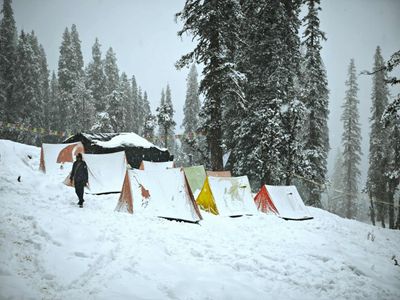
The Kedarkantha trek, tucked away in the Garhwal Himalayas of Uttarakhand, has gained legendary status among India's winter trekkers and adventure seekers. What truly sets Kedarkantha apart is its consistently heavy snowfall, transforming its pine forests, alpine meadows, and summit views into a winter wonderland each year. If you’re planning your trek specifically to experience deep snow, timing your visit for the right season is crucial. Here’s everything you need to know about the best time for a magical snow-filled Kedarkantha adventure.
Snowfall Months: December to February – The Heart of Winter
The most reliable season to see deep snow on the Kedarkantha trek is from mid-December to late February. During these months, snowfall starts accumulating quickly, blanketing the entire route from Sankri base camp to the Kedarkantha summit with thick, powdery snow. Late December sees the landscape shift—with pine forests covered in white and Juda Ka Talab turning into a frozen lake. January is renowned for the heaviest snowfall, where depths at higher camps can exceed three feet, offering trekkers the classic Himalayan snow trek experience. February continues the snowy spell but gradually brings longer daylight and slightly milder temperatures, perfect for enjoying deep snow with easier trekking conditions.
Why This Period Is Ideal
- Scenic Beauty: Every aspect of the trail gets covered by snow, the meadows, forests, and campsites seem like scenes from a fairytale.
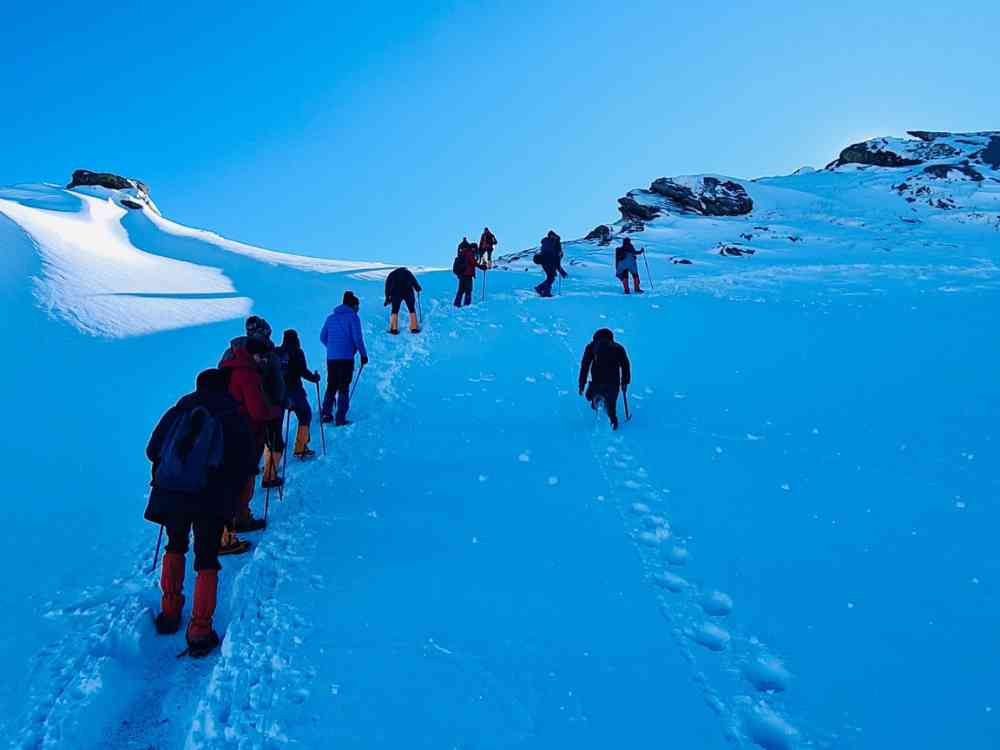
- Snow Activities: Trekkers can walk through knee-deep snow, see frosted trees, build snowmen, and camp under starry skies reflecting on snowfields.
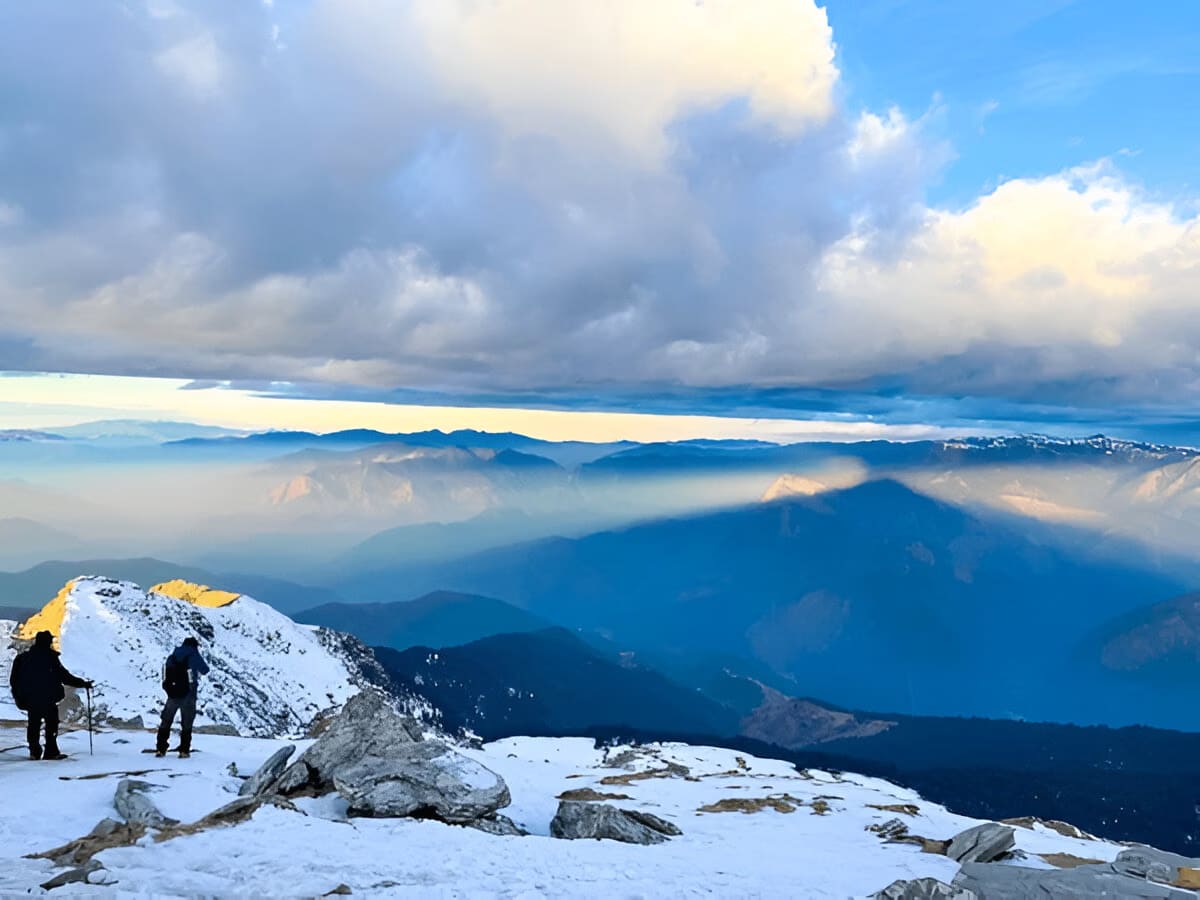
- Photography: The contrasting white snow against blue skies makes for some of the most dramatic Himalayan photographs.
- Wildlife and Tranquility: Snow muffles sound, creating an uncanny feeling of solitude, with occasional sightings of Himalayan wildlife adapting to the cold.
- What to Expect: Weather and Trail Conditions
- Temperatures: In December and January, daytime temperatures hover between -2°C to 8°C, dropping to -8°C or lower at night. February is a touch warmer, but nights are still freezing.
- Snow Depth: Lower camps like Juda Ka Talab and Kedarkantha Base generally receive 1–2 feet of snow, with 3 feet or more at the summit in peak January.
- Trail Experience: The trek is physically challenging in snow, expect icy trails, slippery paths, and frosted tent sites. Proper gear is vital: insulated boots, thermal layers, gloves, and snow gaiters.
March & Early April: Lingering Snow for Latecomers
By March, snowfall begins to taper off at lower elevations, but higher camps and the summit often retain thick snow patches, especially in shaded areas. Trekkers in March enjoy both snow trekking and milder temperatures, though the pure, unbroken snowy vistas slowly give way to the first signs of spring.
Planning and Safety Tips
- Clothing: Pack at least three layers of thermal, fleece, and a waterproof shell.
- Equipment: Microspikes, gaiters, and trekking poles are advised for snowy and icy stretches.
- Acclimatization: Start slow to adjust to cold and altitude, especially on summit days.
- Preparation: Check forecasts before your trek; while snow is almost guaranteed in winter, severity varies year to year.
Off-Season Snow: Is It Possible?
Outside the December to February window, brief snowfalls may occur in late November or last into early April (especially after unusual winter events), but most years, December marks the beginning of reliable snow, and March signals the start of melting.
In summary:
For those yearning to experience Kedarkantha’s legendary snow, aim for trips between mid-December and late February, with January offering peak snow depths and the most dramatic winter trekking conditions. By planning for this season, you’ll walk through enchanted forests and meadows, witness dazzling sunrises over snowy ranges, and delight in the pure silence only snow can bring.
Do This Season Kedarkantha Trek with Himalaya Shelter:
Experience Winter Snow and Spring Blossoms
Do This Season journey of the Kedarkantha trek with Himalaya Shelter, capturing the best of both worlds. Enjoy the pristine white snow and breathtaking panoramic views in winter (December to February), where the trail is transformed into a magical wonderland, perfect for snow trekking enthusiasts. Alternatively, explore the vibrant greenery and blooming rhododendrons during spring (March to June), when the weather is mild and ideal for comfortable trekking. Himalaya Shelter offers expertly guided packages that cover both seasons, ensuring your trek is safe, well-organized, and memorable. Whether you prefer the serene snowfields or the lively alpine meadows, this dual-season trek is an unmatched Himalayan experience.
Written By:
Birendra Bisht

Hotels at your convenience
Now choose your stay according to your preference. From finding a place for your dream destination or a mere weekend getaway to business accommodations or brief stay, we have got you covered. Explore hotels as per your mood.