The Green Guardian: Biodiversity and Beauty in Kudremukh National Park
 Palakshi Meharwal
02 Aug, 2025
9 mins read
66
Palakshi Meharwal
02 Aug, 2025
9 mins read
66
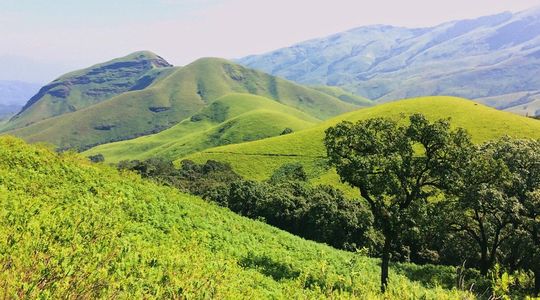
Nestled in the heart of Karnataka’s Western Ghats, Kudremukh National Park Trip stands as a testament to nature’s untouched splendor. Often overshadowed by more popular wildlife sanctuaries in India, Kudremukh (meaning "horse face" in Kannada, a reference to the mountain’s unique shape) offers something even more profound — a delicate, thriving ecosystem that shelters some of the most diverse flora and fauna in the subcontinent. This article delves into the richness of this bio-reserve, offering valuable insights into its biodiversity, scenic beauty, and the importance of its conservation.
A UNESCO-Recognized Treasure
Designated as a part of the Western Ghats UNESCO World Heritage Site, Kudremukh National Park is internationally recognized for its ecological significance. Spread across nearly 600 square kilometers in the Chikkamagaluru district, this park represents one of the largest protected areas of tropical wet evergreen forest in South India. It’s not just a picturesque escape for trekkers and nature lovers but also an essential green corridor for wildlife species migrating through the Ghats.
Biodiversity: A Sanctuary for Rare and Endangered Species
Kudremukh’s rich biodiversity makes it a hotspot for conservation. With over 200 species of birds, 50 species of mammals, and a vast range of reptiles, amphibians, and insects, the park supports an ecosystem that is both complex and fragile.
- Mammals: Among its residents are the endangered Lion-tailed macaque, a primate species endemic to the Western Ghats. The elusive tiger, leopard, gaur (Indian bison), and Malabar giant squirrel are also part of its diverse fauna. These animals rely on the dense forest canopy and clean river systems that flow throughout the park.
- Birdlife: Kudremukh is a paradise for ornithologists. The Malabar trogon, great Indian hornbill, and Nilgiri wood pigeon are just a few of the park’s avian gems. These birds thrive in the moist, dense environment that Kudremukh provides.
- Flora: Towering evergreen trees, rare orchids, and medicinal plants dominate the forest landscape. The park lies within one of the eight "hottest hotspots" of biodiversity in the world, as identified by Conservation International.
Rivers and Rainforests: Lifelines of the Region
Three important rivers—Tunga, Bhadra, and Nethravathi—originate within the boundaries of Kudremukh. These rivers are not only crucial for the park’s ecosystem but also provide lifelines to the communities and agricultural regions downstream.
Unlike many parks that experience dry seasons, Kudremukh receives abundant rainfall, often exceeding 7,000 mm annually. This high moisture content supports the lush evergreen forests and maintains year-round flow in the park’s streams and rivers.
Trekking Through the Green Heart
While wildlife thrives in the shadows of the forest, Kudremukh also invites explorers to witness its beauty up close. The Kudremukh Peak Trek is one of the most scenic in Southern India, offering panoramic views of rolling hills, shola grasslands, and mist-covered valleys.
Trekking routes like Kurinjala Peak, Gangamoola, and Kadambi Falls bring visitors face-to-face with the area’s natural wonders. However, these trails are regulated to ensure minimal human impact on the ecosystem — a necessary measure given the park's sensitivity.
Conservation Challenges and Human Responsibility
Despite its protected status, Kudremukh faces several environmental challenges. Encroachment, illegal logging, and past mining activities have left scars on the land. The Kudremukh Iron Ore Company Limited (KIOCL) once operated in the region until it was shut down in 2005 following a Supreme Court order due to ecological concerns.
While the forest has been gradually recovering, ongoing conservation efforts are critical. Initiatives by the Karnataka Forest Department, local NGOs, and community-led reforestation projects are helping to restore degraded areas and raise awareness about biodiversity preservation.
A promising shift toward eco-tourism has also emerged, encouraging sustainable travel practices. Local guides and homestay owners are increasingly involved in protecting the forest while benefiting economically from tourism.
Why Kudremukh Matters
Preserving Kudremukh is not just about protecting a scenic location. It's about safeguarding a complex web of life, where each species, tree, and water source plays a role in sustaining a much larger ecological system. The park serves as a climate regulator, a source of freshwater, and a genetic reservoir for countless species.
Furthermore, Kudremukh embodies a rare balance between wilderness and accessibility. It demonstrates how biodiversity and tourism can coexist when guided by principles of sustainability and mutual respect.
Visiting Kudremukh: Travel Tips
For those planning a visit:
- Best Time to Visit: October to May, when the weather is cooler and trekking conditions are ideal.
- Permits Required: Entry into certain parts of the park requires forest department permission. It's advisable to go through authorized trekking operators
- Nearest Access Points: Mangalore (approx. 100 km) and Chikkamagaluru are the closest major cities. From there, local transport or private vehicles can reach the base villages.
- Stay Options: Homestays in places like Kalasa, Samse, and Kudremukh town offer immersive local experiences.
Final Thoughts
Kudremukh National Park is more than a travel destination — it is a living, breathing ecosystem that demands reverence and protection. As travelers, conservationists, or simply admirers of nature, it is our shared duty to preserve this green guardian for future generations.
Whether you're hiking through misty trails or quietly observing a troop of macaques in the canopy, Kudremukh offers an intimate encounter with one of India’s most spectacular ecological treasures. And in doing so, it teaches us an enduring truth: in protecting nature, we protect ourselves.
Written By:
Palakshi Meharwal

Hotels at your convenience
Now choose your stay according to your preference. From finding a place for your dream destination or a mere weekend getaway to business accommodations or brief stay, we have got you covered. Explore hotels as per your mood.