The Hidden Science Behind Quality Tyre Products Australians Trust
 Islam Karem
31 Oct, 2025
18 mins read
61
Islam Karem
31 Oct, 2025
18 mins read
61
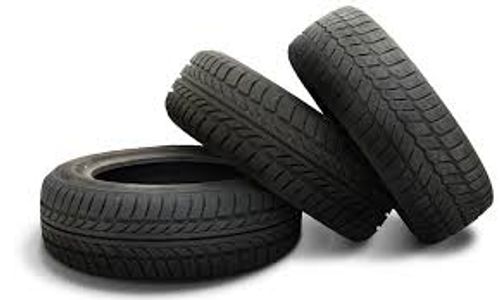
You probably don’t think much about your tyres until one goes flat halfway to Bunnings. Yet those round pieces of rubber are quietly holding your entire life—literally—off the ground.
When we talk about Quality Tyre Products, we’re not just talking about looks or brand labels. We’re talking about complex chemistry, meticulous engineering, and testing so intense it’d make NASA blush.
In Australia, where roads range from scorching outback highways to rain-soaked coastal routes, tyre quality isn’t a luxury—it’s survival.
This post dives into what makes a tyre “quality,†how to choose the right ones, and the science that keeps you gripping the road instead of sliding into embarrassment at the next roundabout.
Quick Overview: At a Glance
- What makes a tyre “quality� It’s about materials, design, testing, and consistency—not just price.
- Why it matters: High-quality tyres last longer, grip better, and save you money (and stress).
- The science behind it: Advanced polymers, tread patterns, and thermal resistance engineering.
- Who benefits most: Everyday Aussie drivers dealing with unpredictable climates and long distances.
- How to spot fakes: There’s a surprising amount of low-grade imports out there.
Want to dive deeper into the tread and torque? Keep reading.
The Anatomy of Quality Tyre Products
Let’s strip a tyre down—figuratively. Quality tyres are a mix of precision engineering and chemical artistry. Every part serves a purpose:
- Tread: Designed for grip, water evacuation, and stability. Think of it as the shoe sole of your car—only more expensive.
- Sidewall: Provides cushioning and flexibility while resisting impact from kerbs and potholes.
- Bead: Anchors the tyre to the rim with steel strength and rubber flexibility.
- Carcass (Body): Layers of nylon and polyester that give structure without weight.
A quality tyre product isn’t just thicker rubber—it’s smarter rubber. Brands that invest in research use silica compounds that adapt to temperature, maintaining grip whether you’re in Melbourne drizzle or Darwin heat.
Did You Know?
The average car tyre contains over 200 different materials, including natural rubber, synthetic polymers, steel, carbon black, and antioxidants. And you thought it was just rubber and air.
The Science of Grip: Why Quality Feels Different
You can’t see grip, but you can feel it when you take a tight turn and don’t end up explaining things to your insurance company.
High-quality tyres use asymmetrical tread designs—meaning different sections of the tyre handle different tasks. The outer edge grips dry corners, while the inner channels push water away in rain. Cheap tyres? They often have lazy, uniform patterns that handle everything badly.
The Key Ingredients of a Quality Tyre:
- Silica-enriched compounds: For wet grip and energy efficiency.
- Nano-fillers: Improve wear resistance.
- Heat-resistant bonding agents: Prevent cracking under Aussie summer conditions.
And before you ask—yes, there’s actual science behind the “quiet†ride claims. Engineers design tread blocks to reduce vibration frequencies, so your car hums instead of growls.
Australia’s Roads: A Tyre’s Toughest Test
Australia’s diverse terrain isn’t kind to tyres. Between melting bitumen in the outback and pothole-studded suburban roads, cheap imports rarely stand a chance. Quality tyre products from reputable brands undergo climate-specific testing—think sand, gravel, and long highway endurance.
Pro Tip Box:
When choosing tyres in Australia, look for:
- Temperature ratings (A or B for hot climates)
- Treadwear score (higher means longer life)
- Traction rating (AA or A for better braking)
Your wallet may cry a little now, but it’ll thank you later when you’re not buying a new set every 20,000 km.
How Quality Tyres Save You Money (and Embarrassment)
Let’s do the math: you pay $500 for a cheap set that lasts 30,000 km or $900 for a premium set that lasts 70,000 km. Guess who’s actually saving money?
Beyond longevity, quality tyres reduce rolling resistance, improving fuel economy. According to the Australian Automobile Association, better tyres can save up to 7% on fuel consumption.
Also, they make your car feel newer. Poor tyres can make even a luxury car drive like a shopping trolley.
Quick Guide: Choosing Quality Tyre Products the Smart Way
The Situation
You’ve just been told your tyres are “due.†The mechanic’s smirk suggests your wallet is also “due†for punishment. How do you avoid overpaying without underperforming?
Common Challenges
- Confusion between premium and overpriced tyres.
- Overwhelmed by brand jargon (eco-grip, pro-contact, ultra-sport… seriously?).
- Tempted by online deals that ship tyres older than your dog.
How to Choose Wisely
1. Check the DOT Code: It tells you the tyre’s manufacture date. Anything older than 4 years—skip it. Rubber ages even when unused.
2. Match Tyre Type to Your Lifestyle
- City drivers: Go for low noise and fuel efficiency.
- Rural/outback: Prioritise puncture resistance.
- Performance lovers: Seek directional tread and soft compounds.
3. Read Reviews, Not Ads: A good clue? Reviews mentioning consistent grip in both wet and dry conditions.
4. Buy From Reputable Aussie Dealers: They’ll ensure your tyres meet Australian standards (AS/NZS 1973).
Why It Works
Choosing smart means you balance safety, lifespan, and comfort without paying for unnecessary hype. Quality tyre products are an investment, not an expense.
Tyre Myths Australians Still Believe (And Shouldn’t)
Let’s bust a few popular tyre myths that need to be put out to pasture with last year’s Utes:
Myth 1: All tyres are the same if they fit your car.
Reality: Nope. The chemical compounds, tread design, and construction vary dramatically.
Myth 2: New tyres don’t need alignment.
Reality: They do. Poor alignment ruins your new tyres faster than a teenager ruins data allowance.
Myth 3: More expensive always means better.
Reality: Some mid-range brands make excellent quality tyre products—especially those using OEM partnerships.
Mini Quiz: Are You a Tyre Pro or Just Treading Lightly?
1. What’s the ideal tyre pressure for most passenger cars?
A) 20–25 PSI
B) 30–35 PSI
C) 45 PSI or “whatever feels bouncyâ€
2. What does the “Treadwear†rating mean?
A) Grip on wet surfaces
B) Resistance to wear over time
C) How fashionable the tread looks
3. How often should you rotate your tyres?
A) Every oil change
B) Every 10,000 km
C) When you remember
Answers: 1–B, 2–B, 3–B. If you got them all right, congrats—you’re officially less likely to call roadside assistance this year.
The Future of Quality Tyre Products: Smarter, Greener, Stronger
Innovation in tyre tech isn’t slowing down. Some of the latest trends include:
- Self-healing tyres: Using polymers that close minor punctures automatically.
- Recycled rubber compounds: Reducing waste while improving elasticity.
- Embedded sensors: Monitoring pressure, temperature, and wear in real time.
Australia’s market is already seeing eco-conscious drivers choosing low rolling resistance tyres to reduce emissions. Turns out, saving the planet can also save you fuel money.
FAQs
Q1: How do I know if my tyres are “quality�
Look for trusted brands that meet Australian safety standards, strong warranties, and reviews mentioning consistent wet and dry grip.
Q2: Can I mix tyre brands or types?
Technically yes, but it’s like wearing two different shoes—possible, but stupid. Always match tread patterns and sizes for balance and safety.
Q3: How long should quality tyres last in Australia?
Typically 60,000–80,000 km, depending on driving style, road conditions, and maintenance.
Q4: Is tyre rotation really necessary?
Yes. It ensures even wear. Front tyres wear faster due to steering and braking. Rotate every 10,000 km.
Q5: Are premium tyres worth it for city driving?
If you drive mostly short distances, a mid-tier quality tyre is fine. But cheap tyres? Never. Even in cities, braking distance matters.
Conclusion
Quality Tyre Products are the quiet guardians of every safe trip across Australia. From complex chemical blends to endurance testing in brutal conditions, there’s nothing “simple†about them.
Investing in better tyres means fewer replacements, better fuel economy, and—let’s face it—a more confident drive.
Next time someone tells you all tyres are the same, smile politely and let them find out the hard way.
Written By:
Islam Karem

Hotels at your convenience
Now choose your stay according to your preference. From finding a place for your dream destination or a mere weekend getaway to business accommodations or brief stay, we have got you covered. Explore hotels as per your mood.