The Hidden Wilderness: Amagarh Leopard Safari Adventure Awaits
 Palakshi Meharwal
07 Aug, 2025
8 mins read
34
Palakshi Meharwal
07 Aug, 2025
8 mins read
34
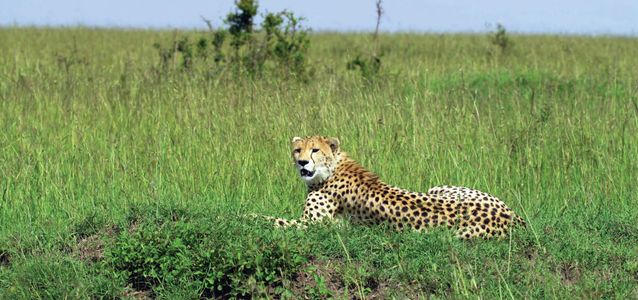
Nestled in the rugged terrain just beyond the bustling cityscape of Jaipur, the Amagarh Leopard Safari remains one of Rajasthan’s best-kept secrets. While the Pink City dazzles with forts, palaces, and vibrant bazaars, few visitors know about the wild heartbeat that echoes through the nearby Aravalli hills. The Amagarh forest is not just a scenic escape—it is a living, breathing wilderness where leopards roam free, and nature unfolds in its rawest form.
An Untamed Jewel in Jaipur’s Backyard
The Amagarh Forest Reserve spans a landscape rich in biodiversity. What makes this area especially intriguing is its proximity to the urban sprawl. Within a short drive from Jaipur’s city center, you can find yourself amidst dry deciduous forests, rocky outcrops, and natural water holes—ideal conditions for a thriving leopard population.
Unlike the more commercialized safaris in India, such as those in Ranthambore or Bandhavgarh, Amagarh offers a quieter, more intimate encounter with wildlife. The experience is raw and relatively untouched by mass tourism, making it a rare gem for wildlife enthusiasts and photographers seeking authenticity.
Leopards in the Wild: The Stars of Amagarh
Leopards are elusive by nature. Yet, Amagarh has earned a reputation for being one of the best locations to observe them in their natural habitat without the overwhelming tourist crowd. Sightings have been consistent thanks to a healthy population of prey species and minimal human interference. Wildlife experts attribute this stability to the forest’s geographical isolation and ongoing conservation efforts by local forest authorities and NGOs.
Beyond leopards, the area is also home to other species like hyenas, jackals, Indian foxes, and an array of birdlife, including partridges, peacocks, and owls. Botanically, the forest features native trees such as dhok, babool, and khejri, which support a wide variety of animal life and prevent soil erosion in the fragile Aravalli range.
What Makes Amagarh Safari Unique?
Unlike regulated national parks with fixed zones and heavy vehicle traffic, Amagarh Safari operates on a more flexible model, offering visitors a closer and more personalized wildlife experience. The safari is usually conducted in 4x4 jeeps, led by experienced local guides who possess in-depth knowledge of the terrain and animal behavior.
The forest landscape, with its interspersed ridges and ravines, makes each safari feel like an exploration. The thrill isn’t just in spotting a leopard but also in traversing the rugged paths, listening to rustling leaves, and following fresh pugmarks—experiences that reawaken our primal connection to the wild.
Best Time to Visit Amagarh Leopard Safari
The ideal time to embark on this safari adventure is between October and March, when the weather is cool and visibility is high. During these months, animals are more active during daylight hours, and the arid landscape takes on a golden hue, perfect for photography. Summers, although dry and hot, offer higher chances of spotting leopards near water sources.
Mornings and late afternoons are considered the best windows for a safari, as leopards tend to avoid midday heat. Dressing in earthy tones and avoiding strong perfumes can enhance your chances of a sighting by blending in with the surroundings and not alerting the wildlife.
Eco-tourism and Conservation in Focus
Amagarh is more than just a safari destination; it is a living example of the balance between urban development and conservation. The forest department, alongside community stakeholders, has been working to ensure that tourism here remains sustainable. They limit vehicle entries, promote responsible wildlife viewing, and employ locals as naturalists and guides, thereby generating livelihood while protecting the ecosystem.
Several conservation initiatives have also been undertaken to protect leopard habitats from encroachment and illegal activities. Installing camera traps, monitoring animal movements, and conducting awareness programs in nearby villages are all part of this holistic approach to safeguarding Amagarh’s wilderness.
Visitor Tips for a Fulfilling Experience
- Book in Advance: While still under the radar, the safari slots are limited to preserve the forest's integrity. Advance booking is recommended.
- Follow Guidelines: Respect the wildlife and terrain. Do not litter, make noise, or try to feed animals.
- Bring Binoculars and Cameras: The landscape offers more than leopards—capturing the subtle beauty of flora and fauna can be equally rewarding.
- Stay Hydrated and Pack Light: The terrain is rough, and you may be in the jeep for a few hours. Carry water, a hat, and light snacks.
Getting There
Amagarh is located approximately 15 kilometers east of Jaipur. Private taxis and local transport options are available from the city. The closest airport is Jaipur International Airport, which is well-connected to major cities across India. For those staying in Jaipur, several eco-lodges and homestays near the forest offer early morning pickup for the safari.
Final Thoughts
In an era where wildlife tourism often edges toward spectacle, the Amagarh Leopard Safari stands as a sanctuary of authenticity. It invites you to slow down, to listen, and to look deeper into the world that thrives just beyond the city’s walls. For those seeking more than just a thrill—for those who crave a meaningful encounter with nature—The Hidden Wilderness of Amagarh awaits.
Written By:
Palakshi Meharwal

Hotels at your convenience
Now choose your stay according to your preference. From finding a place for your dream destination or a mere weekend getaway to business accommodations or brief stay, we have got you covered. Explore hotels as per your mood.