Top 10 Historical Sites in Sri Lanka You Can’t Miss
 Seo Look
16 Sep, 2025
7 mins read
61
Seo Look
16 Sep, 2025
7 mins read
61
Top 10 Historical Sites in Sri Lanka You Can’t Miss
When I first packed my bags for Sri Lanka, I wasn’t sure what to expect. I had seen pictures of beaches, tea plantations, and elephants, but I didn’t know the island held so much history. During my trip, I followed a simple Sri Lanka tour itinerary that helped me visit not just the popular attractions but also the old sites that shaped the country’s culture. If you are planning your own Sri Lanka tour package, here are the top 10 historical places that made my journey unforgettable.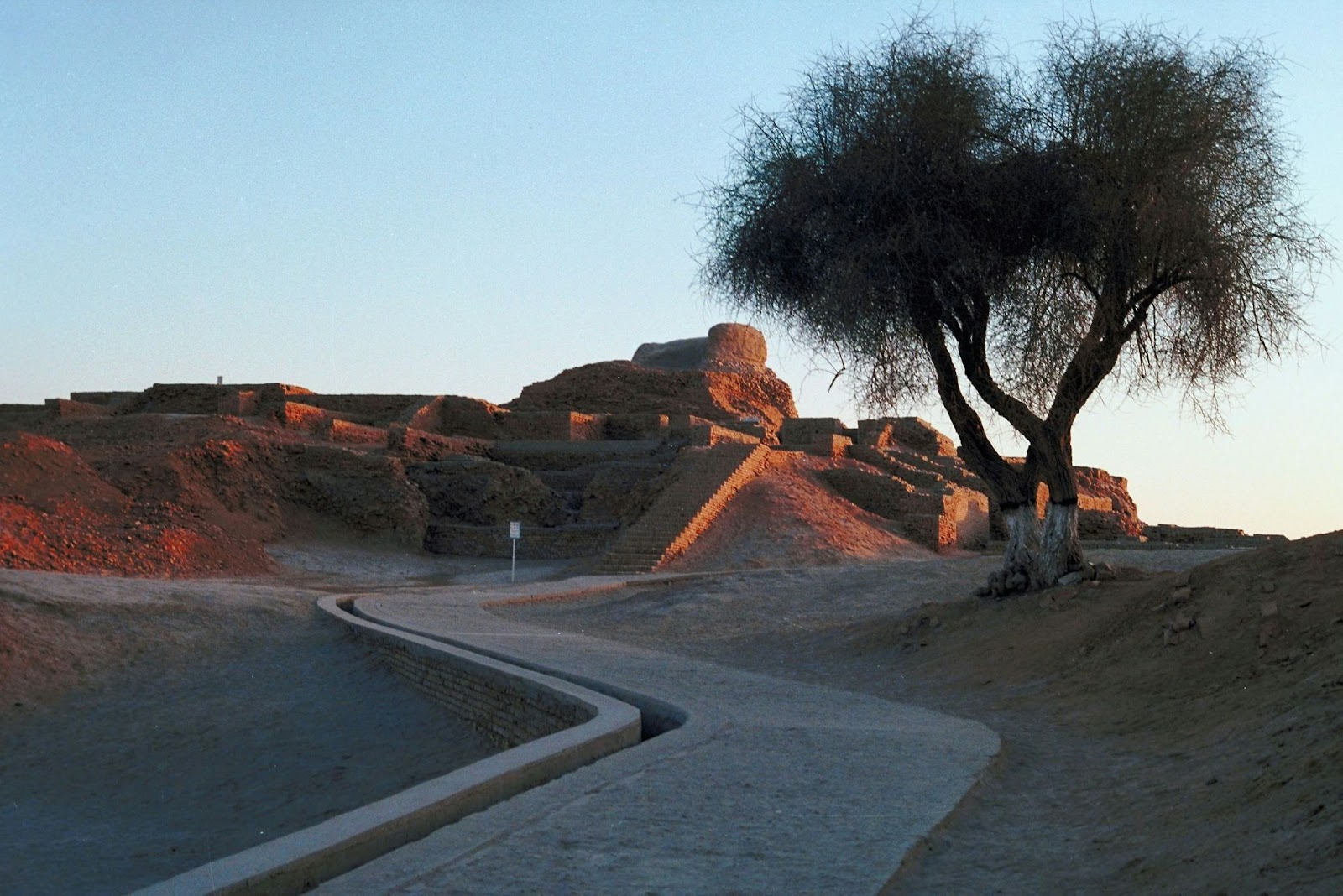
1. Sigiriya Rock Fortress
My journey began at Sigiriya, often called the Lion Rock. Climbing those steep steps was not easy, but the view from the top was worth every drop of sweat. The ancient frescoes on the way up told stories of royalty and art. At the summit, the ruins of a palace whispered tales of a king who lived centuries ago.
2. Anuradhapura Ancient City
Walking through the sacred city of Anuradhapura felt like stepping back in time. I saw giant stupas like Ruwanwelisaya, still standing tall after thousands of years. Pilgrims in white walked around with deep respect, making me realize that this wasn’t just history—it was still alive in people’s faith.
3. Polonnaruwa Ruins
Polonnaruwa showed me the power and creativity of Sri Lankan kings. Massive Buddha statues carved from rock, royal palaces, and irrigation systems told me how advanced this city once was. My guide explained that Polonnaruwa was a capital after Anuradhapura, and its ruins are now a UNESCO site.
4. Dambulla Cave Temple
I entered the Dambulla Caves on a hot afternoon. Inside, the air was cool, and the walls were covered with paintings of the Buddha’s life. Dozens of statues sat quietly in the dark, creating a sense of peace. It was one of the most spiritual experiences of my trip.
5. Temple of the Sacred Tooth Relic, Kandy
In Kandy, I visited the Temple of the Tooth, where the Buddha’s tooth relic is kept. The atmosphere was deeply spiritual. I joined the evening ceremony, drums echoing in the halls, flowers placed as offerings, and monks chanting. It made me feel connected to something much larger than myself.
6. Galle Fort
Switching gears from temples, I walked inside Galle Fort on the southern coast. Built by the Portuguese and expanded by the Dutch, the fort is a mix of European and Asian influences. I enjoyed walking along the old ramparts at sunset, with the sea breeze making the moment perfect.
7. Yapahuwa Rock Fortress
Not many travelers know about Yapahuwa. When I climbed up, I saw an impressive stone staircase leading to the remains of a palace. The carvings on the steps were beautiful. It once held the Sacred Tooth Relic before it was moved to Kandy.
8. Mihintale
My visit to Mihintale was special because it’s believed to be the place where Buddhism was first introduced to Sri Lanka. I climbed over 1,800 steps to reach the top, and along the way, I passed stupas and statues. From the summit, I had a panoramic view of the countryside.
9. Kataragama
Kataragama is both a historical and religious town. People from different faiths—Buddhists, Hindus, and Muslims—come here to pray. I joined a simple evening ritual and saw how locals mixed tradition with daily life. It was a reminder that Sri Lanka’s history is tied to its diversity.
10. Jaffna Fort
Up north in Jaffna, I visited the Jaffna Fort. It had suffered damage during years of conflict, but walking along its walls gave me a glimpse of its former strength. I also explored nearby temples and markets, which showed the region’s unique Tamil culture.
Final Thoughts
Traveling through Sri Lanka’s historical sites was more than just sightseeing. Each place told a story—from ancient kings to colonial powers and spiritual traditions. Following my Sri Lanka tour itinerary, I saw how history is not just in books but alive in temples, ruins, and even daily rituals.
If you are planning your own Sri Lanka tour package, make sure to add at least a few of these sites. They will not just show you the country’s past but also help you connect with its culture today.
Written By:
Seo Look

Hotels at your convenience
Now choose your stay according to your preference. From finding a place for your dream destination or a mere weekend getaway to business accommodations or brief stay, we have got you covered. Explore hotels as per your mood.