Top 5 Himalayan Treks That Take You Through Mythical Valleys and Timeless Villages
 Deepanshu Negi
11 Aug, 2025
10 mins read
84
Deepanshu Negi
11 Aug, 2025
10 mins read
84
The Himalayas are more than just towering mountains and snow-covered peaks. They are home to ancient trails that wind through valleys full of legends, age-old traditions, and villages that seem untouched by time. Walking through these routes lets you connect with both nature and culture, creating an experience that is as enriching as it is adventurous.
These treks are not only about the destination but also about the journey. You pass through landscapes that change with every turn and meet people who still follow traditions passed down through generations. Here are five Himalayan treks that offer an unforgettable mix of natural beauty and cultural charm.
1. Har Ki Dun Trek
The Har Ki Dun trek, also known as the Valley of Gods, is one of the oldest and most scenic trails in the Himalayas. Starting from the small village of Sankri, the route passes through Taluka and Dharkot before opening up to the wide meadows of Har Ki Dun Valley. The total trekking distance is around 34 kilometres, making it a comfortable choice for beginners and even children above 10 years of age. With an easy to moderate difficulty level, the journey offers a perfect mix of adventure and relaxation.
The trail reaches a maximum altitude of 11,600 feet at Har Ki Dun Valley and 12,500 feet at Marinda Lake. The best time to visit Har Ki Dun is from April to June when the valley is lush green and filled with blooming flowers, or from September to November when golden meadows and clear skies create picture-perfect views. Over the course of 6 nights and 7 days from Dehradun to Dehradun, trekkers can expect daytime temperatures between 5°C and 15°C and colder nights ranging from -2°C to 5°C. This combination of beautiful scenery, comfortable pacing, and rich cultural charm makes the Har Ki Dun trek a must-visit for nature lovers.
2. Sandakphu Trek
Sandakphu is a unique trek in the Eastern Himalayas where you can see four of the world’s five highest peaks from one viewpoint. On a clear day, you will spot Mount Everest, Kanchenjunga, Lhotse, and Makalu standing tall on the horizon. The trek follows a ridge along the border of India and Nepal, giving you views of both countries.
This trek also takes you through small villages where life runs at a peaceful pace. The culture here is influenced by Nepalese traditions, and you will find warm tea houses offering rest to tired trekkers. The blooming rhododendrons in spring and the golden hues in autumn make this trek beautiful at any time of the year. Sandakphu is not just a trek for adventure but also for peaceful moments in nature.
3. Valley of Flowers Trek
The Valley of Flowers in Uttarakhand is one of the most famous Himalayan treks for its incredible natural beauty. In summer, the valley is covered in hundreds of species of wildflowers, creating a colourful carpet against a backdrop of mountains and glaciers. The sight is so unique that it is part of a UNESCO World Heritage Site.
The route also includes a visit to Hemkund Sahib, a high-altitude Sikh shrine by a glacial lake. Walking through the valley, you will often hear the sound of rivers rushing down from the mountains. This trek is ideal for those who love nature and want a gentle introduction to trekking in the Himalayas. The combination of flowers, fresh air, and mountain views makes it an unforgettable experience.
4. Markha Valley Trek
The Markha Valley trek in Ladakh is known for its dramatic landscapes and unique culture. The route takes you through dry mountains, river crossings, and high passes that offer sweeping views of the surrounding peaks. The scenery here is very different from the green valleys of the central Himalayas, with barren hills and deep blue skies dominating the view.
Along the way, you will pass through villages with whitewashed houses, Buddhist monasteries, and colourful prayer flags fluttering in the wind. The local culture is influenced by Tibetan traditions, and you might get the chance to stay in homestays where you can taste local Ladakhi food. This trek combines natural beauty with a deep cultural experience, making it a favourite among travellers who want to explore beyond the usual routes.
5. Goechala Trek
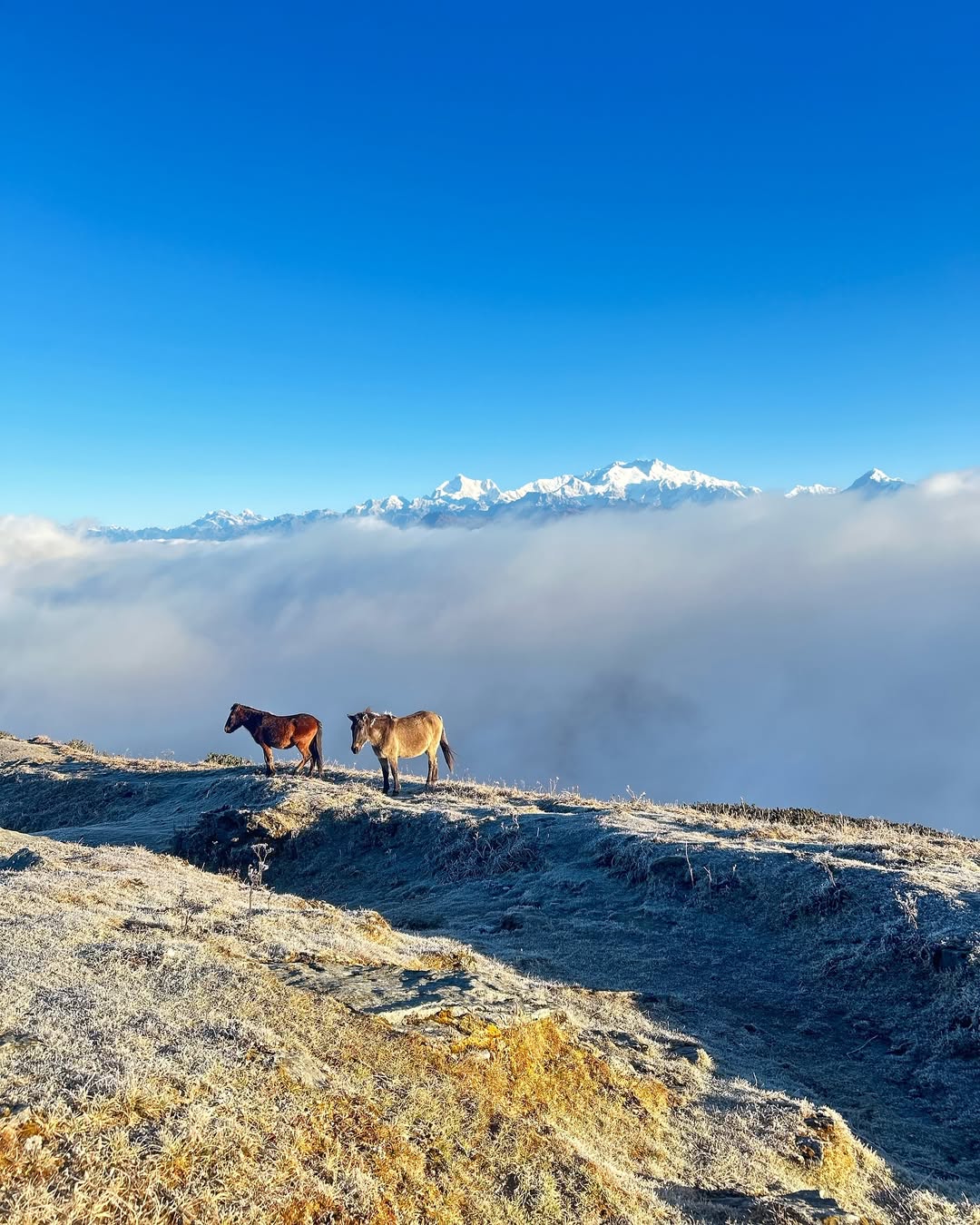
The Goechala trek in Sikkim is one of the best ways to get close views of the mighty Kanchenjunga, the third highest mountain in the world. The trek begins in Yuksom, a small village surrounded by forests, and takes you through rhododendron groves, alpine meadows, and clear streams. Each day brings a change in landscape, and the sunrise view over Kanchenjunga from the viewpoint is the highlight of the journey.
You will also pass through small settlements where traditional Sikkimese life continues much as it has for centuries. The trek is challenging in parts, but the rewards are worth it. Goechala is perfect for those who want both adventure and the chance to explore a region rich in natural and cultural heritage.
Why These Treks Stand Out
Each of these Himalayan treks offers more than just physical adventure. They are journeys through places where nature and culture meet in harmony. The valleys are often linked with ancient legends, and the villages hold stories of the past that are still alive in daily life.
From the snow-covered peaks of Ladakh to the flower-filled meadows of Uttarakhand, these treks take you through landscapes that will stay in your memory for years. You also get the chance to interact with local communities, taste regional food, and understand how people live in these remote regions.
Tips for Planning Your Himalayan Trek
- Choose the right season: Most treks are best between April to June and September to November when the weather is clear.
- Prepare for altitude: Spend a day or two acclimatising to avoid altitude sickness, especially on high treks.
- Pack light but smart: Carry essential items like warm layers, a rain jacket, and sturdy footwear.
- Respect local customs: Dress modestly in villages and follow local etiquette.
- Leave no trace: Keep the trails clean and avoid littering to protect the environment.
Frequently Asked Questions
1. Which of these treks is best for beginners?
The Valley of Flowers trek is ideal for beginners because it has a moderate route, scenic landscapes, and a shorter duration compared to the others.
2. Do I need prior trekking experience for Goechala or Markha Valley?
Yes, both require a good level of fitness and some prior trekking experience as they involve high altitude and longer walking days.
3. What is the best time to trek in the Himalayas?
The best seasons are from April to June for spring blooms and September to November for clear skies and post-monsoon views.
4. Can I do these treks solo?
Some treks like Sandakphu and Valley of Flowers are manageable solo, but high-altitude treks like Goechala and Markha Valley are safer with a guide or group.
5. How can I prepare physically for these treks?
Start with regular walking or jogging, strengthen your legs through basic exercises, and practice carrying a backpack to get used to the weight.
Written By:
Deepanshu Negi

Hotels at your convenience
Now choose your stay according to your preference. From finding a place for your dream destination or a mere weekend getaway to business accommodations or brief stay, we have got you covered. Explore hotels as per your mood.