Top Beaches in Brazil for a Perfect Holiday
 Charlie Garnier
15 Dec, 2025
21 mins read
214
Charlie Garnier
15 Dec, 2025
21 mins read
214

Brazil is not just a country; it’s a continent-sized sensory experience. With over 7,400 kilometers (4,600 miles) of coastline, the "Giant of South America" offers a beach for every type of traveler.
For international citizens, however, planning a trip to Brazil can feel overwhelming. Questions about safety, language barriers, and logistics are common.

As a travel expert, I’ve curated a comprehensive guide that strikes the perfect balance between breathtaking beauty, tourist-friendly infrastructure, and safety. Whether you want to sip caipirinhas in a bustling metropolis or dive into crystal-clear pools in a remote paradise, here is everything you need to know about top beaches in Brazil.
Brazil Visas & Entry Requirements (New for 2025!)
Important Update: As of April 10, 2025, Brazil has reinstated visa requirements for citizens of Australia, Canada, and the United States.
- The E-Visa: Thankfully, you do not need to visit a consulate. You can apply for Brazil eVisa (E-visa) online.
- Cost & Validity: For US citizens, the visa is typically valid for 10 years. For Canadians and Australians, it is valid for 5 years.
- Processing Time: While many are approved within a few days, it is highly recommended to apply at least one month before your trip to account for any system delays.
- Documents Needed: A valid passport (with at least 6 months validity), a digital passport-style photo, and a credit card for payment.
🇧🇷 Top 6 Beaches for a Perfect Holiday
1. Copacabana & Ipanema (Rio de Janeiro)
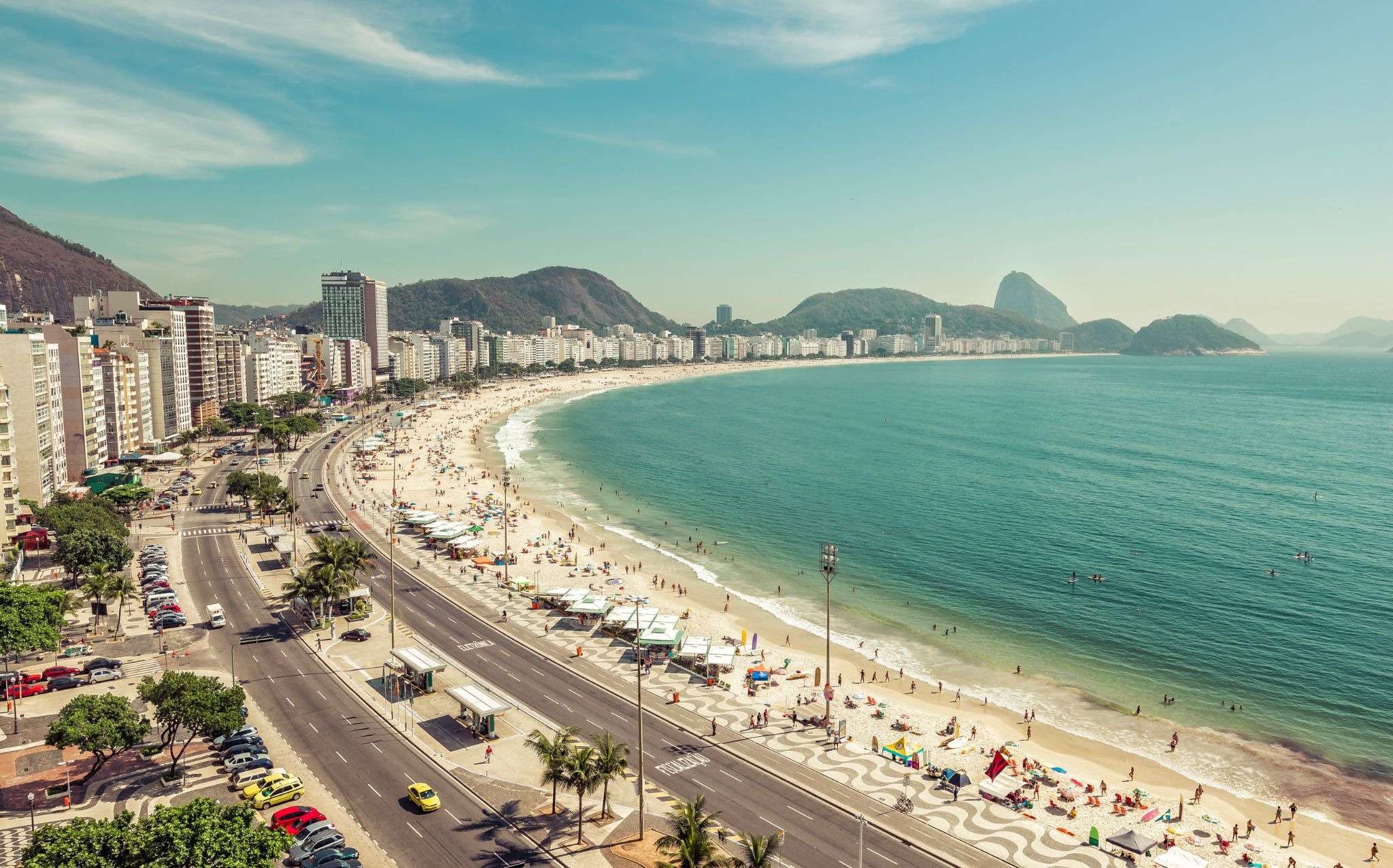
The Iconic Duo
You cannot talk about Brazil without mentioning Rio. While they are technically two different beaches, they sit side-by-side and offer the quintessential Brazilian experience.
- Copacabana: Energetic, historic, and bustling with kiosks and impressive sand sculptures.
- Ipanema: Trendier, flanked by the "Two Brothers" (Morro Dois Irmãos) mountains, and offers arguably the best sunset in the city at Arpoador rock.
Why it’s great for foreigners: The tourist infrastructure here is world-class. You will find English-speaking staff in hotels, endless dining options, and a heavy police presence (Safety Program) in the tourist zones.
- Best For: City lovers, people-watching, and nightlife.
- How to Get There: Fly into Galeão (GIG) or Santos Dumont (SDU) airports. Take an Uber or official taxi to the "Zona Sul" (South Zone).
2. Baía do Sancho (Fernando de Noronha)
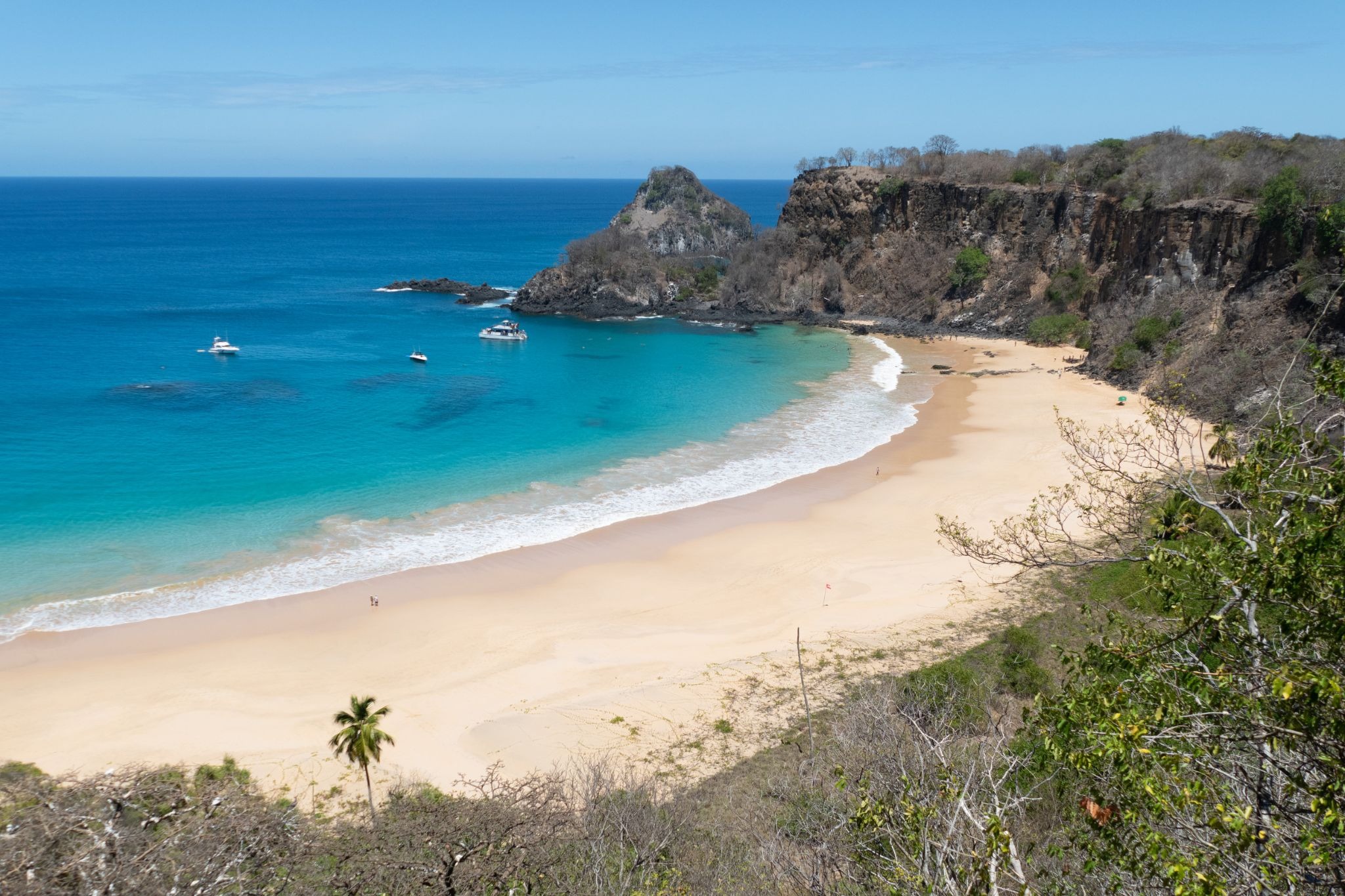
The "World’s Best Beach"
Consistently voted TripAdvisor’s "Best Beach in the World," Baía do Sancho is located on the volcanic archipelago of Fernando de Noronha. This is an eco-sanctuary with strict visitor limits, ensuring it remains pristine.
Why it’s great for foreigners: It is incredibly safe. Crime is virtually non-existent on the island. The exclusivity means a higher price tag, but also a hassle-free, high-end experience perfect for honeymooners.
- Best For: Diving, snorkeling, wildlife (dolphins and turtles), and exclusivity.
- How to Get There: Fly to Recife (REC) or Natal (NAT) and take a connecting flight to Fernando de Noronha (FEN). Note: You must pay an environmental preservation fee upon arrival.
3. Jericoacoara (Ceará)
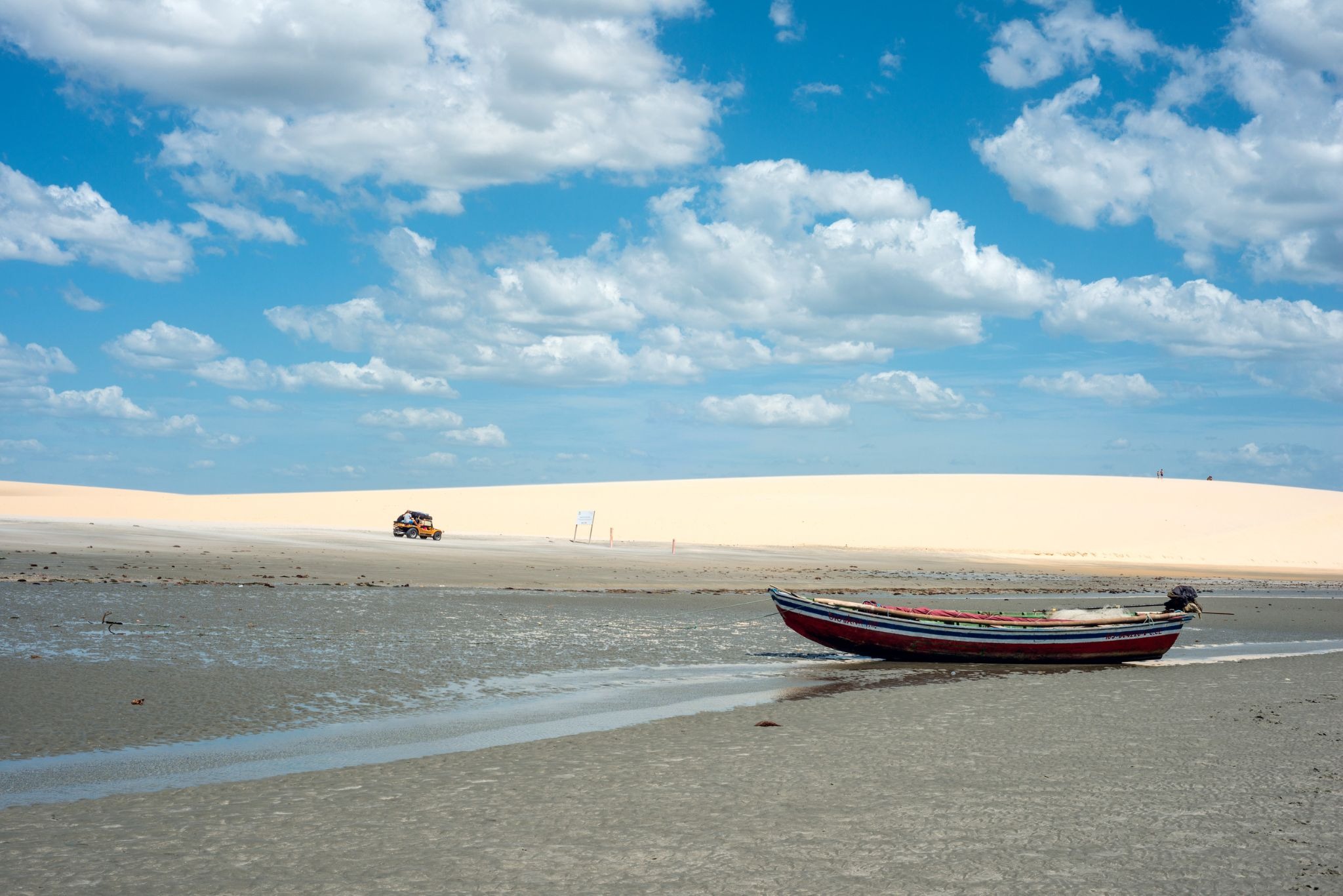
The Bohemian Paradise
Affectionately known as "Jeri," this former fishing village has transformed into a hip, sand-street hotspot. Located inside a national park, the streets are paved with sand, and the vibe is distinctively laid-back.
Why it’s great for foreigners: Jeri attracts a massive international crowd, especially windsurfers and kitesurfers. You will hear French, English, and German spoken as often as Portuguese. The village is walkable, safe, and filled with boutique hotels.
- Best For: Sunsets, kitesurfing, and nightlife.
- How to Get There: Fly into the regional Jericoacoara Airport (JJD). From there, you must take a 4x4 vehicle (transfer) across the dunes to reach the village.
4. Praia do Forte (Bahia)
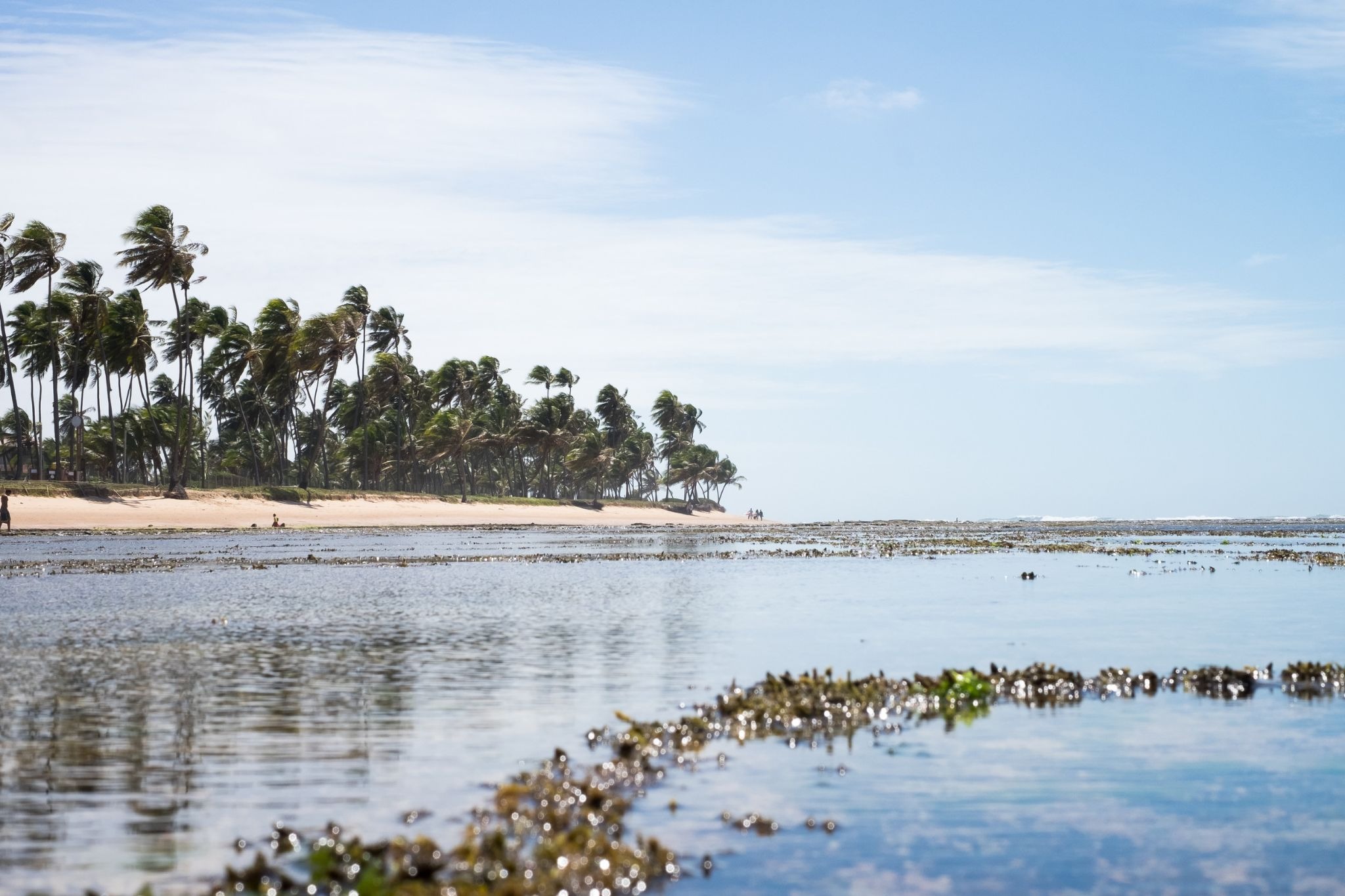
History, Turtles, and Resorts
Located about an hour north of Salvador, Praia do Forte is often called the "Brazilian Polynesia." It is a charming village with a pedestrian-only main street lined with cafes and shops, leading down to calm, warm waters.
Why it’s great for foreigners: It is very family-friendly and home to the TAMAR Project, a sea turtle sanctuary that visitors love. The area is dotted with high-end resorts (like Tivoli and Iberostar) that offer all-inclusive comfort for those who prefer staying close to their hotel.
- Best For: Families, history buffs, and eco-tourism.
- How to Get There: Fly into Salvador (SSA) and take a taxi or shuttle/transfer 80km north along the Coconut Highway (Estrada do Coco).
5. Maragogi (Alagoas)
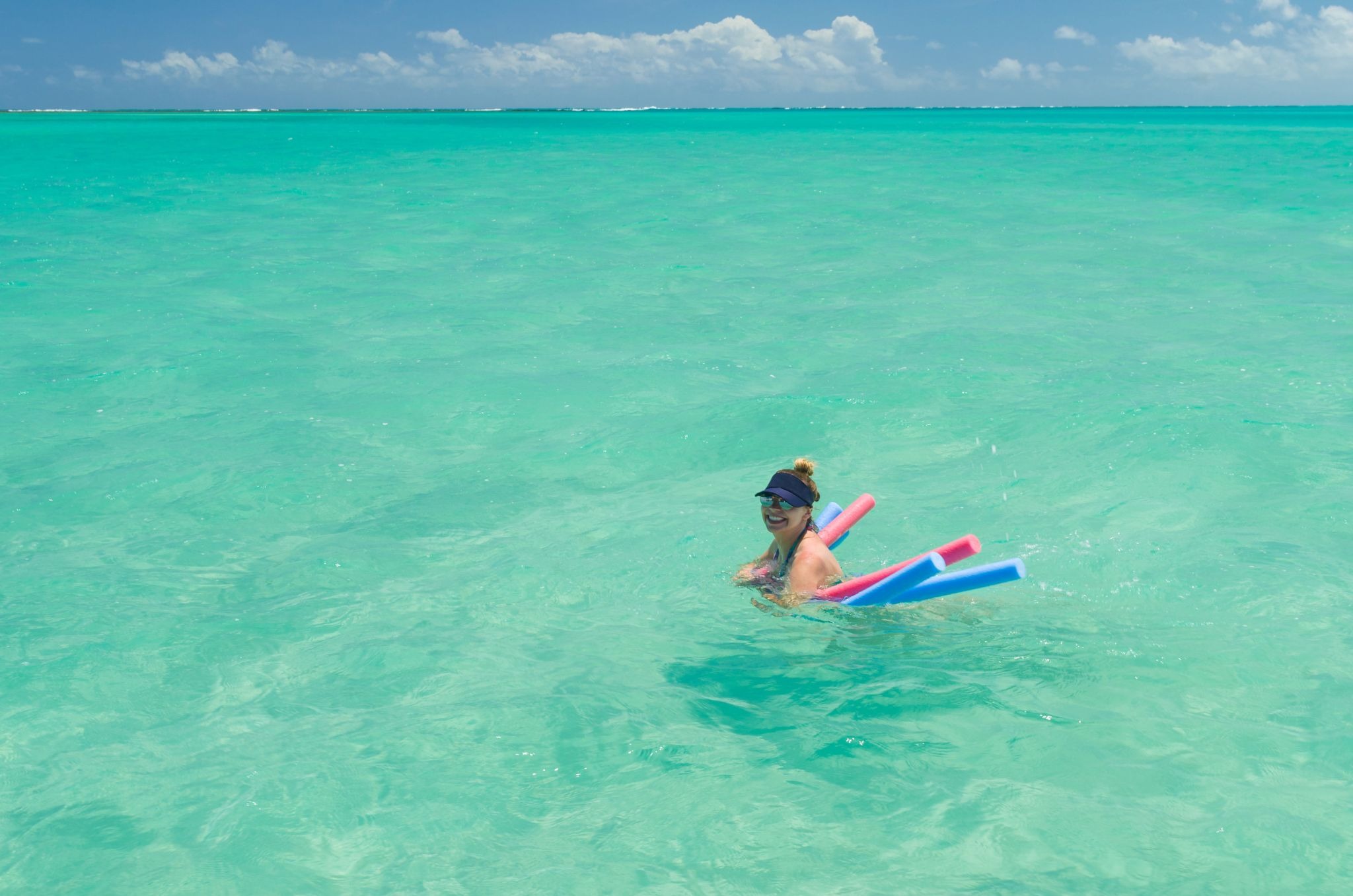
The Brazilian Caribbean
If you are looking for that impossible shade of turquoise blue, Maragogi is the place. Famous for its Galés (natural pools) formed by coral reefs, you can walk waist-deep in the ocean miles from the shore during low tide.
Why it’s great for foreigners: It offers the beauty of the Maldives with the culture of Brazil. It is a peaceful alternative to the busy city beaches. Several high-quality resorts cater specifically to international standards.
- Best For: Instagram photos, snorkeling, and relaxation.
- How to Get There: It is roughly halfway between Recife (REC) and Maceió (MCZ). Flying into either and taking a 2-hour transfer is standard.
6. Lopes Mendes (Ilha Grande)
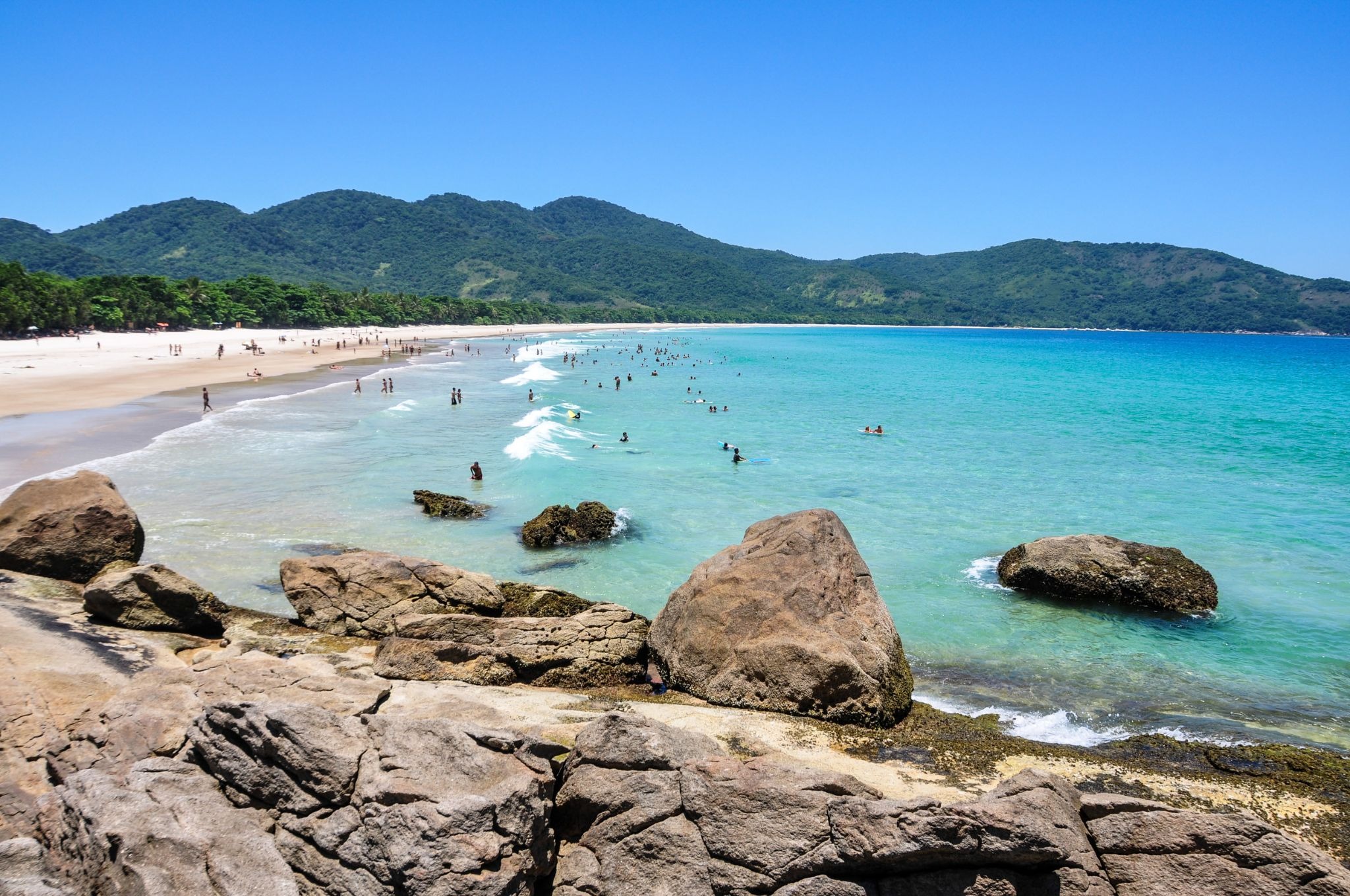
The Wild Beauty
Ilha Grande is a car-free island off the coast of Rio de Janeiro state. Lopes Mendes is its crown jewel—a vast stretch of white sand with no buildings, no roads, and no noisy bars. Just nature.
Why it’s great for foreigners: It’s a safe adventure. Since there are no cars on the island, you hike or take boats everywhere. It is a favorite for backpackers and luxury travelers alike who want to disconnect.
- Best For: Hikers, surfers, and nature purists.
- How to Get There: Take a bus/transfer from Rio de Janeiro to Angra dos Reis, then a ferry to the island (Vila do Abraão). From the main village, take a taxi-boat or hike to Lopes Mendes.
Brazil Beach Culture: What We Do
In Brazil, the beach is not just a place to swim; it is the town square. Here is what you need to know about the "beach lifestyle" to blend in:
The Setup
- No Towels: Brazilians rarely lay on fluffy towels. Instead, we use a Canga (a light, colorful sarong). You can buy one from a vendor right on the sand.
- Barracas: Most organized beaches have "Barracas" (tent kiosks). You can rent a chair and umbrella for a small fee. They often have table service, so you can order lunch without leaving your chair.
The Sports
You will see locals playing sports with incredible skill. Feel free to watch, or join in if you are brave!
- Altinha: A collaborative game played in a circle with a soccer ball. The goal is to keep the ball in the air using feet, knees, chest, and head (no hands!). It is not about winning; it's about flow and style.
- Frescobol: Played with two wooden paddles and a small rubber ball. It is cooperative—players work together to keep a fast-paced rally going as long as possible.
Vendor Etiquette
You don't need a cooler. Vendors will walk by selling everything from cold beer and water to grilled cheese and bikinis. A simple "Não, obrigado" (No, thank you) works if you aren't interested.
Taste of the Tropics: What to Eat & Drink
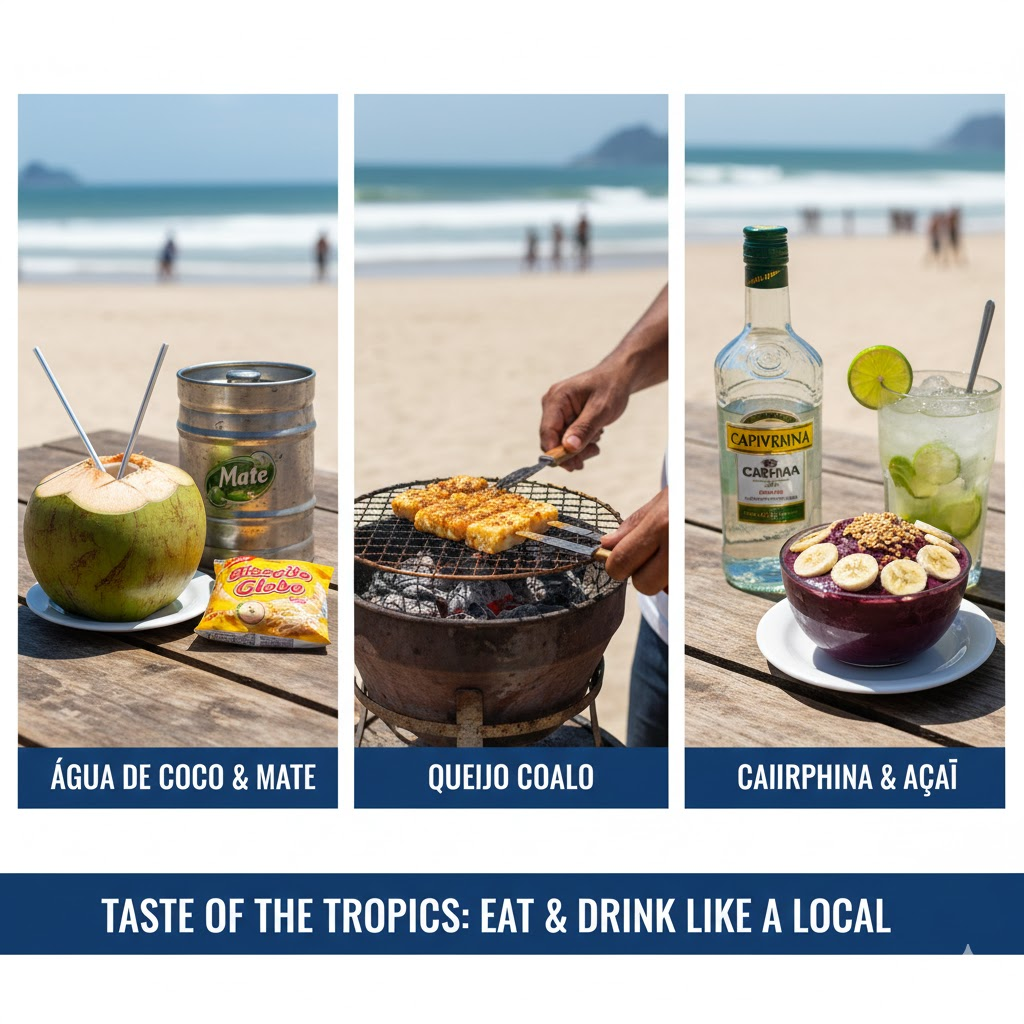
Don't leave the sand without trying these staples. They are safe, delicious, and part of the experience:
- Água de Coco (Coconut Water): Drunk straight from the green coconut. It’s the ultimate hydrator.
- Mate & Biscoito Globo: A Rio classic! Iced matte tea (often served from metal kegs carried by vendors) paired with a donut-shaped starch biscuit (salty or sweet).
- Queijo Coalho: A block of salty cheese grilled over charcoal right in front of you. It’s smoky, squeaky, and delicious.
- Caipirinha: The national cocktail made with Cachaça, lime, sugar, and ice. Warning: They are stronger than they taste!
- Açaí: The real deal. In Brazil, it's often served as a frozen sorbet, sometimes topped with granola or banana.
When to Go: A Seasonal Guide
Brazil is huge, so the weather varies by region.
- High Season (Dec - Mar): This is Summer. It is hot, festive, and expensive. Perfect for New Year's (Réveillon) and Carnival. The water is warmest, but crowds are at their peak.
- Shoulder Season (Apr - Jun & Sep - Nov): The "Goldilocks" zone. Prices drop, the weather is still warm (25°C-28°C), and beaches are quieter.
- Rainy Season:
- Northeast: April to July can be rainy.
- Rio/South: Winters (Jun-Aug) are drier but cooler (20°C-24°C).
What You Need: Practical Logistics
1. Health & Safety Essentials
- Yellow Fever: While not mandatory for entry, the Yellow Fever vaccine is highly recommended for most of Brazil (including Rio). Bring your vaccination card.
- Mosquitoes: Use repellent with DEET to protect against Dengue, especially at sunrise and sunset.
- Water: Never drink tap water. Stick to sealed bottled water or filtered water in restaurants.
- Dress Down: Leave the Rolex and diamond rings at home. Fit in by dressing casually.
- Phone Smarts: Avoid using your phone while walking on the sidewalk. Step into a shop if you need to check a map.
- Transport: Use Uber or 99 (local app). They are tracked, safer, and cheaper than hailing taxis on the street.
2. Money Matters (2025 Estimates)
- Currency: Brazilian Real (BRL).
- Cards: Accepted almost everywhere (even by beach vendors).
- Budgeting:
- Budget Traveler: $70 - $90 USD per day.
- Mid-Range: $150 - $200 USD per day.
- Beer on the beach: ~$2.50 USD.
- Caipirinha: ~$5.00 - $8.00 USD.
3. Packing Essentials
- High SPF Sunscreen: The tropical sun is unforgiving.
- Universal Adapter: Brazil uses Type N (mostly), but Type C (European two-prong) often fits. Voltage varies by city (Rio is 110V or 220V, Northeast is mostly 220V).
- Havaianas: Don't pack flip-flops; buy them there! They are cheaper and come in hundreds of styles.
- Language App: Download the Portuguese offline pack on Google Translate.
Ready for your tropical escape? Brazil welcomes you with open arms, warm waters, and a cold coconut. Boa viagem!
Written By:
Charlie Garnier

Hotels at your convenience
Now choose your stay according to your preference. From finding a place for your dream destination or a mere weekend getaway to business accommodations or brief stay, we have got you covered. Explore hotels as per your mood.