Top Tourist Places to Visit in Namibia: A Complete Guide for Your Next Adventure
 Arthur Rousseau
17 Apr, 2026
9 mins read
62
Arthur Rousseau
17 Apr, 2026
9 mins read
62
Are you looking for a travel destination that feels like another planet? Namibia is exactly that. It is a land of massive red dunes, ancient shipwrecks, and wildlife that has adapted to the desert. Unlike many crowded tourist spots, Namibia offers wide-open spaces and a sense of freedom that is hard to find anywhere else.
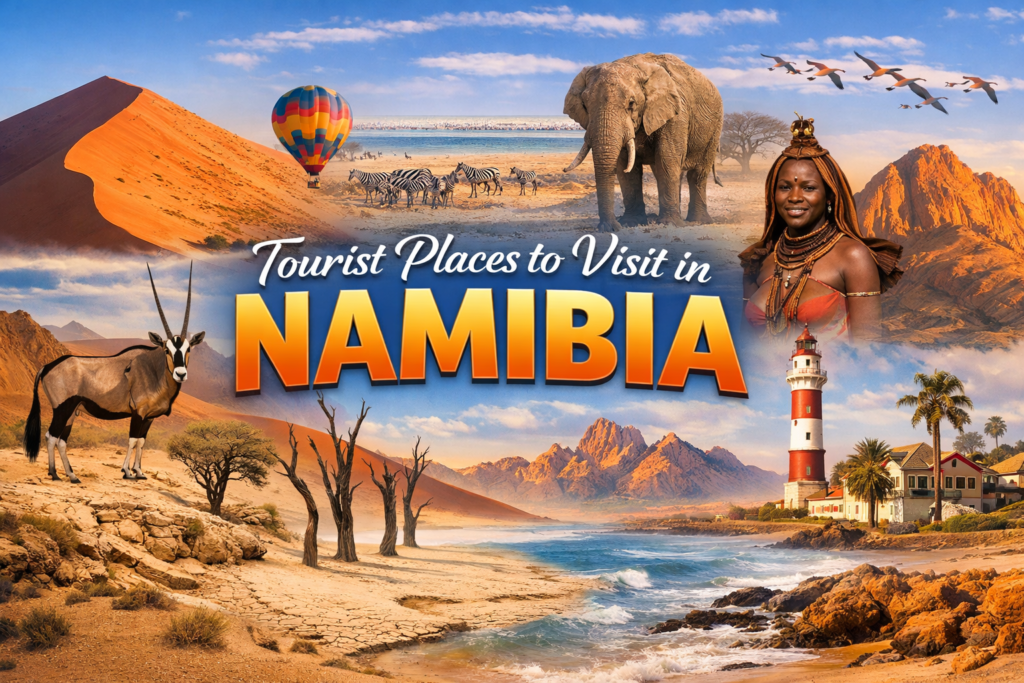
In this guide, we will explore the most iconic places to see in Namibia and answer the most common questions travelers ask before they pack their bags.
1. What makes Namibia a unique travel destination?
Namibia is one of the least densely populated countries on Earth. This means you can drive for hours and see nothing but breathtaking landscapes. It is home to the world’s oldest desert, the Namib, and offers a mix of German colonial history and vibrant local cultures. Whether you want to climb sand dunes or watch lions at a waterhole, Namibia has it all.
2. Where can you see the tallest sand dunes in the world?
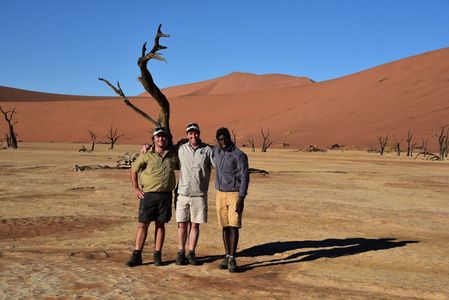
The answer is Sossusvlei. Located in the Namib-Naukluft National Park, this area is famous for its bright orange sand dunes. Some of them, like "Big Daddy," are over 300 meters high. Walking through Deadvlei, a white clay pan with 900-year-old dead trees, is a surreal experience that looks like a painting.
3. Is Etosha National Park the best place for a Namibia safari?
Yes, Etosha is the crown jewel of Namibia’s wildlife. What makes it special is the huge salt pan that is even visible from space. During the dry season, you don’t need to hunt for animals; you just park your car near one of the many waterholes and wait. You are likely to see elephants, giraffes, rhinos, and lions coming to drink.
4. Why is the Skeleton Coast called the "Gates of Hell"?
Portuguese sailors gave it this name because of the thick fog and rough Atlantic waves that caused many shipwrecks. Today, you can see the rusted remains of these ships scattered along the sand. It is a hauntingly beautiful place where the desert meets the ocean.
5. What can you expect to see at the Fish River Canyon?
This is the second-largest canyon in the world, surpassed only by the Grand Canyon in the USA. It is about 160 kilometers long and 550 meters deep. The views from the rim are spectacular, especially at sunrise. For the very fit, there is a famous 5-day hiking trail through the canyon floor.
6. Is Swakopmund really a slice of Germany in Africa?
It certainly feels like it! Swakopmund is a coastal town with German-style architecture, cozy bakeries serving Black Forest cake, and many people speaking German. It is also the adventure capital of the country. You can go sandboarding, quad biking, or even skydiving over the desert.
7. Can you visit a real "Ghost Town" in the Namib Desert?
Yes, you must visit Kolmanskop. Once a wealthy diamond-mining town, it was abandoned in the 1950s. Today, the desert sand is slowly filling up the houses. It is a dream spot for photographers who want to capture sand dunes inside old bedrooms and kitchens.
8. What secrets are hidden in the Twyfelfontein rock engravings?
Twyfelfontein is a UNESCO World Heritage site. It contains over 2,500 rock carvings made by ancient hunter-gatherers thousands of years ago. These carvings show animals like rhinos, elephants, and even seals, giving us a glimpse into the lives of the people who lived here long ago.
9. Why should you add Spitzkoppe to your Namibia itinerary?
Spitzkoppe is often called the "Matterhorn of Africa." It is a group of bald granite peaks that rise sharply out of the flat desert. It is a popular spot for camping under the stars, rock climbing, and seeing the famous "Rock Arch."
10. Where is the best place to see thousands of seals at once?
Head to the Cape Cross Seal Reserve. It is home to one of the largest colonies of Cape Fur Seals in the world. At certain times of the year, there can be over 200,000 seals on the beach. Just a quick tip: the smell is very strong, so bring a scarf to cover your nose!
11. How do you meet the traditional Himba tribes?
The Himba people live in the Kunene region of northern Namibia. They are famous for their intricate hairstyles and the red ochre paste they apply to their skin. Many tours allow you to visit a traditional village respectfully to learn about their customs and way of life.
12. What is the best time of year to visit Namibia?
The best time for wildlife viewing is the dry season, from May to October. The weather is cooler, and animals gather around the waterholes. If you want to see lush green landscapes and flamingos, the "green season" from January to March is also beautiful, though it can be very hot.
13. Is it safe for tourists to drive in Namibia?
Namibia is one of the safest countries in Africa for self-drive tours. The main roads are well-maintained, but many secondary roads are gravel. You need to drive slowly on gravel to avoid accidents. Always carry extra water and fuel, as towns can be far apart.
14. Do you need a 4x4 vehicle to explore Namibia?
While you can reach many places like Etosha and Swakopmund in a regular car, a 4x4 is highly recommended. It gives you more clearance on bumpy roads and is essential if you plan to drive into deep sand areas like Sossusvlei or the remote northwest.
15. How do I apply for a Namibia Tourist e-Visa easily?
Applying for your travel documents shouldn't be the hardest part of your trip. You can easily apply for your Namibia Tourist e-Visa online through a simplified process.
Why Choose Us for Your Namibia Visa?
Planning a trip is exciting, but paperwork can be stressful. We are here to make your journey to Namibia as smooth as possible.
- Reliable Travel Visa Services: Our global approach has successfully assisted numerous travelers in obtaining their Namibia Visa.
- Round-the-Clock Assistance: You are never alone. Reach out to us 24/7, and our experts will respond within 72 hours to solve any issues.
- Experienced Visa Consultants: Get expert guidance to ensure your application meets all requirements, significantly increasing your chances of acceptance.
- Efficient Visa Application Process: No need for complicated government portals. Apply for your Namibia Visa in minutes with our simplified, user-friendly form.
Ready to see the dunes? Start your application here: Apply for Namibia Tourist e-Visa
Written By:
Arthur Rousseau

Hotels at your convenience
Now choose your stay according to your preference. From finding a place for your dream destination or a mere weekend getaway to business accommodations or brief stay, we have got you covered. Explore hotels as per your mood.