Travel Smart
 Khanu Khanu
27 Jan, 2026
11 mins read
61
Khanu Khanu
27 Jan, 2026
11 mins read
61
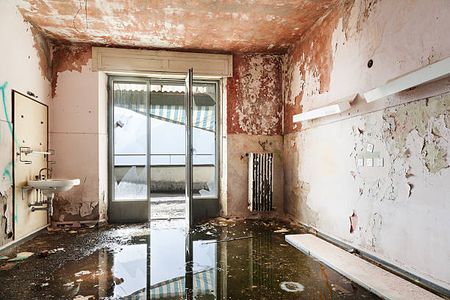
In dense urban areas, water damage doesn’t just affect one unit or one room—it often spreads vertically, horizontally, and silently. A leaking pipe in an upstairs apartment, a failed water heater in a condo, or a backed-up drain in a commercial space can impact multiple floors before anyone realizes what’s happening.
For property owners and managers in large metro areas like Los Angeles, understanding how and why water damage escalates is essential to limiting repair costs, liability, and long-term disruption.
Urban buildings create unique water damage risks
Los Angeles properties face challenges that aren’t always present in suburban or rural areas. Older infrastructure, high occupancy density, and mixed-use buildings all increase the complexity of water-related incidents.
Some common risk factors include:
- Aging plumbing systems with corroded or brittle pipes
- Multi-unit layouts where water travels into neighboring units
- Slab foundations that trap moisture below flooring
- Limited access to shutoff valves in older buildings
- Continuous occupancy that delays detection of slow leaks
Because water follows paths of least resistance, damage often extends far beyond the original source—making early response critical.
The difference between visible damage and real damage
One of the most dangerous assumptions after a leak is that “it doesn’t look that bad.” Water rarely stays where you see it.
Behind the scenes, moisture can:
- Wick upward through drywall and insulation
- Pool beneath flooring materials
- Soak into framing, subfloors, and cabinetry
- Travel through shared walls and utility penetrations
By the time stains, odors, or bubbling paint appear, the affected area is usually much larger. Addressing only visible damage often leads to recurring issues that surface weeks or months later.
How water damage impacts different types of properties
The consequences of water damage vary depending on how the space is used.
Residential properties
In homes and apartments, water damage often disrupts daily life. Flooring may need to be removed, walls opened, and rooms temporarily taken out of use. Personal belongings, furniture, and electronics are also at risk if moisture isn’t controlled quickly.
Commercial properties
For offices, retail spaces, and mixed-use buildings, water damage can interrupt operations, displace tenants, and create safety concerns. Even minor incidents can lead to lost revenue if spaces are closed for extended periods.
Multi-unit buildings
Condos and apartment complexes face added complications. A single leak can affect multiple units, increasing repair scope, coordination challenges, and potential disputes over responsibility.
Why speed matters more than severity
It’s not always the amount of water that determines the level of damage—it’s how long it remains in the structure.
Within the first 24–48 hours:
- Porous materials absorb moisture deeply
- Wood begins to swell and warp
- Metal components may start corroding
- Microbial growth becomes more likely
Prompt extraction and drying can often save materials that would otherwise need to be removed. Delays, even for “small” leaks, dramatically increase restoration time and cost.
What a thorough restoration process should include
Effective water damage restoration follows a structured, methodical approach. Skipping steps or rushing the process increases the risk of long-term issues.
A comprehensive response typically involves:
- Detailed inspection and moisture detection
- Tools like moisture meters and thermal imaging help identify hidden water pockets.
- Immediate water removal
- Standing water is extracted to stop further spread and absorption.
- Controlled drying and dehumidification
- Industrial equipment is placed strategically to dry materials evenly and efficiently.
- Selective removal of damaged materials
- Unsalvageable drywall, insulation, or flooring is removed to allow proper drying.
- Cleaning and odor control
- Affected surfaces are treated to reduce contamination and lingering smells.
- Ongoing monitoring
- Moisture levels are checked until materials reach safe, dry standards.
This process isn’t just about drying—it’s about restoring the space so problems don’t resurface later.
Insurance considerations in large metro areas
Water damage claims in cities like Los Angeles can be complex. Multiple units, shared systems, and high property values often mean closer scrutiny from insurers.
Property owners can help the process by:
- Documenting damage as soon as it’s discovered
- Avoiding permanent repairs until inspections occur
- Keeping records of drying progress and removed materials
Understanding the scope of damage from the beginning reduces disputes and speeds up recovery.
Planning ahead reduces disruption
Many water damage emergencies are unpredictable, but preparation still matters. Knowing where shutoff valves are located, having a response plan, and understanding what professional restoration involves can save valuable time when every minute counts.
For those looking to better understand professional response expectations and processes, this overview of�Los Angeles water damage restoration�offers helpful context on how comprehensive restoration is approached in large urban environments.
Conclusion: addressing water damage with the full picture in mind
In a city as dense and complex as Los Angeles, water damage is rarely isolated. What appears to be a small issue can quickly affect neighboring units, shared systems, and structural components if not handled correctly.
A fast, informed response—focused on detection, drying, and documentation—helps limit damage and restore spaces safely. By understanding how water behaves in urban buildings, property owners and managers are better equipped to act decisively when problems arise.
window.NREUM||(NREUM={});NREUM.info={"beacon":"bam.nr-data.net","licenseKey":"NRJS-3109bb2e2783f515265","applicationID":"558315209","transactionName":"blUHbEVQCxECBUVQWVcfMEpeHhARBhRCFlRVXwIXVEMAAxcDU1VZXh4VUEc=","queueTime":0,"applicationTime":150,"atts":"QhIEGg1KGB8=","errorBeacon":"bam.nr-data.net","agent":""}
Written By:
Khanu Khanu

Hotels at your convenience
Now choose your stay according to your preference. From finding a place for your dream destination or a mere weekend getaway to business accommodations or brief stay, we have got you covered. Explore hotels as per your mood.