Travel. Transform. Thrive.
 Khanu Khanu
29 Jan, 2026
8 mins read
51
Khanu Khanu
29 Jan, 2026
8 mins read
51
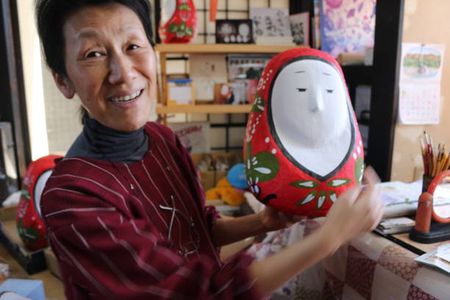
The Japanese doll industry is undergoing a major transformation. What was once a small, tradition-focused craft sector is now evolving into a diverse global business that blends heritage, design, technology, and modern consumer behavior. The Japan doll business today is no longer limited to local festivals or domestic collectors—it has become a multi-layered industry with international reach.
From traditional handcrafted dolls and premium collectibles to AI-powered smart dolls and lifestyle products, Japanese dolls are creating new opportunities in global markets. This evolution reflects how cultural products can adapt to modern business models while preserving their identity.
Historical Foundations of the Japan Doll Business
The Japanese doll business has deep roots in history. For centuries, dolls (ningyĹŤ) were produced by skilled artisans and sold primarily for:
- Seasonal festivals (such as Hinamatsuri)
- Religious and ceremonial purposes
- Gifts symbolizing protection and good fortune
These dolls were traditionally sold through local workshops, specialty shops, and cultural markets. The business model was artisan-centered, small-scale, and deeply tied to regional identity.
However, as Japan modernized and consumer behavior changed, the doll industry faced challenges such as declining birth rates, aging artisans, and reduced domestic demand. This pressure forced the industry to innovate—or disappear.
Market Transformation and Modern Business Models
The modern Japan doll business has diversified into several key segments:
1. Traditional Craft as Premium Product
Rather than competing with mass-produced toys, many doll makers repositioned traditional dolls as luxury cultural products. These dolls are now marketed as:
- Collectible art
- Cultural heritage items
- High-end home décor
By emphasizing craftsmanship, limited production, and cultural storytelling, businesses can justify premium pricing and attract global collectors.
2. Export and Global Market Expansion
International demand has become a major growth driver. Markets in Europe, the UK, the US, and parts of Asia show increasing interest in Japanese dolls as cultural and artistic objects.
E-commerce platforms, international exhibitions, and global shipping have allowed even small workshops to reach overseas customers directly. Storytelling and branding play a critical role in converting cultural interest into sales.
3. Designer and Collaboration Models
Collaborations between traditional artisans and modern designers have opened new revenue streams. These partnerships often produce:
- Limited-edition dolls
- Contemporary reinterpretations of classic designs
- Cross-industry collaborations (fashion, interior design, art)
Such collaborations help attract younger consumers and position dolls within modern lifestyle markets.
Technology and the Rise of Smart Doll Businesses
One of the most disruptive forces in the Japan doll business is technology. AI-powered and smart dolls represent a new product category that combines hardware, software, and emotional design.
These products are positioned not only as toys but as:
- Companionship devices
- Educational tools
- Elderly-care support products
From a business perspective, smart dolls introduce recurring revenue models such as:
- Software updates
- Subscription-based content
- App ecosystems
This shift transforms doll businesses from one-time product sales into long-term customer relationships.
Consumer Segments and Target Markets
The Japan doll business now serves a wide range of consumer groups:
- Collectors seeking rare or artisan-made dolls
- Lifestyle consumers interested in cultural décor
- Hobbyists who enjoy collecting, displaying, or customizing dolls
- Tech adopters interested in AI companions
- Institutions such as museums, schools, and care facilities
This diversification reduces reliance on a single market and increases long-term sustainability.
Branding and Storytelling as Business Strategy
Unlike mass-market toys, Japanese dolls rely heavily on narrative value. Successful businesses invest in:
- Brand storytelling
- Cultural education
- Artisan background and heritage
Consumers are not just buying a product—they are buying a story, a philosophy, and a cultural connection. This approach increases perceived value and brand loyalty.
Challenges Facing the Japan Doll Business
Despite its growth, the industry faces several challenges:
- Aging artisans and lack of successors
- Balancing authenticity with modernization
- Intellectual property and imitation products
- Ethical concerns in AI doll development
- Scaling production without losing craftsmanship
Addressing these challenges requires strategic planning, government support, and innovation-friendly policies.
Global Opportunities and Future Growth
The future of the Japan doll business looks promising, especially in global markets that value:
- Handmade craftsmanship
- Cultural authenticity
- Emotional and experiential products
Key growth opportunities include:
- Sustainable and eco-friendly production
- Digital marketing and direct-to-consumer sales
- Cross-cultural product development
- Smart home and healthcare integration
Japanese dolls are increasingly seen not just as products, but as cultural IP assets with long-term value.
Conclusion
The Japan doll business has successfully reinvented itself by embracing globalization, technology, and modern branding while maintaining cultural integrity. From traditional workshops to AI-driven startups, the industry demonstrates how heritage-based businesses can thrive in a modern economy.
As global consumers continue to seek meaningful, story-driven products, Japanese dolls stand as a powerful example of how culture and commerce can grow together. The Japan doll business is no longer just about dolls—it is about identity, innovation, and global connection.
Written By:
Khanu Khanu

Hotels at your convenience
Now choose your stay according to your preference. From finding a place for your dream destination or a mere weekend getaway to business accommodations or brief stay, we have got you covered. Explore hotels as per your mood.