Traveler Guide to Chinese Calm Gardens Lakes and Mountains
 Luna Jack
13 Jan, 2026
7 mins read
106
Luna Jack
13 Jan, 2026
7 mins read
106
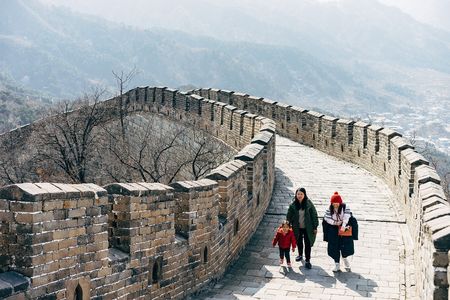
China is often imagined as a land of bustling megacities, neon skylines, and fast-paced modern life. While that side of the country certainly exists, there is another, quieter China waiting to be discovered—one shaped by balance, harmony, and a deep connection with nature. From classical gardens and serene lakes to mist-covered mountains, China offers countless spaces where travellers can slow down, breathe deeply, and experience a profound sense of calm.
This guide explores how gardens, lakes, and mountains form the soul of China’s tranquil landscapes, offering restorative experiences for travellers seeking peace rather than crowds.
The Philosophy Behind Chinese Calm
The idea of calm in China is closely tied to traditional philosophies such as Taoism and Confucianism, which emphasise balance between humans and nature. Landscapes are not just admired for beauty but respected as living expressions of harmony. Whether it’s a carefully designed garden or a wild mountain range, these places invite reflection, mindfulness, and inner stillness.
Travelling through China’s calmer spaces is not about ticking off landmarks—it’s about observing, feeling, and being present.
Classical Chinese Gardens: Designed for Stillness
Chinese gardens are masterpieces of quiet design. Unlike large open parks, classical gardens are intimate spaces where every rock, pond, bridge, and tree is placed with intention. They are meant to be explored slowly, revealing new views at every turn.
Suzhou’s classical gardens are among the most famous examples. Stone pathways wind past koi-filled ponds, bamboo groves, and elegant pavilions. The gardens feel almost meditative, encouraging visitors to pause, sit, and listen to the sound of water or rustling leaves.
What makes these gardens special is their ability to feel timeless. Even when surrounded by modern cities, stepping into a classical garden feels like entering another era—one where calm was carefully cultivated.
Lakes That Reflect More Than Landscapes
China’s lakes are central to its sense of tranquillity. They are often surrounded by temples, walking paths, and teahouses, creating spaces where locals and travellers alike come to unwind.
West Lake in Hangzhou is perhaps the most iconic example. Willow trees line the water’s edge, stone bridges arch gracefully across the lake, and distant hills fade into soft mist. Early mornings and evenings are especially peaceful, when the crowds thin and the lake mirrors the changing sky.
Other lakes, such as Erhai Lake in Yunnan or Qinghai Lake on the Tibetan Plateau, offer a different kind of calm—vast, open, and deeply grounding. Here, the sense of space itself becomes soothing, reminding travellers how small they are within nature’s scale.
Mountains as Sanctuaries of Silence
Mountains hold a sacred place in Chinese culture. For centuries, monks, poets, and philosophers retreated to the mountains in search of wisdom and clarity. Today, these landscapes continue to offer travellers a chance to disconnect from noise and reconnect with themselves.
Huangshan (Yellow Mountain) is famous for its granite peaks, ancient pine trees, and rolling seas of cloud. Watching sunrise here, as light slowly spills over the mountains, is an experience that feels both humbling and peaceful.
Further west, the mountains of Sichuan and Yunnan provide quieter alternatives. Sacred peaks, forested trails, and remote monasteries create an atmosphere where silence feels natural rather than empty. Hiking these regions is less about physical challenge and more about immersion in stillness.
Tea, Walking, and Slow Travel
Chinese calm is not limited to landscapes; it’s also found in everyday rituals. Tea culture, for example, is deeply connected to mindfulness. Sitting in a teahouse overlooking a garden or mountain slope, sipping tea slowly, is a simple yet powerful way to experience calm.
Walking is another essential part of slow travel in China. Lakeside paths, mountain trails, and garden corridors are designed for wandering without urgency. Travellers who allow themselves to move at this slower pace often discover a deeper appreciation for their surroundings.
Planning a Calm-Focused Journey
Exploring China’s quieter side requires thoughtful planning, especially in a country as large and diverse as this. Choosing the right destinations, travel times, and accommodation can make all the difference between a rushed trip and a restorative one.
Intochinaplan acts as your smart travel companion for China, where expert insight meets seamless planning. Built for curious travellers worldwide, it provides multilingual guidance on places to visit, where to stay, how to get around, and visa essentials—personalised for your journey.
With the right approach, it becomes easier to prioritise peaceful regions, scenic routes, and experiences that align with a slower, more mindful style of travel.
When to Experience Chinese Calm
Timing plays a key role in finding tranquillity. Spring and autumn are ideal seasons, offering mild weather and softer light that enhances gardens, lakes, and mountain scenery. Early mornings are often the calmest, especially in popular destinations, when locals practise tai chi, walk quietly, or simply sit in reflection.
Avoiding national holidays and peak travel periods also helps maintain the sense of serenity these places are meant to provide.
Final Thoughts
China’s calm is subtle, layered, and deeply rewarding. It lives in the still surface of a lake, the quiet curve of a garden path, and the silent strength of ancient mountains. For travellers willing to slow down, observe, and move with intention, these landscapes offer more than beauty—they offer balance.
A journey through China’s gardens, lakes, and mountains is not just a physical trip, but an invitation to experience calm in its most timeless form
Written By:
Luna Jack

Hotels at your convenience
Now choose your stay according to your preference. From finding a place for your dream destination or a mere weekend getaway to business accommodations or brief stay, we have got you covered. Explore hotels as per your mood.