Traveling the Silk Road in Tajikistan
 Sara Saroshk
19 Feb, 2026
9 mins read
66
Sara Saroshk
19 Feb, 2026
9 mins read
66
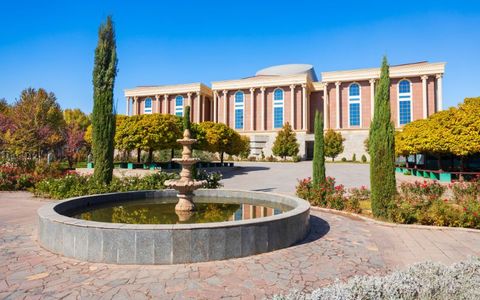
Tajikistan doesn’t announce itself. It doesn’t try to impress you at the border, and it doesn’t soften the edges for visitors. That’s exactly why traveling the Silk Road here feels real. You’re not following a polished route with signs and souvenir stops. You’re tracing fragments—old valleys, high passes, villages that still live at Silk Road speed.
I’ve crossed Tajikistan by shared taxi, old 4WD, and once in the back of a truck when nothing else showed up. Each time felt different, but the rhythm stayed the same: slow movement, big landscapes, and moments where you realize how far from “easy travel” you actually are.
This isn’t a place for rushing. It rewards patience and curiosity.
What the Silk Road Means in Tajikistan (On the Ground)
In Tajikistan, the Silk Road isn’t a single trail. It’s a web of valleys and passes that once connected China, Central Asia, and Persia. Today, it mostly follows mountain roads—some paved, some barely hanging on.
You’ll feel it strongest in the east, along the Pamirs. Not because of ruins or museums, but because the land still dictates movement. Traders once planned journeys based on weather and altitude. You’ll do the same.
Most people imagine Silk Road travel as caravans and cities. Tajikistan offers something else: the in-between spaces.
Starting Point: Dushanbe
Dushanbe is where most journeys begin. It’s relaxed, leafy, and not especially dramatic—but that’s a good thing. You’ll want to rest here before heading east.
Practical advice:
- Sort permits early, especially the GBAO permit for the Pamirs. This is where trips often go wrong.
- Stock up on basics. ATMs become rare quickly.
- Don’t over-plan your first day. Jet lag plus altitude adjustment is real.
One small moment I remember clearly: sitting in a teahouse near Rudaki Avenue, watching drivers negotiate routes for the next morning. Everyone had a different plan. None of them were certain. That’s normal here.
The Pamir Highway: Backbone of the Journey
The Silk Road experience in Tajikistan centers on the Pamir Highway, one of the world’s highest international roads. It’s rough in places, stunning almost everywhere.
From Dushanbe, you’ll pass through Khorog, the unofficial capital of the Pamirs. It’s small, friendly, and a natural pause point. Travelers linger here longer than planned. The slower pace sneaks up on you.
Beyond Khorog, the road climbs higher, wider, emptier.
This is where most people underestimate distances. What looks close on a map can take a full day. Landslides, river crossings, and weather decide the schedule—not you.
Wakhan Valley: Where the Silk Road Feels Alive
If there’s one stretch that captures the spirit of Silk Road travel, it’s the Wakhan Valley.
You drive with Afghanistan just across the river. Villages dot the valley floor. Kids wave. Donkeys wander onto the road without apology.
Most people miss the smaller detours here. Take them.
Short hikes lead to ancient shrines, petroglyphs, and viewpoints where nothing feels staged. I once shared lunch with a family who spoke three languages and had hosted travelers for years without ever advertising it.
Warning: Accommodation here is basic. Clean, welcoming, but simple. If you expect hotel comforts, you’ll be frustrated. If you expect connection, you’ll be rewarded.
High Pamirs: Empty, Stark, Honest
East of Khorog, toward Murghab, the landscape changes fast. Trees disappear. The air thins. Villages spread far apart.
This is where travelers struggle most—not because it’s dangerous, but because it’s emotionally quiet. The scenery is vast and repetitive. Wind replaces conversation.
You’ll feel small here. That’s part of the experience.
Real talk:
- Altitude headaches are common. Slow down.
- Nights get cold even in summer.
- Food options narrow quickly. Expect lots of bread, soup, and tea.
But mornings? Clear, silent, unforgettable.
Getting Around: Flexibility Over Comfort
Forget strict schedules. Shared taxis leave when full. Drivers change routes based on road conditions. Plans adjust daily.
Hiring a driver gives flexibility, but it’s not a luxury—more a safety and logistics choice. Self-driving is possible, but only if you’re comfortable with remote conditions and mechanical surprises.
This is not a place to save time. It’s a place to spend it.
Traveling With Family: Is It Realistic?
Surprisingly, yes—with preparation.
I’ve met families traveling the Pamirs slowly, staying in homestays, breaking up drives, and adjusting expectations. Older kids do better than very young ones.
For travelers considering Tajikistan family vacation packages, the key is pacing. Fewer destinations. More nights in each place. And clear communication about conditions.
This is not Disneyland. But it is deeply educational in a way few places are.
Best Time to Travel the Silk Road in Tajikistan
- June to September is the main season.
- July and August offer the most reliable weather but also more traffic.
- June and September are quieter but colder at night.
Outside these months, roads can close unexpectedly. Snow doesn’t negotiate.
Final Thoughts
Traveling the Silk Road in Tajikistan strips travel down to essentials: movement, shelter, food, conversation. You won’t tick many boxes, but you’ll remember the pauses—the long drives, shared meals, quiet evenings at altitude.
If you want comfort, go elsewhere. If you want meaning, go slow here.
Plan carefully. Stay flexible. And give yourself time to let the landscape do its work.
FAQs: Traveling the Silk Road in Tajikistan
1. Do I need a special permit to travel the Pamirs?
Yes. The GBAO permit is required and should be arranged before traveling east of Dushanbe.
2. Is the Pamir Highway safe for travelers?
Generally yes, but conditions change quickly. Weather and road quality matter more than crime.
3. How many days should I allow for the Silk Road route?
At least 10–14 days for Dushanbe to Murghab with stops. More if you explore side valleys.
4. Can I travel independently without a tour?
Yes, but expect logistical challenges. Many travelers combine independent planning with local drivers.
5. What is accommodation like along the route?
Mostly homestays—simple, clean, and welcoming. Don’t expect luxury.
6. Is Tajikistan suitable for first-time Central Asia travelers?
It’s better for those with some experience in remote or developing regions.
7. Will language be a problem?
Russian is widely spoken. English is limited outside major towns, but gestures and patience go far.
Written By:
Sara Saroshk

Hotels at your convenience
Now choose your stay according to your preference. From finding a place for your dream destination or a mere weekend getaway to business accommodations or brief stay, we have got you covered. Explore hotels as per your mood.