Traveling to India: A Complete Guide
 Sumantha Caroline
06 Sep, 2025
12 mins read
108
Sumantha Caroline
06 Sep, 2025
12 mins read
108
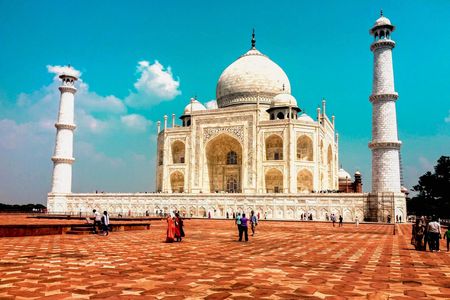
India is one of those places that stays with you long after you leave. It is a country of contrasts, where ancient temples sit alongside crowded train stations, and where serene Himalayan trails give way to bustling bazaars filled with color and sound. Traveling through India can feel overwhelming at first, but it is also gratifying if you take the time to prepare and embrace the experience. This guide brings together practical advice, cultural insights, and expert voices to help you make the most of your journey.
Why India Captures the Imagination
India draws millions of travelers each year because it offers a range of experiences you rarely find in one country. Tourism numbers reflect this growth. According to official data, foreign arrivals jumped from about 1.5 million in 2021 to more than 6 million in 2022 as borders reopened. The appeal is obvious. The landscapes stretch from the snowy Himalayas in the north to the tropical beaches of Goa and Kerala in the south. Historic forts, bustling cities, and sacred rivers provide a sense of scale that is hard to put into words.
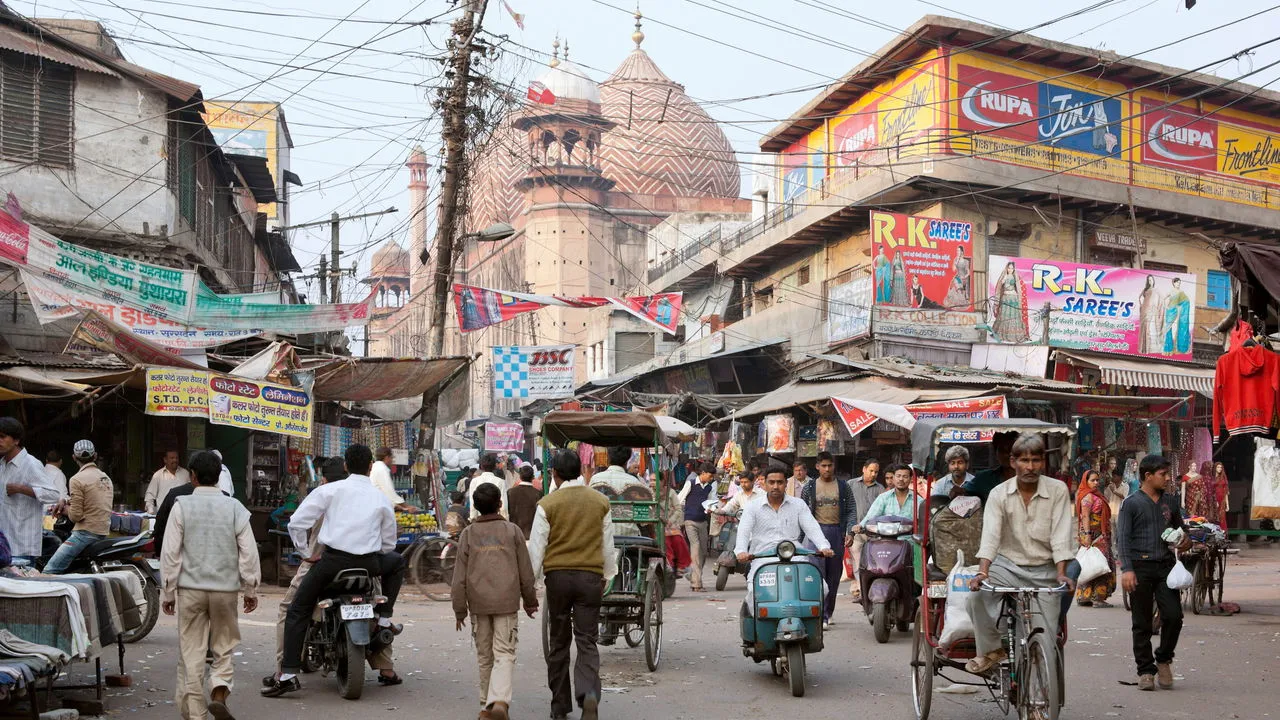
Travelers who have experienced the country firsthand often stress how affordable it is. Oliver Morrisey shared, Tours are very cheap, food is cheap. Parts of the country look like some sort of magical picture book, especially the Ghat regions. India can surprise you with its hospitality, culinary diversity, and sheer variety of things to see. But this same variety can overwhelm newcomers if they try to take in too much at once.
When and Where to Go
Picking the right time makes a huge difference. Most travelers agree the best months for general sightseeing are between October and March when temperatures are cooler. Wildlife lovers may prefer March through June, while the monsoon season from June to August offers lush landscapes, fewer crowds, and lower costs.
Travel specialists James Jayasundera and Sanjay Saxena put it best when they said, There's no bad time to visit. Their advice is to plan your trip based on the experiences you want rather than chasing perfect weather. If you want vibrant festivals, Diwali in autumn and Holi in spring transform entire cities into living celebrations. If you prefer nature, the monsoon will reward you with dramatic scenery and fewer tourists.
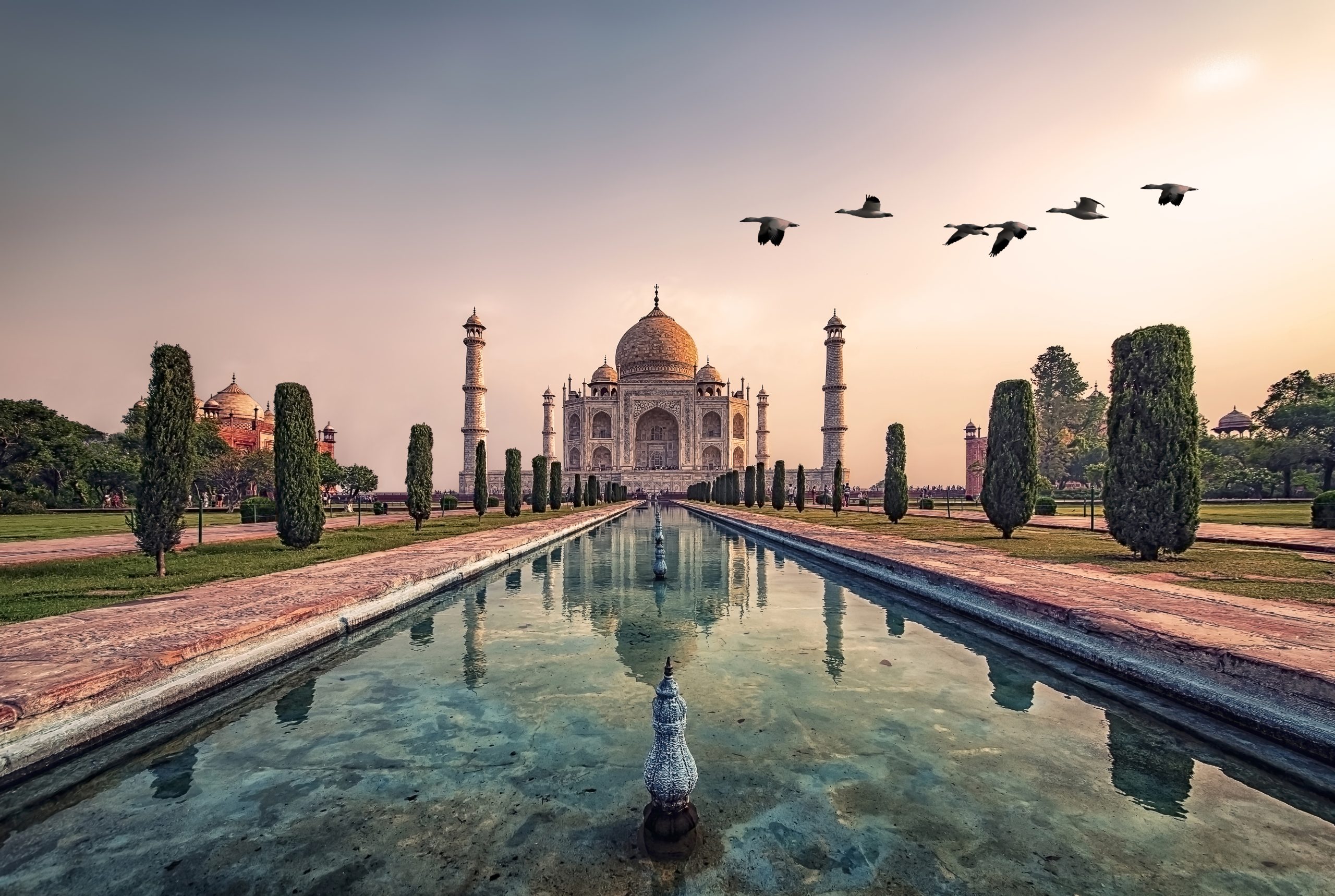
Another common tip from experts is to avoid trying to “see all of India" in one trip. The country is simply too vast. Concentrate on a single region and explore it properly. Many first-time visitors choose the Golden Triangle of Delhi, Agra, and Jaipur, which covers iconic landmarks like the Taj Mahal and Amber Fort. Others prefer Kerala for its backwaters and coastal charm. Adventure seekers might lean toward the Himalayan states or the northeast, where living root bridges and tribal festivals offer something very different from the main tourist circuits.
Safety and Practical Preparation
India is safe for most travelers, but it does require awareness and preparation. Governments such as the United States and Canada advise increased caution due to crime and terrorism concerns in some areas. Border regions and parts of Kashmir are often flagged as avoidable.
The practical steps are straightforward. Carry travel insurance, keep copies of your documents, and register with your embassy’s travel program if available. Health preparation is equally important. Bring basic medical supplies such as hand sanitizer, cold medication, and stomach remedies. One family who traveled with young children admitted they missed cultural highlights because they had not prepared enough for illnesses on the road.
Respectful behavior goes a long way, too. Dress modestly, especially at religious sites, and ask before taking photos of people. Many visitors are surprised by how warmly locals respond when they see effort being made to follow local customs.
Responsible travel is becoming more visible in India. Eco-conscious visitors are encouraged to explore places like Sikkim, Mawlynnong, and Munnar, which promote sustainable tourism. Avoid attractions that exploit wildlife, such as elephant rides, and instead seek out sanctuaries or guided treks that protect natural habitats.
What to See Beyond the Obvious
India's landmarks are world famous, but some of its most memorable experiences lie off the beaten path. In Rajasthan, the Karni Mata Temple, where rats are considered sacred, offers a glimpse into unique local beliefs. In Meghalaya, the living root bridges built from tangled tree roots feel like something out of a fantasy novel. Trekking at night in Kerala's Periyar Wildlife Sanctuary, watching turtles nest in Odisha, or attending the Hornbill Festival in Nagaland are experiences that linger long after your trip ends.
Even well-known places have unexpected layers. In Varanasi, mornings on the ghats reveal a rhythm of life tied to the sacred Ganges that is both intimate and profound. In Ladakh, Magnetic Hill creates an optical illusion where cars seem to roll uphill. These kinds of details remind travelers that India’s charm lies as much in small discoveries as in grand monuments.
Traveling during off-season months can be equally rewarding. Goa during the monsoon is lush and tranquil compared to the crowded beaches of winter. Rajasthan in spring offers discounted stays in heritage hotels. Darjeeling’s tea estates, the backwaters of Kerala, and even wildlife parks like Ranthambore take on a different personality when crowds thin out.
Insights From Experts and Travelers
Expert voices give depth to the conversation about India. James Myers and Marcus Denning emphasize longer stays of six to sixteen days, focusing on depth rather than speed. They caution against overpacking itineraries, suggesting that travelers leave time for chance encounters and unplanned discoveries.
Travel writer Monisha Rajesh, who famously wrote Around India in 80 Trains, highlights the value of train travel. Her journeys reveal India’s extremes, from chaotic urban hubs to remote mountain towns. Trains are not just transport; they are moving microcosms of Indian society where you witness everyday life unfold.
Historian Raaja Bhasin provides a perspective on colonial hill stations like Shimla. He explains that beyond the architecture and cool climate, these towns reflect a layered history where British, Indian, and local cultures intersected. His insights remind travelers that India’s heritage is not frozen in time but constantly evolving.
One traveler’s candid reflection on Reddit summed up the paradox of India well: “It was hard… but the food, the people, the history were amazing.†That honesty captures why so many return despite challenges. India is demanding, but it rewards you with stories and experiences that cannot be found anywhere else.
A Sample Itinerary
If you have around ten days, a balanced plan might look like this:
- Days 1- 3: Delhi. Explore Old Delhi's bazaars, Humayun's Tomb, and take a heritage walk to understand the layered history of the capital.
- Days 4-6: Jaipur and Agra. See the Taj Mahal at sunrise, tour Jaipur’s palaces, and take time to wander local markets.
- Days 7-8: Kerala's backwaters or Meghalaya's living root bridges. Both offer a slower pace and a deep connection to nature.
- Days 9-10: Wildlife trek in Ranthambore or a spiritual retreat in Rishikesh, depending on your interests.
This itinerary gives you a mix of history, nature, and cultural immersion without rushing. The most important thing is to allow for flexibility. India often throws unexpected opportunities your way, whether that is stumbling on a village festival or being invited to share tea with locals.
Final Thoughts
Traveling to India is not about ticking off landmarks. It is about letting yourself be absorbed by a country that is as frustrating as it is fascinating. It requires patience, preparation, and an open mind, but the payoff is immense. Expert voices remind us to travel slowly, stay longer, and make respectful choices that support local communities.
As you plan your trip, remember that what makes India unforgettable is not only its iconic sites but the small, human moments you encounter along the way. Leave space in your schedule, stay curious, and you will find that India gives back more than you could ever expect.
Written By:
Sumantha Caroline

Hotels at your convenience
Now choose your stay according to your preference. From finding a place for your dream destination or a mere weekend getaway to business accommodations or brief stay, we have got you covered. Explore hotels as per your mood.