UNESCO World Heritage Sites in Poland
 Sara Saroshk
19 Feb, 2026
10 mins read
132
Sara Saroshk
19 Feb, 2026
10 mins read
132
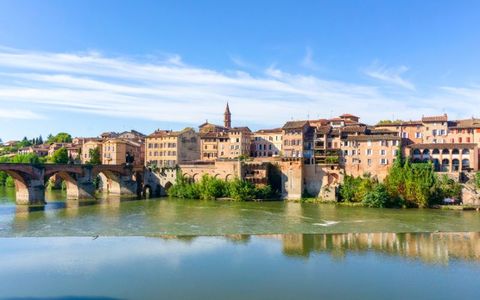
Poland’s UNESCO sites aren’t flashy in the way people expect. They don’t shout for attention or overwhelm you with spectacle. Instead, they sit quietly in cities, forests, and small towns, woven into everyday life. You walk past apartment blocks, cafés, and tram lines—and suddenly you’re standing inside a place that has survived centuries of war, collapse, and rebuilding.
I’ve visited many of these sites over different trips, sometimes intentionally, sometimes almost by accident. What stands out isn’t just the history. It’s how normal life continues around places that carry enormous weight.
This is where Poland does things differently.
Historic Centre of Kraków: Start Here, But Stay Curious
Kraków’s Old Town is usually the first UNESCO site people see in Poland, and for good reason. The Main Market Square is huge. St. Mary’s Basilica dominates the skyline. Everything looks carefully preserved.
But here’s where trips often go wrong: people treat it like a postcard and move on.
Spend time beyond the square. Walk early in the morning, before the day-trippers arrive. I once crossed the square just after sunrise, with delivery vans replacing tour groups and café staff setting out chairs in silence. Same place. Completely different mood.
Don’t skip Kazimierz, either. It’s part of the historic fabric, not an add-on.
Wieliczka Salt Mine: More Surprising Than It Sounds
A salt mine doesn’t sound exciting. I know. But Wieliczka is one of those places that wins you over slowly.
You descend deeper than expected. Tunnels stretch on. Chambers open suddenly, carved entirely from salt—walls, floors, chandeliers. There’s even a chapel that feels strangely serene underground.
Small warning: It’s popular for a reason. Book ahead and brace for groups. The experience improves if you stay toward the back and let others rush ahead.
Most people miss the scale. This isn’t a quick stop—it’s an underground city.
Auschwitz-Birkenau: Heavy, Necessary, Unavoidable
This is not a “sight” in the casual sense. Visiting Auschwitz-Birkenau is emotionally demanding, and it should be.
The scale doesn’t fully register until you walk it. The silence feels intentional. Even crowded days carry a sense of restraint.
My advice: go with a guide, but give yourself quiet time afterward. Don’t stack this visit between lunch plans or other attractions. This is where trips often go wrong—people underestimate the emotional impact.
It’s not about checking a box. It’s about bearing witness.
Białowieża Forest: Europe, Before Us
Białowieża Forest feels different from the moment you step in. Trees are older, taller, and less orderly than elsewhere in Europe. Fallen trunks are left where they fall. Nature decides what stays.
This forest straddles the border with Belarus and is one of the last remaining primeval forests on the continent. You need a guide to access the strict reserve—and you should take one.
I remember standing quietly while a guide pointed out subtle signs of bison movement. Nothing dramatic happened. That was the point.
Most people miss this site because it’s remote. That’s also why it matters.
Historic Centre of Warsaw: Reconstruction as Heritage
Warsaw’s Old Town looks old. It isn’t.
After World War II, it was almost entirely rebuilt using paintings, drawings, and memory. What UNESCO recognizes here isn’t age—it’s resilience.
Walk the streets with that in mind and the experience changes. You’re not admiring untouched history; you’re walking through a collective decision to rebuild identity.
I like visiting in the evening, when locals reclaim the space and the narrative shifts from tragedy to continuity.
Malbork Castle: Big, Bold, and Easy to Underestimate
Malbork Castle is massive. Photos don’t prepare you.
Built by the Teutonic Knights, it dominates the surrounding town and demands time. Too many people rush through the main halls and miss the details—courtyards, defensive layers, quieter corners.
Tip: Give it half a day. Less feels rushed.
It’s one of those places where scale slowly sinks in the longer you stay.
Churches of Peace: Fragile by Design
The Churches of Peace in Jawor and Świdnica were built under strict limitations—no stone, no towers, no bells. They were meant to be temporary.
They weren’t.
Made largely of wood and clay, they’ve survived centuries. Walking inside feels intimate. Warm. Almost domestic compared to grand cathedrals.
Most people miss these because they’re off the main tourist routes. They’re worth the detour.
Wooden Churches of Southern Lesser Poland: Quiet Craftsmanship
Scattered across villages, these wooden churches blend into the landscape. You won’t stumble upon them accidentally—you have to look.
That effort pays off. Each one reflects local materials, traditions, and patience. No two feel the same.
I visited one on a gray afternoon, rain tapping softly on the roof while a caretaker explained restoration work. It was simple. Memorable.
Planning Your Route Without Burning Out
Poland’s UNESCO sites are spread out. Trying to see them all in one trip is ambitious—and exhausting.
Group them by region. Build in rest days. Let cities like Kraków or Gdańsk act as anchors.
For travelers interested in Poland historical sightseeing tours, the real value comes from pacing. These places carry weight. Give them room.
Final Thoughts
Poland’s UNESCO sites don’t compete for your attention. They wait for it.
Some impress immediately. Others unfold slowly. A few challenge you in ways travel usually doesn’t.
Choose thoughtfully. Stay longer than planned. And don’t confuse “historic” with “distant.” In Poland, history is close, layered, and still part of daily life.
FAQs: UNESCO World Heritage Sites in Poland
1. How many UNESCO World Heritage Sites does Poland have?
Poland currently has over a dozen UNESCO-listed sites across cultural and natural categories.
2. Which site should I prioritize if I have limited time?
Kraków’s Historic Centre is the easiest and most versatile starting point.
3. Are guided tours necessary?
Not always, but for sites like Auschwitz and Białowieża, guides add essential context.
4. Is visiting Auschwitz appropriate for families?
It depends on age and readiness. It’s emotionally intense and not suited for young children.
5. Are these sites accessible by public transport?
Many are, but some rural sites require planning or a car.
6. What’s the best time of year to visit UNESCO sites in Poland?
Late spring and early fall offer good weather and fewer crowds.
7. What’s the biggest mistake travelers make?
Trying to see too many sites too quickly instead of engaging deeply with a few.
Written By:
Sara Saroshk

Hotels at your convenience
Now choose your stay according to your preference. From finding a place for your dream destination or a mere weekend getaway to business accommodations or brief stay, we have got you covered. Explore hotels as per your mood.