Uncovering the Culture and History of the Har Ki Dun Valley
 Ashish Rawat
13 Aug, 2025
8 mins read
92
Ashish Rawat
13 Aug, 2025
8 mins read
92
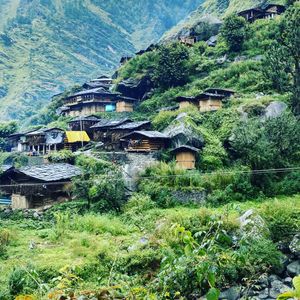
Har Ki Dun Valley, hidden in the Govind Pashu Vihar National Park of Uttarakhand, is famous among trekkers for its scenic trails and Himalayan views. But beyond its natural beauty lies a treasure trove of history, traditions, and legends. Often called the “Valley of Gods,†this region is a living example of how culture and nature blend in the mountains. The myths here stretch back to the Mahabharata, the villages preserve ancient architecture, and the festivals still follow rhythms set centuries ago.
Quick Cultural Facts about Har Ki Dun
- Location: Uttarkashi district, Uttarakhand, India
- Altitude: Around 3,566 meters (11,700 feet)
- Local Language: Garhwali and Hindi
- Famous Villages: Osla, Sankri, Seema
- Major Legend: Believed to be the route taken by the Pandavas to reach heaven via Swargarohini Peak
- Special Heritage Site: Duryodhana Temple in Osla village
The Mythological Ties to the Mahabharata
The Har Ki Dun region is steeped in myth. According to local belief, the Pandavas traveled through this valley during their final journey to the heavens. Swargarohini Peak, seen from the trek, is said to be the staircase to the divine. The valley’s name, Har Ki Dun, means “Valley of Lord Shiva,†adding another layer of spiritual connection. Even today, villagers pass down these legends through oral storytelling, keeping the ancient epics alive in daily life.
Villages Preserving Centuries of Tradition
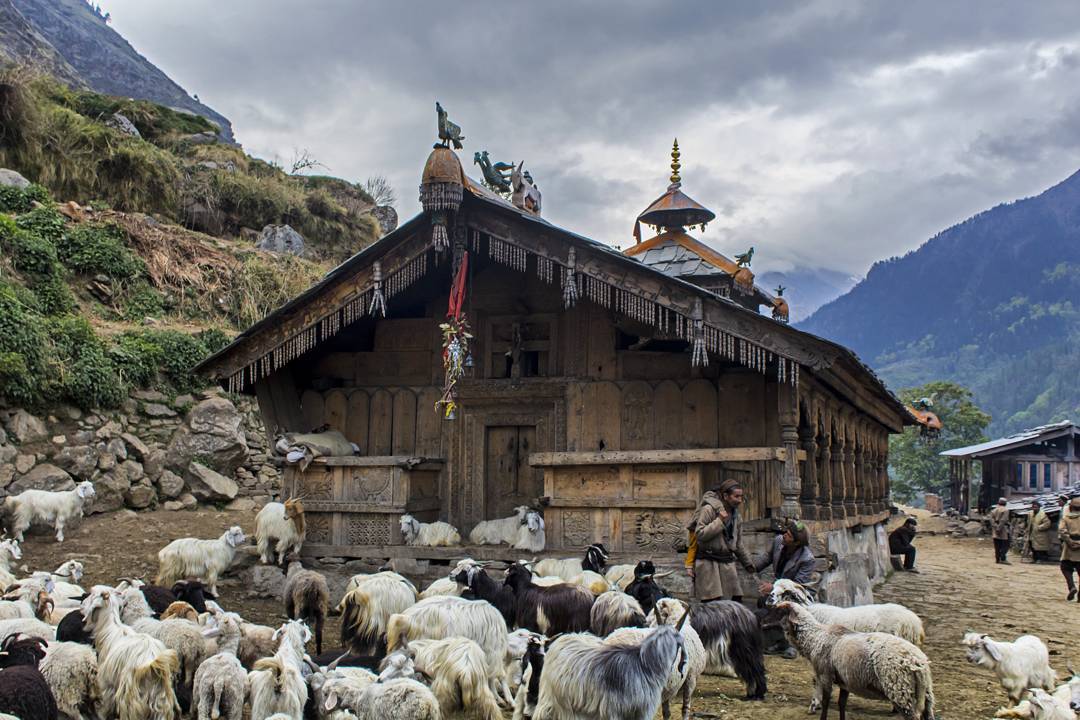
Trekkers pass through remote villages like Osla, Sankri, and Seema, each with its own charm. Homes are built from wood and stone, featuring intricate carvings that tell stories of gods, nature, and daily life. These structures are designed to withstand the harsh Himalayan winters and are built without modern tools, a craft perfected over generations. Some houses are several centuries old, still standing strong and inhabited by families who follow the same traditions as their ancestors.
The Duryodhana Temple of Osla
One of the most unique features of the Har Ki Dun region is the Duryodhana Temple in Osla village. While Duryodhana is often seen as a villain in the Mahabharata, locals here worship him as a deity and protector. The temple is built in traditional wooden architecture, with fine detailing on every beam. It’s not just a place of worship but also a reminder of how legends can be interpreted differently in different communities.
Festivals Rooted in Nature and Faith
Life in the Har Ki Dun valley moves in rhythm with the seasons, and festivals reflect this harmony. The Someshwar Devta Puja is one of the most important events, where people gather to offer prayers for prosperity and a good harvest. Villagers dress in vibrant attire, play traditional instruments like the dhol and damau, and perform folk dances that have been part of their heritage for generations.
Farming Traditions in the Valley
Agriculture is the backbone of life in Har Ki Dun. Villagers grow rajma, barley, and potatoes in terraced fields carved into the mountain slopes. Farming here follows traditional methods without heavy machinery, relying on natural irrigation from glacial streams. This sustainable way of life has allowed the community to remain self-sufficient despite the remoteness of the valley.
Storytelling as a Cultural Bridge
During the long winters, when snow cuts off the villages from the outside world, families gather around warm fires to tell stories. These tales often blend fact and myth, speaking of gods, heroic deeds, and lessons for life. Storytelling is more than entertainment here it is a way to preserve identity and pass wisdom to the next generation.
The Blend of Faith and Daily Life
In Har Ki Dun, culture isn’t separate from daily living it’s part of it. Farming, festivals, building homes, and even trekking routes are tied to age-old customs. Visitors quickly notice how deeply respect for nature and gods is woven into every action, from planting seeds to celebrating a good harvest.
Why Cultural Exploration Matters on the Trek
Many trekkers visit Har Ki Dun for its beauty, but the cultural experiences add another layer to the journey. Meeting locals, hearing their stories, visiting heritage temples, and seeing how traditions survive in remote settings make the trek not just a physical adventure but also a cultural immersion.
Conclusion
The Har Ki Dun Valley is more than just a trek it’s a step into the living history of the Himalayas. Here, ancient myths blend seamlessly with everyday life, and traditions flourish in harmony with nature. For trekkers willing to look beyond the mountains, this valley offers a rare chance to witness a way of life that has remained unchanged for centuries.
Written By:
Ashish Rawat

Hotels at your convenience
Now choose your stay according to your preference. From finding a place for your dream destination or a mere weekend getaway to business accommodations or brief stay, we have got you covered. Explore hotels as per your mood.