Valley of Flowers Trek: All You Need to Know
 Mountains Curve
26 Jul, 2025
13 mins read
110
Mountains Curve
26 Jul, 2025
13 mins read
110
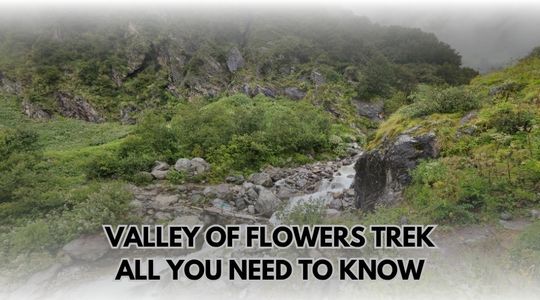
Tucked away in the remote reaches of Uttarakhand at an altitude of 3,600 meters, the Valley of Flowers Trek is a breathtakingly scenic and culturally rich journey through the heart of the Himalayas. Officially recognized as a UNESCO World Heritage Site, this vibrant trail offers not only an explosion of floral diversity but also a spiritual and historical dimension that makes it one of the most iconic treks of India.
The trek unfolds over six days and features lush alpine meadows, thundering waterfalls, sacred glacial lakes, and ancient pilgrimage trails. It culminates in the revered Hemkund Sahib Gurudwara, nestled at a lofty 14,203 ft. Whether you're an avid hiker, a nature enthusiast, or a spiritual seeker, this trek promises an experience that resonates on many levels.
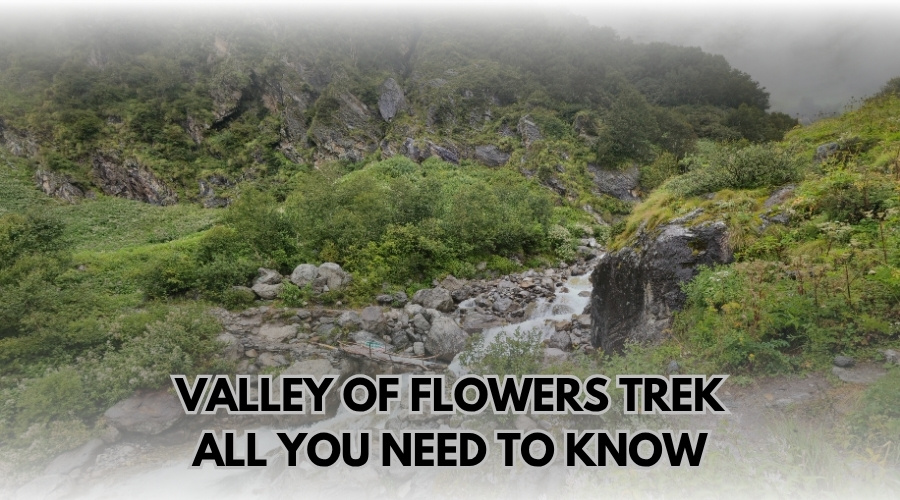
Why Trek the Valley of Flowers?
- Botanical Marvel: With over 600 species of wildflowers including Himalayan blue poppies, orchids, primulas, and calendulas, the valley is a natural museum of high-altitude flora.
- Spiritual Depth: The climb to Hemkund Sahib takes you to one of the highest places of worship in the world, offering a profound moment of inner peace.
- Scenic Beauty: The trail takes you alongside rivers, through cloud-kissed forests, and into panoramic views of peaks like Gauri Parvat and Tipra Glacier.
- Mythical Heritage: Believed to be the place where Hanuman found the Sanjeevani herb, the valley is steeped in Indian mythology.
- Ideal for Beginners: With moderate difficulty and a well-laid path, it is a perfect first Himalayan trek for fit beginners.
- Fairly close to Rishikesh: The Valley of Flowers is just about 270 km from Rishikesh. While Rishikesh is one of the most popular (and sometimes overrated) tourist spots, it is well connected to major cities across India. The complete journey to the Valley of Flowers takes 6 days and 5 nights, starting and ending in Rishikesh.
A Journey Through Time: History of the Valley
The story of the Valley of Flowers began in 1931 when British mountaineer Frank Smythe, on his descent from Mt. Kamet, stumbled upon a hidden valley blanketed in wildflowers. Captivated by its untouched beauty, he chronicled his experience in the book "Valley of Flowers," introducing the world to this Himalayan paradise. By 1980, the valley was declared a National Park, and in 2005 it earned its place as a UNESCO World Heritage Site, drawing trekkers and botanists from across the globe.
Highlights of the Trek
- The Valley of Flowers Itself: Spanning several kilometers, the valley appears like a dreamscape, blanketed in wildflowers of every imaginable hue. The fragrance, the colors, and the sheer diversity of flora create a surreal experience.
- Hemkund Sahib: Situated at 14,203 ft, this glacial lake and Gurudwara are surrounded by seven snow-clad peaks. Pilgrims and trekkers alike find solace in its serenity and breathtaking location.
- Blue Poppy Point: A viewpoint that offers a sweeping view of the Pushpavati River winding through the valley, framed by dramatic mountain backdrops.
- Waterfalls and Rivers: The trek is dotted with waterfalls and river crossings, especially during the monsoon, adding to the adventure and photogenic quality of the trail.
- Cultural & Spiritual Connections: Witness the resilience and devotion of pilgrims heading to Hemkund Sahib. The community kitchens and service at the Gurudwara exemplify the Himalayan spirit.
Valley of Flowers Trek Itinerary (5 Nights & 6 Days)
Day 1: Rishikesh to Joshimath
- Drive: approx 255 km | Duration: 11 hrs
- Start early at 5:15 AM; reach basecamp by 5:00 PM
Day 2: Joshimath to Poolna (Drive) & Trek to Ghangaria
- Drive: 38 km + 4 km (govind ghat to Poolna) | Trek from Poolna to Ghangaria: 9 km | Duration: 5-6 hrs
- Follow a scenic riverside trail to reach Ghangaria
Day 3: Ghangaria to Valley of Flowers and back
- Trek: 3.7 km each way | Duration: 6 hrs
- Explore the heart of the valley and return
Day 4: Ghangaria to Hemkund Sahib and back
- Trek: 6 km each way | Duration: 8-9 hrs | Altitude: 14,107 ft
- A challenging ascent with spiritual and visual rewards
Day 5: Ghangaria to Poolna (Trek) & Drive to Joshimath
- Trek: 9 km | Drive: 38 km | Duration: 5 hrs total
Day 6: Joshimath to Rishikesh
- Drive: 255 km | Duration: 9-10 hrs | Drop-off by 6 PM
Trek Difficulty and Terrain
The Valley of Flowers trek is typically rated as moderately difficult. It does not demand technical climbing expertise but does require a reasonable level of physical fitness. The route features a steady uphill climb through mountainous landscapes, with sections that can be steep or uneven. Weather fluctuations, especially during the monsoon, can add to the challenge.
- Terrain: Uneven paths, makeshift bridges, steep inclines, and river crossings
- Altitude Gain: 7,785 ft to 14,107 ft
- Risk of AMS: High due to rapid elevation; acclimatization is crucial
Weather Conditions
Valley of Flowers weather is expected to have moderate rain with temperatures ranging from 11 °C to 17 °C and around 82% humidity. Cloudy skies, afternoon showers, and occasional freezing rain may occur. Trails can be wet and slippery, so wear layered, waterproof clothing and check local trail conditions before trekking.
- Day Temperatures: 10 °C to 18 °C
- Night Temperatures: 3 °C to 5 °C
- Rain: Frequent drizzles in monsoon; snow patches early in the season
- Carry 3 warm layers and reliable rain protection
Best Time to Visit: Month-by-Month Guide
The most enchanting time to visit the Valley of Flowers National Park in Uttarakhand is between mid-July and mid-August. During this window, the monsoon rains have revived the landscape, triggering a spectacular bloom of countless wildflowers. The valley transforms into a vibrant tapestry of colors, offering trekkers and nature lovers a truly magical Himalayan experience. This short-lived floral peak is grand display of nature at its finest- fleeting, fragrant, and unforgettable.
- July: Lush greenery, early flowers, less crowd, some snow bridges
- August: Peak bloom, moderate drizzle, high crowd volume
- September: Clear skies, reduced flowers, increased pilgrim traffic
Travel Tips for Monsoon Trekkers
- Arrive at the pickup town a day early
- Keep a buffer day post-trek for return travel
- Expect delays due to landslides or traffic
- Always return from the valley by 2 PM to avoid afternoon rain hazards
How to Reach Rishikesh (Starting Point) of VOF Trek
- By Air: Jolly Grant Airport, Dehradun (15 km from Rishikesh)
- By Train: Yog Nagari Rishikesh Railway Station, connected to all major cities
- By Road: Well-connected by buses and taxis from Delhi and other states
Trek Essentials: What to Pack
- Clothing: Waterproof jacket, thermals, fleece, quick-dry tees, extra socks, gloves
- Footwear: Trekking boots, floaters, anti-blister socks
- Gear: 40-50L backpack, headlamp, trekking pole, water bottle, poncho
- Documents: ID proof, medical certificate, trek confirmation
- Personal: Sunscreen, lip balm, medicines, toiletries
Emergency Support
- Closest hospital: Joshimath (15 km from Govindghat)
- Serious cases: Head to Dehradun/Rishikesh (7-8 hour drive)
- Exit points: Ghangaria and Poolna
Final Thoughts on Valley of Flowers Trek
The Valley of Flowers Trek is a kaleidoscope of nature, faith, and resilience. Every step here is a journey through shifting landscapes, cultures, and states of mind. Whether you're capturing the monsoon magic on camera, sipping chai at Hemkund, or simply standing still among a sea of blossoms, this trek promises to leave you transformed.
Prepare thoroughly, respect nature, and you will walk away with memories that last a lifetime.
Written By:
Mountains Curve

Hotels at your convenience
Now choose your stay according to your preference. From finding a place for your dream destination or a mere weekend getaway to business accommodations or brief stay, we have got you covered. Explore hotels as per your mood.