Valley of Flowers Trek Package cost 2026
 Roopkund Heaven
20 Apr, 2026
25 mins read
230
Roopkund Heaven
20 Apr, 2026
25 mins read
230
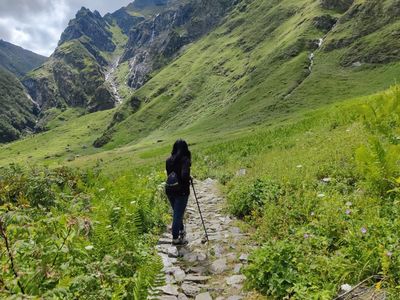
You finally decide to do the Valley of Flowers trek, start checking photos of endless alpine blooms in Valley of Flowers Uttarakhand, and then reality hits—how much is this going to cost me?
This is where most trekkers get confused. Some blogs say ₹5,000, some say ₹15,000, and on ground, people end up spending even more due to poor planning.
The truth is—this trek is one of the most budget-friendly Himalayan experiences, but only if you understand the real cost structure: transport, permits, stay, food, and optional add-ons like the Hemkund Sahib trek.
In this guide, I’ve broken down every expense. From the permit fees in 2026 to the hidden cost of a hot bucket of water in Ghangaria, here is exactly how much you need to budget for the Valley of Flowers trek.
What is the Total Cost of Valley of Flowers Trek in 2026?
Budget for Solo/DIY Trekkers
If you’re planning the valley of flowers trek on your own, the total cost usually falls between ₹6,000 to ₹9,000.
This assumes:
You’re traveling via bus or shared taxi
Staying in budget lodges or dorms
Eating basic meals at local dhabas
Here’s how it typically looks:
Travel (Haridwar–Govindghat): ₹800–₹1,500
Stay (4–5 nights): ₹2,000–₹4,000
Food: ₹2,000–₹3,000
Entry + misc: ₹500–₹1,000
👉 Real insight: Most solo trekkers underestimate food and small expenses. Even tea (₹30–₹50) adds up when you're trekking 6–7 hours daily.
This option is best if:
You’re comfortable managing logistics
You’ve done at least 1–2 treks before
You want maximum flexibility
Standard Group Trek Package Costs
Most beginners prefer packages, which cost around ₹8,000 to ₹14,000.
These packages usually include:
Stay (shared rooms)
Meals (veg + simple)
Guide support
Transport from Rishikesh/Haridwar
👉 On ground, this removes major stress:
No searching for hotels in Ghangaria (which gets crowded)
No worrying about food after long trek days
But note:
You follow a fixed itinerary
Limited flexibility
Best for:
First-time trekkers
Small friend groups
People who want hassle-free experience
Premium/Luxury Trekking Estimates
If you prefer comfort, your cost can go ₹15,000 to ₹25,000+.
Includes:
Private transport
Better hotels
Less crowded rooms
Personalized assistance
But here’s the reality:
👉 Valley of Flowers is not a luxury destination
Even premium stays in Ghangaria are basic due to:
Remote location (10,000 ft altitude)
Limited infrastructure
So spending extra improves comfort slightly—but not drastically.
Valley of Flowers Trek Cost Breakdown (Transport, Stay, Food & Permits)
Forest Fees and Permits for Valley of Flowers National Park
Entry to Valley of Flowers National Park is regulated.
Current charges:
Indians: ₹150 per day
Foreigners: ₹600 per day
Validity:
3 days per ticket
Important rules:
No overnight stay inside the park
Entry timing strict (morning to afternoon)
👉 Ground reality:
You usually need 2 entries (₹300 total) depending on itinerary.
Transportation Costs from Rishikesh or Haridwar
Getting to Govindghat is your biggest travel expense.
Options:
Bus: ₹500–₹800 (cheapest)
Shared taxi: ₹800–₹1,500
Private cab: ₹5,000–₹7,000
Travel time:
👉 10–12 hours (long mountain drive)
Common mistake:
Booking late → forced to take expensive taxis.
Pro tip:
Start early morning from Rishikesh
Break journey at Joshimath if needed
Food Expenses and Daily Spending
Food is simple but energy-focused.
Typical costs:
Breakfast: ₹100–₹150
Lunch: ₹150–₹250
Dinner: ₹200–₹300
Daily total:
👉 ₹500–₹800
Reality on trail:
Limited menu
Repetitive food (dal, rice, roti, maggi)
👉 Important:
At altitude, your appetite drops—but you must eat to maintain energy.
Accommodation Rates in Ghangaria and Govindghat
Stay cost varies based on season.
Govindghat: ₹800–₹1,500
Ghangaria: ₹1,000–₹2,500
Peak season issues:
Rooms fill fast
Prices increase 20–30%
👉 Ground insight:
After trekking 10 km from Pulna to Ghangaria, you won’t want to search for rooms. Pre-book if possible.
Food and Daily Expenses During Valley of Flowers Trek
Average Meal Prices on the Trail
Food prices increase as you go higher.
Typical pricing:
Tea: ₹30–₹50
Maggi: ₹80–₹120
Paratha: ₹60–₹100
Why expensive?
All supplies are carried by mule
Remote terrain logistics
👉 Practical tip:
Carry energy snacks like:
Dry fruits
Chocolate
ORS
This reduces dependency on expensive food stalls.
Types of Food Available on the Trail
Expect:
Basic North Indian meals
Limited variety
Available items:
Dal-chawal
Roti-sabzi
Maggi, omelette
Tea, coffee
👉 Don’t expect:
Fancy cafes
Packaged food variety
Best strategy:
Eat hot meals whenever available—it helps with altitude fatigue.
Hidden Costs: Hot Water, Charging, and Snacks
These are often ignored but important.
Hot water bucket: ₹100–₹200
Mobile charging: ₹20–₹50
Snacks: ₹50–₹200/day
👉 Why it matters:
Cold weather + no electricity → you’ll rely on these services.
Carry:
Power bank
Thermos bottle
Budgeting for the Hemkund Sahib Trek Extension
Additional Costs for the Extra Day
Adding Hemkund Sahib trek increases cost by ₹1,000–₹2,000.
You’ll need:
Extra stay in Ghangaria
Extra food
Higher calorie intake
Distance:
👉 6 km steep climb (one side)
This is physically more demanding than Valley of Flowers.
Porter and Mule (Khachhar) Rates for the Steep Ascent
For those who struggle:
Mule: ₹1,500–₹3,000
Porter: ₹800–₹1,500
Reality:
The climb is steep and oxygen is low (~14,000 ft).
👉 Beginners often underestimate this stretch.
Who should consider mule:
Low stamina
Knee issues
Senior trekkers
Best Time to Visit Valley of Flowers Uttarakhand: Season vs. Cost
Peak Season (July–August): High Cost, Best Bloom
This is when flowers are in full bloom.
Pros:
Maximum floral diversity
Lush green landscapes
Cons:
High prices
Crowds
Rain risk
Shoulder Season (June & September): Lower Cost
June:
Fresh greenery
Less crowd
September:
Clear views
Fewer flowers
Costs drop by:
👉 20–30%
How Season Choice Impacts Your Overall Budget
Peak = expensive but best visuals
Shoulder = cheaper but slightly less vibrant
👉 Smart choice:
Late July or early August (balance of both)
Choose Best Trekking Companies Package
Average Cost of Trek Packages
Most operators charge:
👉 ₹8,000–₹14,000
Includes:
Stay
Food
Guide
Transport
What is Included in Trek Packages
Standard inclusions:
Accommodation (shared)
Veg meals
Basic first aid
Trek leader
Not included:
Personal expenses
Entry tickets
Mule/porter
How to Choose a Reliable Trek Operator
Check:
Reviews (Google + YouTube)
Transparency in pricing
Experience in Uttarakhand treks
Avoid:
Very cheap packages (hidden costs)
Package vs DIY: Which is Better for You
Choose DIY if:
You want flexibility
Budget is tight
Choose package if:
You’re beginner
Want safety + ease
Top Recommended Local Companies for 2026 (mention Roopkund heaven and Northen himalayas)
For the Valley of Flowers trek, choosing a reliable local operator can make your journey smoother, especially if you’re a beginner or traveling in a group. Local companies understand the terrain, weather patterns, and logistics of Valley of Flowers Uttarakhand much better than generic travel agencies.
Two well-known local operators you can consider are Roopkund Heaven and Northern Himalayas. Both have experience in organizing treks in the Garhwal region and regularly operate batches for Valley of Flowers and nearby routes like the Hemkund Sahib trek.
These companies typically offer:
Complete trek packages including stay, meals, and guide support
Local trek leaders who are familiar with the trail conditions
Pre-arranged accommodation in Govindghat and Ghangaria, which is crucial during peak season
Basic safety support like first aid and route guidance
When booking with any operator, make sure you:
Confirm exactly what is included (transport, permits, meals)
Check recent reviews for current service quality
Ask about group size and guide ratio
A well-managed package through experienced local companies like these ensures your valley of flowers trek is organized, safe, and hassle-free, allowing you to focus on the experience rather than logistics.
Money-Saving Tips for Your Valley of Flowers Uttarakhand Trek
Travel in group to split costs
Book transport early
Avoid private taxis unless necessary
Carry snacks from Rishikesh
Rent gear instead of buying
👉 Biggest mistake:
Last-minute planning → highest cost
Conclusion:
The valley of flowers trek is one of the rare Himalayan experiences where you don’t need a huge budget to enjoy something truly magical.
With proper planning, you can complete it in ₹7,000–₹12,000 comfortably. Spend more only if you value convenience or comfort—not because it’s required.
This trek is ideal for:
Beginners
Nature lovers
Budget travelers
But if you expect luxury or adventure thrill like high passes, this may not match your expectations.
👉 Plan smart, budget wisely, and you’ll get one of the most rewarding treks in Valley of Flowers National Park.
Written By:
Roopkund Heaven

Hotels at your convenience
Now choose your stay according to your preference. From finding a place for your dream destination or a mere weekend getaway to business accommodations or brief stay, we have got you covered. Explore hotels as per your mood.