Weather Challenges on Bali Pass Trek and How to Prepare
 Deepanshu Negi
09 Jan, 2026
10 mins read
205
Deepanshu Negi
09 Jan, 2026
10 mins read
205
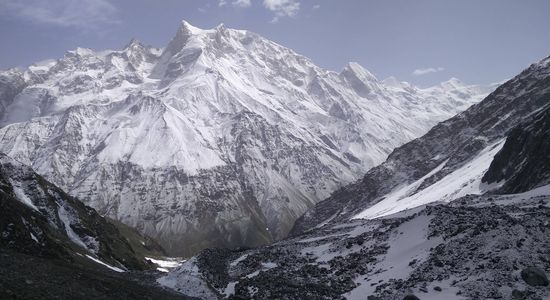
The Bali Pass Trek connects the green valleys of Har Ki Dun with the rugged Yamunotri side. It climbs to around 4,900 meters, which means you deal with real mountain weather, not city style forecasts. Sunshine, clouds, rain, and snow can all appear on the same day. If you prepare well, the trek feels adventurous. If you ignore weather planning, it feels risky and tiring.
This article explains the main weather challenges on the Bali Pass Trek and how you can prepare in a practical and safe way.
Why Weather Plays a Big Role on Bali Pass Trek
At high altitude, air holds less heat and less moisture. This makes temperature changes faster and stronger. Also, the trail stays above the tree line for long stretches, so nothing blocks wind or cloud movement.
Weather reports from the India Meteorological Department and mountain safety guidelines from mountaineering bodies clearly say that most trekking risks in the Himalayas happen due to sudden weather changes, not only due to physical weakness.
That is why understanding weather matters as much as fitness on this trek.
Main Weather Challenges on Bali Pass Trek
Sudden Rain and Slippery Trails
During summer and monsoon months, warm air from valleys rises and forms clouds by afternoon. Rain can start without much warning.
Rain makes rocky paths slippery and increases the flow of small streams. Wet clothes also increase the risk of getting cold at camps.
Snowfall Near the Pass Area
Snow remains on the pass even in early summer. Fresh snowfall can happen in late May, June, and again in October.
Snow hides trail lines and makes steep slopes harder to cross. Without proper grip, walking becomes slow and risky.
Strong Winds Above Tree Line
Once you cross grassy meadows and enter open ridges, wind becomes a constant companion.
Strong winds reduce body heat quickly and make it harder to maintain balance on narrow sections of the trail.
Dense Fog and Low Visibility
Cloud cover often settles around high camps and near the pass. Fog reduces visibility and makes navigation difficult.
Even experienced trekkers rely heavily on guides during such conditions to avoid wrong turns.
Sharp Temperature Drop After Sunset
Daytime may feel comfortable, but nights get very cold. Clear skies bring colder nights, especially in September and October.
Cold nights affect sleep quality and slow recovery, which impacts next day performance.
Best Time to Expect Stable Weather
Most trekkers choose two main windows:
- Late May to early July
- Mid September to October
In early summer, snow remains near the pass but mornings stay clearer. Clouds usually build after noon.
Post monsoon season brings clearer skies and better visibility, but nights become colder and winds grow stronger.
That is why most pass crossings start very early in the morning.
How to Prepare for Weather on Bali Pass Trek
Follow the Layered Clothing System
Use three simple layers:
- Base layer to manage sweat
- Insulation layer to trap warmth
- Outer shell to block wind and rain
Avoid cotton clothing. It absorbs moisture and stays wet. Synthetic or wool fabrics work better and dry faster.
Carry extra socks and inner wear to change after rainy days.
Carry Reliable Rain Protection
A waterproof jacket with sealed seams protects better than thin rain covers. Ponchos work but feel uncomfortable in wind.
Use backpack rain covers and store spare clothes in waterproof bags inside the backpack.
Dry gear improves comfort and prevents cold related problems.
Use Proper Trekking Shoes and Gaiters
Shoes with deep grip help on wet rocks and snow patches. Gaiters stop snow and water from entering your shoes and protect legs from cold wind.
Good footwear reduces slipping and saves energy on long climbs.
Start Early and Follow Group Schedule
Weather usually stays calmer in early morning. Clouds and wind increase after midday.
Guides plan pass crossing times based on weather patterns and safety margins. Following the group timing improves safety for everyone.
Learn Basic Weather Warning Signs
Dark rising clouds, sudden cold wind, and fast temperature drops often signal incoming weather changes.
If you notice these signs, inform your guide instead of pushing ahead quietly.
Clear communication helps the team adjust plans early.
Maintain Hydration and Nutrition
Cold reduces thirst, but dehydration increases fatigue and altitude related issues.
Drink water regularly and prefer warm fluids when available. Eat proper meals even if you feel low appetite at altitude.
Food gives energy to fight cold and tiredness.
Prepare Mentally for Delays and Changes
Weather can force extra rest days or route changes. Accept flexibility as part of mountain travel.
Stress and frustration increase exhaustion and reduce focus. Calm thinking helps better decision making during tough moments.
Sometimes turning back safely becomes the smartest achievement of the trek.
Health Risks Linked to Bad Weather
Cold and wet conditions increase the chance of hypothermia. Early signs include shivering, slow movement, and confusion.
Snow glare and strong wind may cause headaches and eye strain.
Bad weather also worsens altitude sickness symptoms because cold and dehydration reduce oxygen efficiency in the body.
Medical trekking guidelines advise immediate rest or descent if symptoms increase, even if the summit or pass is close.
Safety always stays more important than reaching the top.
Why Forecast Apps Are Helpful but Not Perfect
Weather apps use regional models and satellite data. They give general trends but cannot predict every local cloud build up or snowfall event in narrow valleys.
That is why experienced trek leaders also depend on visual observation and local knowledge from base villages.
Phones may lose network. Mountains never lose mood swings.
Trust your guide and on ground conditions more than only screen forecasts.
Final Thoughts
Weather challenges on Bali Pass Trek and how to prepare is not only about packing heavy jackets. It is about understanding mountain behavior, respecting natural limits, and planning each day with safety first.
Good preparation turns unpredictable weather into manageable situations. It also lets you enjoy the scenery instead of worrying about every cloud.
The mountains will still test you, but you will walk with confidence instead of luck.
And after a cold windy day, that evening cup of hot tea at camp feels like a five star reward, no booking needed.
Written By:
Deepanshu Negi

Hotels at your convenience
Now choose your stay according to your preference. From finding a place for your dream destination or a mere weekend getaway to business accommodations or brief stay, we have got you covered. Explore hotels as per your mood.