What frequent travelers should consider when choosing between litter robot 3 vs 4
 Chris Den
13 Jan, 2026
5 mins read
66
Chris Den
13 Jan, 2026
5 mins read
66
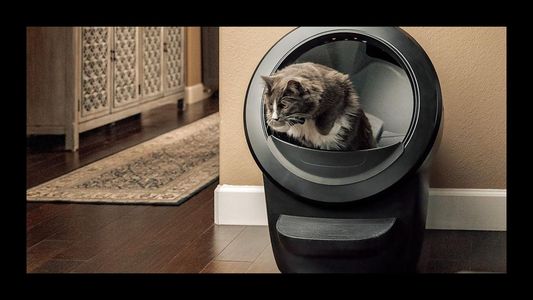
Why travel habits matter when selecting an automatic litter box
For people who travel often for work or leisure, caring for a cat while away can be a constant concern. Automatic litter boxes are popular among frequent travelers because they reduce daily maintenance and help keep the home clean in their absence. When comparing litter robot 3 vs 4, travelers tend to focus on how reliably the unit performs without supervision. Features that support consistent operation over several days become more important than cosmetic design or advanced customization.
Surveys on pet ownership show that nearly 40 percent of cat owners travel at least three times a year for more than two days. For people traveling with pets or leaving them in the care of a sitter, litter box upkeep during these trips is one of the most common challenges reported by caregivers. An automatic system that cycles correctly every time and handles waste efficiently can reduce stress for both the owner and the caregiver. Understanding how each model supports unattended use helps travellers make a more practical choice.
Maintenance, capacity, and reliability during long absences
One of the main concerns for travellers is how long a litter box can function without being emptied or cleaned. Waste drawer capacity plays a significant role here. Larger capacity means fewer cleanings, which is ideal when relying on a pet sitter who may visit only once a day or every other day. Feedback from users suggests that systems requiring less frequent attention are more suitable for trips lasting four to seven days.
Reliability is equally important. A unit that stops cycling due to sensor issues or mechanical errors can quickly create hygiene problems. Data from consumer reports on smart pet devices shows that about 30 percent of complaints relate to interruptions in automated functions. When comparing options like litter robot 3 vs 4, travelers can minimize this risk by choosing a model known for consistent performance and clear error alerts. Ease of resetting the unit also matters, especially for sitters who may not be familiar with the device.
Monitoring features and peace of mind while away
Frequent travellers often value remote monitoring features that allow them to check on their pet’s routine from afar. Usage tracking and notifications can provide reassurance that the litter box is functioning normally. Studies indicate that pet owners who receive regular activity updates are 25 percent less likely to report anxiety while traveling. These insights can help owners confirm that their cat is using the litter box regularly and that no urgent issues are developing.
Another consideration is how quickly a cat adapts to the system before travel begins. Behavioral experts recommend introducing any new litter box at least two to three weeks before a planned trip. This adjustment period reduces the risk of litter avoidance while the owner is away. When choosing between models like litter robot 3 vs 4, travellers should factor in setup time, learning curve, and overall stability.
For frequent travellers, the right automatic litter box offers more than convenience. It provides confidence that their cat’s needs are met even when they are not home. By focusing on reliability, maintenance intervals, and monitoring capabilities, travellers can choose a solution that supports both their lifestyle and their pet’s comfort.
Written By:
Chris Den

Hotels at your convenience
Now choose your stay according to your preference. From finding a place for your dream destination or a mere weekend getaway to business accommodations or brief stay, we have got you covered. Explore hotels as per your mood.