What to Expect on Your First Rafting Trip
 Super Cool
10 Oct, 2025
8 mins read
67
Super Cool
10 Oct, 2025
8 mins read
67
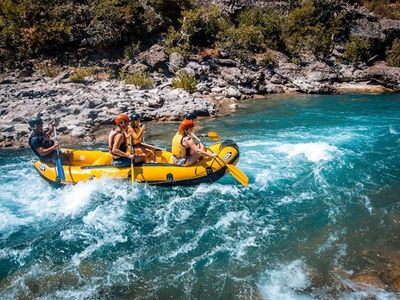
One of the most exciting outdoor experiences you can have is rafting. An unforgettable experience is created by the river's surge, the splash of water on your face, and the cooperation needed to cross the currents. However, there are a few crucial things that every novice should be aware of before grabbing a paddle and plunging into the raft. Rafting isn't only about adrenaline; it's also about preparation, care for the environment, and collaboration, from selecting the appropriate equipment and knowing river classifications to psychologically and physically preparing. You can enjoy your first rafting trip to the fullest, stay safe, and have fun if you know what to expect.
1. Selecting the Proper River and Level of Difficulty
Rivers are not all made equal. On a scale of I to VI, they are categorized according to difficulty, with Class I being quiet, moderate waters that are perfect for novices and Class VI being only for the most courageous and experienced rafters. Class I or II rapids are the greatest for beginners because they offer just enough thrill to get your heart pounding without being extremely dangerous.
The setting has a significant impact on your experience as well. In addition to their rapids, certain rivers are renowned for their stunning scenery. For instance, if you're planning an experience in the Balkans, there are many options. When it comes to rafting, Tara offers the perfect blend of beauty and excitement, with emerald rivers plunging through one of Europe's deepest canyons.
2. Being Aware of the Crucial Equipment and Safety Gear
Having the right equipment is your first line of protection when rafting. A decent outfitter will include all the necessary safety gear, such as a paddle, helmet, and life jacket. A life jacket should fit snugly and securely, but not so tightly that it impedes breathing. It should be just tight enough to keep you in place even if you wind up in the water. Because they shield your head from rocks and paddles, helmets are equally crucial.
When it comes to apparel, stay away from cotton since it absorbs moisture and gets heavy when wet. Instead, dress in materials that dry quickly, like polyester or nylon. Wetsuits or drysuits may be offered in colder weather to keep you warm and cozy.
3. Acquiring the Fundamentals: Methods and Collaboration
Working as a team is just as important in rafting as having power or talent. Following your guide's directions, you will paddle in a group while you negotiate the river's curves. Your guide will give you a safety briefing and teach you the fundamentals of paddling, including forward, backward, and stop strokes, before you get on the water. These instructions are crucial for maintaining the raft's balance and responsiveness; therefore, it's important to pay close attention and practice them.
Keeping a steady position in the raft is equally crucial. To maintain your balance as the raft tilts or bounces, sit on the outer edge with your feet tucked beneath the central tube or the safety straps. For greater control, always hold your paddle with one hand near the base and the other on the top knob.
4. Getting Ready for the Ride, Both Mentally and Physically
Being relatively fit will make your first trip much more enjoyable, even though rafting doesn't demand exceptional physical skill. Strong arm and core muscles help you retain control, and a sufficient level of endurance enables you to paddle efficiently for longer stretches. To increase stamina before your vacation, think about doing some mild strength or cardio exercise. Additionally, stretching might help avoid stiffness or cramping while riding.
Being mentally prepared is equally as crucial as being physically prepared. Rapids can be erratic, so maintaining composure under duress is essential. Even when things get difficult, have faith in your guide, pay attention to the safety briefing, and maintain your good attitude.
5. Honoring the Environment and Observing River Etiquette
Since rivers are dynamic ecosystems, it is the duty of every rafter to preserve them. Always abide by the "leave no trace" rule, which states that you should appreciate local wildlife, refrain from littering, and refrain from using soaps or detergents in natural water. Being aware of your surroundings helps conserve the national parks and protected regions where many rafting locations are situated for the benefit of future generations.
Respecting other rafters and guides is another aspect of river etiquette. Throughout the journey, be cooperative, on time, and attentive. Never act carelessly and always follow safety guidelines, even if the rapids seem simple.
More than just an exciting day, your first rafting trip is an opportunity to challenge yourself, connect with nature, and create lifelong memories with others. You'll be ready to tackle the rapids with assurance if you have the proper gear, attitude, and preparation. Keep in mind that rafting is about adventure, respect, and teamwork. Whether your objective is to master whitewater or just to experience the excitement of nature, the most essential thing is to stay safe, stay vigilant, and most importantly, appreciate the wild beauty of the river.
Written By:
Super Cool

Hotels at your convenience
Now choose your stay according to your preference. From finding a place for your dream destination or a mere weekend getaway to business accommodations or brief stay, we have got you covered. Explore hotels as per your mood.