Where the River Meets the Sky: Adventures in the Mekong Delta
 Palakshi Meharwal
14 Aug, 2025
10 mins read
72
Palakshi Meharwal
14 Aug, 2025
10 mins read
72
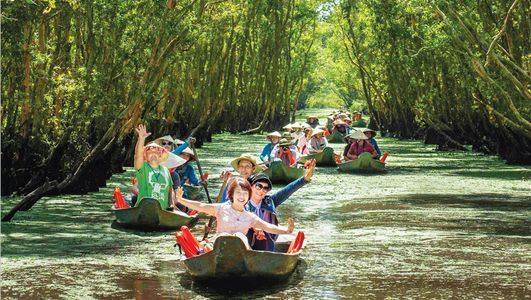
The Mekong Delta is not just a place on the map—it’s a living, breathing masterpiece where winding waterways, emerald rice paddies, and endless skies merge into one of Southeast Asia’s most enchanting landscapes. Stretching across southern Vietnam, this vibrant region is shaped by the mighty Mekong River as it splits into nine tributaries before spilling into the South China Sea. For travelers seeking a journey rich in culture, nature, and adventure, the Mekong Delta offers experiences as diverse as the floating markets that drift along its waters.
In this article, we’ll explore the heart of the Mekong Delta, uncovering its hidden gems, cultural traditions, and breathtaking landscapes—truly where the river meets the sky.
A Land Shaped by Water
The Mekong Delta, often called the "Rice Bowl of Vietnam," is a lush and fertile region thanks to the nutrient-rich sediments carried by the Mekong River. This network of rivers and canals feeds expansive rice fields, fruit orchards, and fish farms, making it one of Vietnam’s most productive agricultural zones.
Life here revolves around water. Villages are connected by narrow waterways, and locals travel by sampan or motorized boats. It’s a way of life that has remained largely unchanged for centuries, despite the growing presence of tourism. Visitors can witness fishermen casting nets at sunrise, farmers tending rice paddies, and traders navigating their colorful boats through bustling floating markets.
Floating Markets: A Feast for the Senses
One of the Delta’s most iconic experiences is visiting its floating markets. Among the most famous are Cai Rang, Cai Be, and Phong Dien. At dawn, the river comes alive with a symphony of chatter, the splash of paddles, and the aroma of fresh produce and steaming noodle soups.
Vendors sell everything from tropical fruits like mangosteen and rambutan to freshly caught fish and fragrant flowers. You can even spot boats with long poles displaying samples of their goods—a traditional way to advertise what’s for sale. Sampling a bowl of hu tieu (rice noodle soup) from a floating food stall is a must for an authentic Mekong Delta adventure
Cruising the Waterways
A Mekong River cruise is perhaps the best way to absorb the region’s beauty at a leisurely pace. Depending on your style, you can choose from luxurious overnight cruises to simple wooden boats. As you drift along palm-fringed canals, you’ll pass stilt houses, floating villages, and lush gardens.
Many tours stop at small islands where visitors can watch traditional crafts being made, from coconut candy to rice paper. You might also be treated to a performance of Ä‘á»n ca tà i tá»â€”a traditional folk music recognized by UNESCO. These cultural encounters offer insight into the deep-rooted heritage of the Delta’s communities.
Island Adventures
The Mekong Delta is dotted with small islands, each offering unique charms. Unicorn Island and Phoenix Island near My Tho are popular stops, known for their tropical fruit orchards and honey farms. Here, visitors can taste fresh fruits picked straight from the trees, sip honey tea, and even hold friendly pythons—a quirky but memorable photo opportunity.
For those seeking more off-the-beaten-path adventures, Tra Su Cajuput Forest in An Giang province is a serene escape. This flooded forest is a haven for birdwatchers, with over 70 species recorded. Gliding silently through its emerald waterways on a small boat feels like entering a hidden world.
Cycling Through the Countryside
Beyond its waterways, the Mekong Delta’s flat terrain makes it perfect for cycling. Biking through villages and rice paddies allows you to interact with locals, visit rural markets, and discover temples hidden among the greenery. The slow pace of cycling matches the laid-back rhythm of life here, letting you appreciate the sights, sounds, and scents of the countryside.
Many guided tours combine cycling with boat trips, creating a more immersive experience. You might find yourself stopping for fresh coconut water at a roadside stall or joining a local family for a home-cooked meal.
Seasonal Beauty
The Mekong Delta’s scenery changes with the seasons, offering different experiences year-round. The dry season, from December to April, is ideal for travel, with clear skies and pleasant temperatures. The wet season, from May to November, transforms the landscape into a shimmering patchwork of flooded rice paddies and lotus ponds.
For adventurous travelers, the wet season also brings the floating rice harvest and higher river levels, which open up otherwise inaccessible waterways.
A Culinary Journey
The Delta’s cuisine reflects its abundance of fresh ingredients. Meals here often feature freshwater fish, river prawns, and a dazzling variety of herbs and vegetables. Don’t miss bánh xèo—crispy Vietnamese pancakes filled with shrimp, pork, and bean sprouts—or canh chua, a sweet and sour soup flavored with tamarind and pineapple.
Street food stalls and floating vendors make eating in the Delta an adventure in itself. You can try exotic treats like grilled snakehead fish, coconut worms (for the brave), and tropical fruit desserts.
Tips for Travelers
- Plan Ahead: While day trips from Ho Chi Minh City are popular, staying overnight allows you to experience early-morning floating markets.
- Pack Light but Smart: Sunscreen, a hat, and insect repellent are essentials.
- Respect Local Customs: Dress modestly, especially when visiting temples or rural communities.
- Support Local Businesses: Buy directly from artisans, farmers, and small tour operators to help sustain the local economy.
Where the River Meets the Sky
The Mekong Delta is more than a destination—it’s a world of timeless charm where every bend in the river reveals another story. Whether you’re sipping coconut water under swaying palms, gliding through lotus-filled canals, or chatting with a vendor at a floating market, you’ll feel the region’s unique harmony between land, water, and sky.
It’s a place where nature and culture intertwine, offering travelers a window into a slower, more connected way of life. For those ready to embrace the gentle rhythm of the river, the Mekong Delta is waiting—where the river meets the sky and adventures never end.
Written By:
Palakshi Meharwal

Hotels at your convenience
Now choose your stay according to your preference. From finding a place for your dream destination or a mere weekend getaway to business accommodations or brief stay, we have got you covered. Explore hotels as per your mood.