Where the Wild Still Rules: Your Ultimate Guide to Amagarh Leopard Safari
 Palakshi Meharwal
14 Nov, 2025
12 mins read
82
Palakshi Meharwal
14 Nov, 2025
12 mins read
82
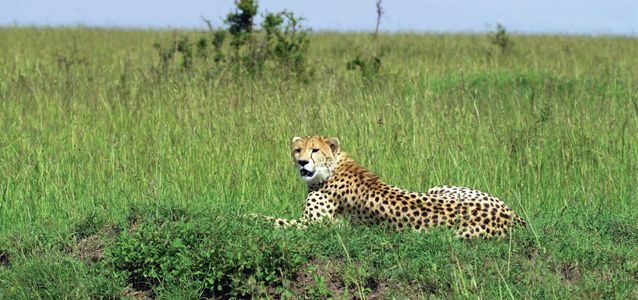
If you’re someone who believes that the true essence of travel lies in uncovering hidden gems—places where nature still whispers its ancient stories—then the Amagarh Leopard Safari deserves a special spot on your itinerary. Tucked in the eastern folds of Jaipur, this safari is where the rugged Aravalli hills cradle mysterious forests, elusive leopards, and the wild charm many travellers don’t even know Jaipur possesses.
This guide will walk you through everything you need for an unforgettable visit: the best time to explore, how to reach, nearby attractions, budgeting tips, and a suggested itinerary—served with first-hand warmth, like a friend recounting their favourite adventure.
Stepping Into the Wild: What Makes Amagarh Leopard Safari Special
While Jaipur is known worldwide for its forts, palaces, and vibrant lanes, few travellers realise that its outskirts harbor a thriving population of leopards. The Amagarh Leopard Reserve, located near Galta Ji and the scenic Amagarh Fort, offers a safari experience that feels raw, authentic, and blissfully uncrowded compared to commercialised wildlife parks.
As your jeep rumbles into the reserve, the city noise fades away and is replaced by the rustle of dry leaves, the chirping of partridges, and the occasional alarm call of a sambar. The terrain is rugged—rocky hills on one side, open scrub forests on the other. This is prime leopard country, and while sightings are common, they still feel like a privilege.
Even if you don’t spot the big cat immediately, the safari never feels dull. Peacocks dance in the open valleys, hyenas leave footprints on sandy patches, and nilgai wander gracefully across the landscape. It’s a living, breathing ecosystem—one that still operates on nature’s terms.
Best Time to Visit: When the Forest Comes Alive
One of the beauties of Amagarh is that it’s accessible year-round, but your experience can vary with the seasons.
Winter (October to March) is hands-down the ideal time. The weather is crisp and comfortable, with golden morning light that makes the landscape look ethereal. This is also when wildlife activities—especially leopard movement—peak, thanks to the mild temperatures.
Summer (April to June), on the other hand, may be scorching but offers surprisingly higher chances of sightings, as animals frequent waterholes more predictably. If you don’t mind the heat and go for an early morning safari, you may get lucky with some extraordinary wildlife action.
Avoid the peak monsoon months if possible, as heavy rains may restrict safari routes and reduce visibility.
Getting There: How to Reach Amagarh Leopard Safari
Reaching the safari zone is fairly easy, whether you're coming from Jaipur city or travelling from afar.
If you're staying in central Jaipur, the reserve is roughly 12–15 km away, depending on your starting point. A quick cab ride will get you to Galta Gate, from where the routes diverge towards Amagarh Fort and the safari entry points.
Travellers arriving by train can reach Jaipur Junction or Gandhinagar stations and then book a taxi directly to the safari site. From the airport, it’s about a 35–40 minute drive—smooth and straightforward. Make sure to book your safari slot beforehand, as walk-in registrations are limited.
For those who enjoy making a day of it, the drive itself is scenic. As you leave the urban sprawl behind and enter the foothills, the landscape shifts dramatically—from city bustle to raw wilderness in a matter of minutes.
What to Expect on the Safari: The Experience, the Routes & Local Tips
Every safari begins with a quick briefing by trained guides who understand the terrain and animal behaviour intimately. You’ll hop into a 4x4 jeep—open-air, sturdy, and perfect for photography—and then roll into the heart of the reserve.
Depending on your chosen route, you may pass historic ruins, ancient temples, and vantage points that overlook the vast Aravalli range. Some tracks lead to watering holes where leopards frequently appear at dawn and dusk, while others wind through narrow rocky passages where the jeeps must maneuver slowly and carefully.
Here are a few local tips that can greatly enhance your experience:
Go for early morning or late afternoon safaris – These slots align with peak animal activity and optimal lighting for photography.
Carry a pair of binoculars – Leopards often perch on rock faces at a distance.
Wear earthy-coloured clothing – Bright colours can disturb wildlife and reduce your chances of sightings.
Be patient – Safari magic isn’t rushed. Sometimes the best sightings happen when you least expect them.
The guides here are passionate about conservation and will help you understand leopard behaviour, track markings, and the significance of preserving this habitat—turning your adventure into an education.
Beyond the Safari: Nearby Attractions Worth Adding to Your Itinerary
The Amagarh region is full of surprises, making it easy to build a full-day plan around your safari experience.
Amagarh Fort, perched dramatically atop a hill, offers panoramic views of Jaipur’s eastern expanse. A short hike from the safari zone leads you to ancient walls, forgotten watchtowers, and an atmosphere that feels lost in time.
Nearby, the Galta Ji Temple—often called the "Monkey Temple"—adds a spiritual dimension to your visit. With its natural springs, traditional architecture, and playful troop of monkeys, it’s a great place to explore either before or after your safari.
If you prefer a leisurely ending, head towards Sisodia Rani Garden or Vidhan Sabha Road cafés to unwind and relive the stories the forest gifted you.
Budgeting & Travel Safety: Practical Tips for a Smooth Experience
The Amagarh Leopard Safari is relatively budget-friendly compared to larger wildlife reserves. Safari charges may vary slightly based on the operator and season, but they generally remain accessible. Booking in advance online often gets you better pricing and guaranteed seats, especially during peak tourist months.
When it comes to safety, the core rules are simple:
- Always remain seated during the safari.
- Keep your hands inside the jeep.
- Maintain silence when the guide requests it, especially during sightings.
- Do not attempt to feed animals—this disrupts natural behaviour and can be dangerous.
The reserve is well-managed, and guides are trained to handle unexpected situations. Just follow their instructions and you’ll be in good hands.
For budgeting, consider pairing your safari with other local experiences to make the most of your day without spending extra on long commutes. Light snacks, comfortable shoes, a refillable water bottle, sunscreen, and a hat are typically all you need.
Final Thoughts: Why Amagarh Should Be on Your Travel Map
The Amagarh Leopard Safari isn’t just another tourist attraction—it’s a reminder that Jaipur’s magic extends far beyond its palaces and bazaars. It’s a place where wilderness still thrives, where leopards roam freely across ancient hills, and where travellers can slow down and reconnect with nature.
If you’re seeking a unique experience—something raw, real, and deeply memorable—Amagarh invites you with open arms. All you need to bring is your curiosity, your patience, and your love for the wild.
Written By:
Palakshi Meharwal

Hotels at your convenience
Now choose your stay according to your preference. From finding a place for your dream destination or a mere weekend getaway to business accommodations or brief stay, we have got you covered. Explore hotels as per your mood.