Why Delta Flight DL275 Diverted to Los Angeles: A Deep Dive into the Incident
 Nasir Mehmood
14 Apr, 2026
6 mins read
355
Nasir Mehmood
14 Apr, 2026
6 mins read
355
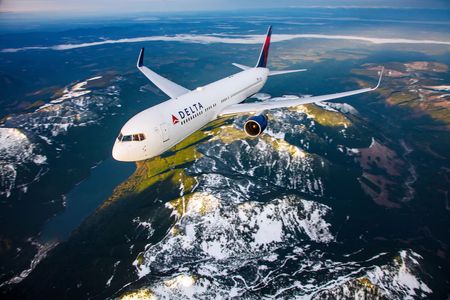
Air travel is one of the safest modes of transportation, yet even routine flights can face unexpected operational challenges. One such case occurred on May 26–27, 2025, when Delta Air Lines Flight DL275, scheduled from Detroit to Tokyo, made an unexpected diversion to Los Angeles.
This article breaks down what happened, why the diversion likely occurred, and what it reveals about aviation safety systems.
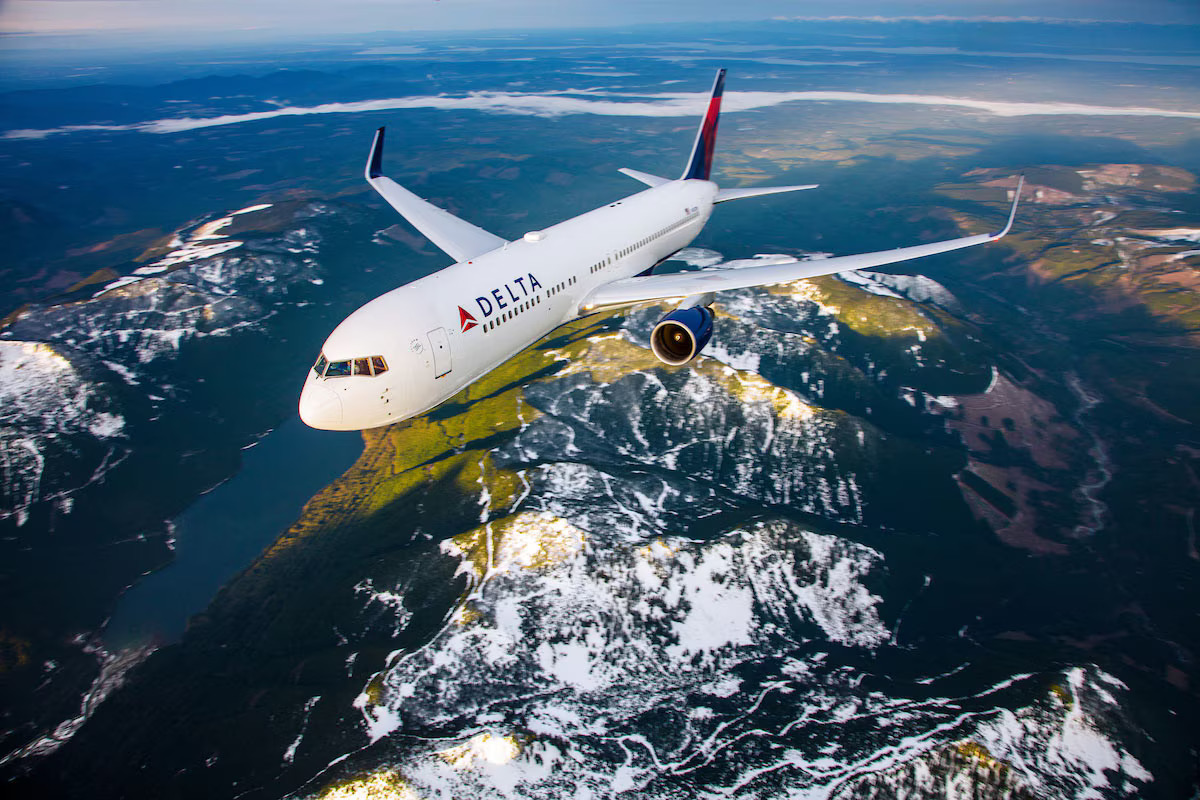
✈️ Flight Overview
Delta Flight DL275 was a long-haul transpacific flight operating on an Airbus A350-900 (registration N508DN). It departed:
- Origin: Detroit (DTW)
- Destination: Tokyo Haneda (HND)
- Actual Outcome: Diverted to Los Angeles (LAX)
The flight took off at 15:53 EDT on May 26 and landed safely in Los Angeles at 01:07 PDT on May 27, completing a total flight time of approximately 12 hours and 37 minutes
🧭 What Happened Mid-Flight?
While cruising at around FL380 (38,000 feet) over the North Pacific—approximately 620 nautical miles west-southwest of Anchorage—the crew made the decision to discontinue the journey to Tokyo
Passengers were reportedly informed of an issue related to the engine anti-ice system. Although not officially confirmed by regulators, this explanation has been consistently cited in aviation reports.
⚠️ Why an Anti-Ice System Matters
At first glance, an anti-ice system issue may not sound critical—but in long-haul aviation, it can be a major factor.
Here’s why:
1. High-Altitude Icing Risk
Aircraft flying over polar or oceanic routes often encounter extreme cold conditions. Ice buildup on engines or sensors can compromise performance and safety.
2. ETOPS Regulations
Long-distance twin-engine aircraft (like the A350) operate under ETOPS (Extended-range Twin-engine Operational Performance Standards). These rules require aircraft to remain safe even during diversions in harsh conditions.
A malfunction in an anti-ice system can:
- Limit safe diversion options
- Affect engine reliability assumptions
- Trigger precautionary decision-making
3. Safety-First Decision Making
Even without an emergency, crews are trained to act conservatively. Continuing across the Pacific with a potential system limitation is riskier than diverting to a major airport.
🛬 Why Los Angeles Was Chosen
Los Angeles International Airport (LAX) is one of the best-equipped diversion points in the U.S. for widebody aircraft.
It offers:
- Advanced maintenance facilities
- Availability of spare aircraft
- Strong passenger rebooking infrastructure
This makes it an ideal choice for handling long-haul disruptions efficiently.
👨✈️ Outcome of the Incident
The flight landed safely with no injuries reported
Following the diversion:
- The onward flight to Tokyo was cancelled
- Passengers were rebooked on alternative flights
- The aircraft remained on the ground for about 18.5 hours before returning to service
Notably, no formal accident investigation (e.g., NTSB report) was initiated, which is common for safe diversions without damage or injuries.
🔍 What This Incident Teaches Us
1. Diversions Are a Safety Tool, Not a Failure
Airline diversions are often precautionary—not signs of danger. In fact, they demonstrate that safety systems and decision-making protocols are working as intended.
2. Modern Aircraft Are Highly Monitored
Aircraft like the Airbus A350 are equipped with advanced diagnostics. Even minor system anomalies are detected early, allowing crews to act before issues escalate.
3. Operational Planning Matters
Choosing the right diversion airport can minimize disruption and ensure quick recovery for both passengers and aircraft.
✍️ Final Thoughts
The diversion of Delta Flight DL275 highlights how modern aviation prioritizes proactive safety over reactive measures. While passengers may experience delays or inconvenience, these decisions are rooted in strict regulatory frameworks and decades of safety evolution.
In the end, the successful and uneventful landing at LAX is not just routine—it’s proof that aviation safety systems work exactly as designed.
Written By:
Nasir Mehmood

Hotels at your convenience
Now choose your stay according to your preference. From finding a place for your dream destination or a mere weekend getaway to business accommodations or brief stay, we have got you covered. Explore hotels as per your mood.