Why Egypt Stays With You Long After You Leave
 Sanjay Kumar
16 Apr, 2026
14 mins read
70
Sanjay Kumar
16 Apr, 2026
14 mins read
70
The Feeling You Can’t Quite Explain
You unpack your bags. You fall back into your routine. The emails are waiting, the laundry piles up, and life moves on like it always does.
But something feels… off.
Not wrong. Just different.
Have you ever come back from a trip and felt like a part of you didn’t quite make it home?
That’s what Egypt does to you.
It doesn’t just give you memories. It leaves something behind. A quiet pull. A kind of emotional echo that lingers long after the trip is over. You might not even notice it right away. But then it hits you, maybe in a quiet moment, maybe when you’re scrolling through your photos late at night.
And suddenly, you’re back there.
Not physically. But in a way that feels just as real.
It’s Not Just History, It’s Presence
Before going, most people expect Egypt to feel like a museum. Ancient, impressive, maybe even a little distant.
But it’s not like that at all.
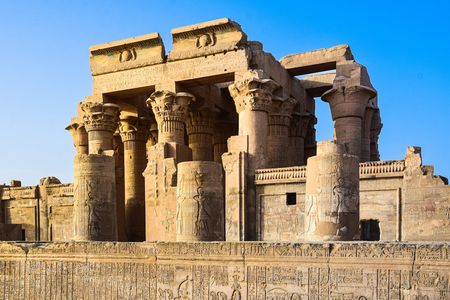
Because when you’re standing in front of the pyramids, or walking through a temple carved thousands of years ago, it doesn’t feel like you’re observing history. It feels like you’ve stepped into it.
There’s a weight to these places. Not heavy in a bad way, but grounding. Real.
You run your hand along a wall and realize someone did the same thing centuries ago. You look up at hieroglyphs and wonder about the stories behind them. Who were these people? What did their lives look like?
And suddenly, history isn’t something you learned. It’s something you feel.
That shift stays with you.
The Moments Between the Landmarks
The big sites are unforgettable, of course. But oddly enough, they’re not always what sticks with you the most.
It’s the in-between moments.
The quiet cup of tea in a small café. The sound of distant traffic blending with a call to prayer. A casual conversation with someone who asks where you’re from and genuinely wants to know.
These moments don’t try to impress you. They just happen.
And maybe that’s why they matter so much.
You start to notice things you would usually overlook. The way the light hits the Nile in the early morning. The rhythm of daily life unfolding around you. The small gestures, the smiles, the pauses.
It’s simple. But it’s powerful.
And long after you’ve forgotten the exact dates or names of certain places, these are the moments that quietly stay.
The Contrast That Stays With You
Egypt is full of contrasts. And they don’t just exist side by side, they blend into each other in a way that feels almost surreal.
One moment you’re in the middle of a busy street, surrounded by noise, movement, and energy. Cars honking. People talking. Life happening all at once.
And then, just like that, you’re somewhere completely still.
Maybe it’s the desert. Maybe it’s a quiet stretch of the Nile. Maybe it’s a temple early in the morning before the crowds arrive.
The silence feels different there. Deeper.
It gives you space to think. Or maybe to not think at all.
And that contrast, the shift from chaos to calm, becomes part of the experience. It keeps you present. It keeps you aware.
It reminds you how layered a place can be.
When Travel Becomes Personal
At some point, the trip stops being about what you’re seeing and starts becoming about how you’re feeling.
And that’s where things change.
Egypt has a way of slowing you down, even if you didn’t plan for it. You start paying attention in a different way. You reflect more. You notice more.
You might even start asking yourself questions you didn’t expect.
What actually matters to me?
Why do certain places affect me more than others?
It’s not dramatic. It’s subtle.
But it’s real.
And when a place can shift your perspective, even slightly, it becomes more than just a destination. It becomes something personal.
Trying to Hold Onto the Experience
When you get back home, you try to explain it.
You show people photos. You tell stories. You describe what it was like standing in places you’ve only ever seen in books or on screens.
But something always gets lost in translation.
Because how do you explain a feeling?
How do you put into words what it’s like to be somewhere that feels both completely unfamiliar and strangely familiar at the same time?
So you go back to your photos. You revisit your memories. You try to piece it together again.
Sometimes, you even find yourself retracing the journey in small ways, looking at routes or experiences that mirror your own, like a thoughtfully planned 14 days in Egypt itinerary, not because you want to repeat it exactly, but because you’re trying to reconnect with what it felt like to be there.
It’s not about recreating the trip.
It’s about holding onto something that mattered.
Why It Stays With You
Some places are beautiful. Some are exciting. Some are fun in the moment but fade over time.
Egypt doesn’t really fade.
Maybe it’s the depth of its history. Maybe it’s the contrast. Maybe it’s the way it makes you feel like both a visitor and a participant at the same time.
Or maybe it’s something harder to define.
Whatever it is, it lingers.
You might not think about it every day. But then something small will remind you. A photo. A sound. A random thought.
And just like that, it’s back.
Not as a memory you observe, but as something you feel again.
You Don’t Really Leave
Here’s the strange part.
Even after you’ve left Egypt, even after you’ve settled back into your normal life, a part of you stays connected to it.
And maybe that’s the point.
Some journeys are meant to be temporary. You go, you experience, you move on.
But others leave a mark.
Egypt is one of those places.
You don’t really leave it behind. You carry it with you. In small ways, in quiet moments, in the way you see things differently afterward.
And maybe, without even realizing it, it becomes part of how you experience the world moving forward.
So the question isn’t just what you saw there.
It’s what stayed with you.
And once you’ve felt that, it’s hard to ignore.
Because deep down, you know it meant something.
Written By:
Sanjay Kumar

Hotels at your convenience
Now choose your stay according to your preference. From finding a place for your dream destination or a mere weekend getaway to business accommodations or brief stay, we have got you covered. Explore hotels as per your mood.