Why Kanchenjunga Base Camp Trek Nepal Is the Most Untouched Himalayan Experience
 Pogi Fransis
27 Nov, 2025
9 mins read
73
Pogi Fransis
27 Nov, 2025
9 mins read
73
Kanchenjunga Base Camp Trek: Exploring the Wild East of Nepal
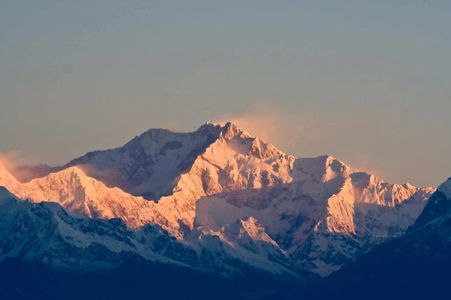
The Kanchenjunga Base Camp Trek is one of the most remote and breathtaking journeys in the Himalayas. Unlike crowded trekking routes, this trail in the far eastern part of Nepal offers pure landscapes, peaceful villages, and deep cultural richness. It takes you toward the base of Mount Kanchenjunga, the third-highest mountain in the world at 8,586 meters. For trekkers who dream of untouched nature and long, rewarding days in the mountains, this trek stands among the finest adventures Nepal has to offer.
A Trek Into Nepal’s Untouched Wilderness
What makes this trek special is its feeling of untouched beauty. As you walk through traditional villages, dense forests, and high alpine valleys, you experience Nepal in its purest form. The journey passes through the Kanchenjunga Conservation Area, which protects rare wildlife such as snow leopards, red pandas, musk deer, and Himalayan black bears. The landscapes are diverse and shift dramatically from lush farmland to rocky cliffs and massive glaciers. Each day feels different, yet connected by the quiet charm of the eastern Himalayas.
A Journey Connecting Cultures and Traditions
The cultural experience along the Kanchenjunga trail is rich and varied. You will meet communities from the Rai, Limbu, Sherpa, and Tibetan Buddhist traditions. Their homes are built with stone and wood, decorated with prayer flags, and surrounded by terraced fields that stretch across the hillsides. Many villages are small and welcoming, and life follows traditional rhythms tied to farming, livestock, and religion. Visiting monasteries and chortens along the way offers insight into the spiritual life of the region. These cultural elements make the trek more than just a physical adventure; they make it a meaningful journey of learning and connection.
The Route: Long, Rewarding, and Wild
The Kanchenjunga Base Camp trek usually takes 20 to 24 days. It involves long days of hiking, steep climbs, and high altitude conditions. The trek can be divided into two main sections: the north base camp and the south base camp. Many trekkers choose to visit both sides, creating a complete circuit around the mountain. Some key points along the route include:
- Taplejung
- Mitlung
- Ghunsa
- Lhonak
- Pangpema (North Base Camp)
- Cheram
- Ramche (South Base Camp)
Each of these places offers its own charm, from forested paths to high, icy plateaus where the air feels thin and the mountain walls rise in dramatic formations. At Pangpema, the viewpoint for the north base camp, the sheer size of Mount Kanchenjunga becomes clear. Its massive glaciers and deep valleys show the true scale of the Himalayas.
Difficulty Level and Physical Preparation
This trek is considered challenging due to its length, remoteness, and altitude. Trekkers need strong fitness, good stamina, and experience with multi-day hikes. The trails are rugged, and some days involve long, steady climbs through rocky terrain. The altitude can affect anyone, so proper acclimatization is essential. Experienced guides and porters are highly recommended because the region is less developed compared to popular trekking areas. Their knowledge of the terrain and weather adds important safety and comfort to the journey.
Climate and Best Seasons to Trek
Weather plays an important role in the success of the Kanchenjunga Base Camp Trek Nepal. The best seasons are:
- Spring (March to May): Moderate temperatures, rhododendron forests in bloom, clear mountain views
- Autumn (September to November): Stable weather, crisp air, excellent visibility
- Winter brings heavy snow and freezing temperatures, especially near the base camps. Monsoon season brings rain, landslides, and slippery trails. Planning your trip during the right season ensures safer conditions and a more enjoyable overall experience.
Accommodation and Food Along the Trail
Unlike popular routes such as Everest or Annapurna, the Kanchenjunga region has fewer teahouses. However, the ones available provide warm meals and simple rooms. Expect basic comfort with wooden beds, blankets, and shared dining spaces. Meals typically include dal bhat, soups, noodles, potatoes, rice dishes, and local vegetables grown in nearby fields. Food variety decreases at higher altitudes, where fresh supplies are harder to transport. The simplicity of the accommodation is part of the adventure and reflects the authenticity of the region.
Guides, Permits, and Regulations
The Kanchenjunga Conservation Area is protected, and trekking here follows certain rules. Trekkers are required to obtain the Kanchenjunga Conservation Area Permit and a Restricted Area Permit. Additionally, a licensed guide is mandatory. This rule helps preserve the environment, support local communities, and ensure safety in a remote region where trails can be difficult to navigate. Trekking through a registered agency makes this process smooth, as they handle all paperwork and logistics.
Wildlife and Landscape Diversity
One of the highlights of trekking in this region is the chance to witness diverse wildlife. The forests are dense with bamboo, birch, oak, and pine, creating ideal habitats for many species. If you are lucky, you may spot tracks or distant shadows of rare animals, especially in the early morning. Birdlife is also rich, with pheasants, eagles, and colorful Himalayan species filling the forests with sound. As you climb higher, the landscape becomes more alpine, with glaciers, moraines, and icy rivers leading toward the high base camps.
Practical Tips for Trekkers
To make your journey smoother and safer, keep these tips in mind:
- Train regularly for at least two months before the trek
- Pack warm layers, gloves, waterproof jackets, and a good sleeping bag
- Stay hydrated to help with altitude adaptation
- Carry snacks such as nuts and energy bars for long hiking days
- Respect local customs, especially around monasteries and religious sites
- Trek slowly and listen to your guide when crossing high altitudes
Good preparation helps make the journey more enjoyable and reduces the chances of altitude sickness or physical strain.
A Journey for True Adventure Lovers
The Kanchenjunga Base Camp Trek Nepal is not just a trek; it is a journey into one of the most remote and majestic parts of the Himalayas. With its untouched trails, rich cultural encounters, and dramatic landscapes, the trek offers a deeper connection to nature and Nepal’s eastern highlands. While the route demands stamina and careful planning, the rewards are remarkable. Travelers return with memories of serene valleys, towering peaks, and the warmth of local communities. For those seeking a genuine Himalayan adventure away from busy trails, the Kanchenjunga Base Camp Trek is a perfect choice. It provides both challenge and beauty, leaving every trekker inspired by the quiet strength and mystery of Nepal’s far eastern mountains.
Written By:
Pogi Fransis

Hotels at your convenience
Now choose your stay according to your preference. From finding a place for your dream destination or a mere weekend getaway to business accommodations or brief stay, we have got you covered. Explore hotels as per your mood.