Why the White Dishdasha Dominates Summer in the Middle East
 Andrew Steven
01 Oct, 2025
13 mins read
174
Andrew Steven
01 Oct, 2025
13 mins read
174
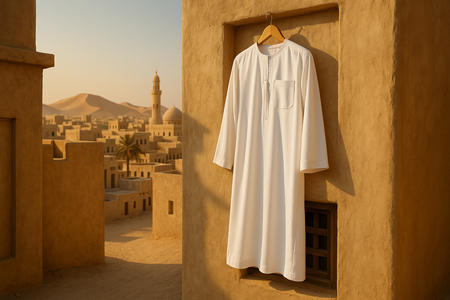
Introduction: The Timeless Appeal of the White Dishdasha
The White Dishdasha is more than just a garment; it is a symbol of tradition, culture, and comfort that continues to thrive across generations in the Middle East. In recent years, its influence has extended far beyond the Gulf, with fashion enthusiasts embracing it worldwide. The demand for White Dishdasha in UK highlights how this attire has successfully crossed cultural boundaries and become a staple for those seeking elegance and practicality.
Unlike other summer clothing, the White Dishdasha reflects deep cultural significance while also offering scientifically proven comfort during harsh weather. With scorching Middle Eastern summers regularly reaching 45°C or higher, men rely on the breathable, reflective qualities of this traditional attire. It remains timeless, adaptable, and continues to be reinvented for modern lifestyles, making it a dominant choice during summer months.
What Makes the White Dishdasha So Popular?
The White Dishdasha has earned its place as an iconic garment because of its simplicity and elegance. Its popularity is rooted in centuries of tradition, where wearing white became associated with dignity, humility, and respect within Arab culture. The loose-fitting nature makes it universally flattering, suitable for boys, young men, and elders alike.
Culturally, the White Dishdasha is tied to notions of purity and unity, often worn during prayers, gatherings, and official functions. Beyond symbolism, it has adapted into modern life as a versatile choice for daily wear, formal occasions, and even global fashion circles. This adaptability explains why it continues to dominate wardrobes across the Gulf region and beyond. Men value it as much for comfort as they do for its deep cultural resonance.
Why is White the Perfect Color for Summer in the Middle East?
The science behind color selection explains much of the White Dishdasha’s dominance in hot climates. Dark fabrics absorb sunlight, converting it into heat, while white reflects up to 80% of sunlight, keeping the body cooler. According to climate studies, average summer temperatures in Middle Eastern cities like Riyadh and Kuwait City can exceed 45°C, making clothing choices a matter of health as much as style.
Wearing white minimizes heat absorption, which reduces risks such as heatstroke and excessive dehydration. This practical aspect combines seamlessly with cultural symbolism, giving men the perfect balance of tradition and science. The White Dishdasha is not only stylish but also serves as natural climate control, a reason why generations continue to rely on it during the summer months.
How Fabric Choices Enhance Summer Comfort
Fabric plays a crucial role in how the White Dishdasha performs during extreme heat. Traditionally, cotton and linen were preferred because of their breathability and natural cooling properties. These fabrics allow airflow, wick away sweat, and provide comfort in humid or dry desert conditions.
Modern tailoring has introduced lightweight synthetic blends that retain the crisp appearance of cotton while resisting wrinkles, making them convenient for professionals and frequent travelers. Fabrics today are often engineered for moisture management, ensuring comfort even during long hours outdoors. This evolution shows how the White Dishdasha remains rooted in tradition but also benefits from textile innovations to meet modern demands.
What Role Does Cultural Tradition Play?
Cultural tradition is perhaps the most powerful force behind the White Dishdasha’s popularity. In Gulf countries such as Saudi Arabia, UAE, Oman, and Kuwait, it is not simply a fashion choice but a cultural marker. It is worn during religious practices, family events, and daily routines, symbolizing modesty, humility, and continuity with heritage.
Generational ties strengthen its value. Fathers often pass down the practice of wearing the White Dishdasha to their sons, ensuring its relevance across age groups. This continuity makes the attire an inseparable part of regional identity. While modern fashion trends influence tailoring styles, the traditional preference for white remains unshaken, underscoring its deep cultural roots.
Why is the White Dishdasha Associated with Prestige and Status?
While the White Dishdasha is rooted in modesty, it also carries an undeniable association with prestige. A perfectly pressed, spotless Dishdasha is seen as a sign of refinement and discipline. Business leaders, government officials, and religious scholars frequently choose white for its elegance and gravitas.
In social settings, wearing an immaculate White Dishdasha reflects pride in appearance and cultural identity. At weddings, state gatherings, and Friday prayers, white is often the dominant choice, emphasizing the blend of simplicity and sophistication. This association elevates the attire beyond daily practicality, placing it firmly within the realm of status and representation.
How Do Practical Features Support Daily Summer Wear?
The design of the White Dishdasha itself enhances its suitability for summer wear. The garment is long and loose, ensuring maximum airflow around the body while protecting skin from direct sunlight. Unlike tight-fitting clothes that trap heat, its flowing design allows men to stay comfortable for extended periods outdoors.
Another practical feature is its compatibility with traditional headgear such as the Ghutra or Keffiyeh, which provides additional shade and sun protection. Combined, these elements create a complete system of comfort and protection, developed over centuries of living in desert climates. It remains unmatched in functionality compared to Western summer clothing styles.
How Has Modern Fashion Reinvented the White Dishdasha?
Modern designers have reimagined the White Dishdasha to cater to fashion-conscious buyers while respecting tradition. Subtle innovations include tailored cuts, unique collar styles, decorative buttons, and fine embroidery. These small changes allow wearers to express individuality without compromising cultural authenticity.
Global demand reflects this reinvention. The rise of online retailers has made the attire accessible worldwide, leading to increased interest in White Jubba for Men in UK. For many buyers outside the Middle East, the White Dishdasha offers both cultural connection and contemporary style. Fashion-forward men are embracing it as a blend of tradition and elegance, further extending its reach.
What Are the Challenges of Maintaining a White Dishdasha?
The greatest challenge of wearing a White Dishdasha lies in keeping it spotless. In hot climates, sweat, dust, and accidental stains are almost unavoidable. Yellowing over time is another issue caused by repeated washing or exposure to sunlight. Since public appearance plays a significant role in Middle Eastern culture, maintaining a crisp and clean White Dishdasha is essential.
Men often rely on specialized laundries that understand fabric care, while others prefer at-home methods using gentle detergents and stain removers. Careful ironing is also necessary to maintain its formal appearance. These extra efforts are accepted as part of the lifestyle, as the pristine look of a White Best Mens Dishdasha in UK is highly valued in society.
Why Does the White Dishdasha Remain Unmatched in Summer Fashion?
Despite challenges, the White Dishdasha remains unmatched in summer wear. Its combination of cultural symbolism, practicality, and adaptability ensures it cannot be replaced by Western or alternative clothing. It has become a symbol of identity and pride, embodying both tradition and modernity.
Globally, its influence is evident. Expatriates in Europe and Asia continue to wear it, demonstrating its ability to transcend geographical boundaries. The White Dishdasha is more than clothing; it is a statement of heritage, resilience, and timeless elegance. Its dominance in Middle Eastern summers is not only logical but also enduring.
FAQs
Why do men wear White Thobes in summer?
Men wear them because white reflects sunlight, keeping the body cooler, while offering cultural and religious significance.
Is the White Dishdasha cooler than other colors?
Yes, studies show white absorbs less heat compared to darker colors, making it ideal for extreme Middle Eastern summers.
What fabrics are best for White Thobes in hot weather?
Cotton and linen are preferred for breathability, while modern blends offer wrinkle resistance and moisture control.
Can the White Dishdasha be worn outside the Middle East?
Absolutely. It is gaining popularity in global markets, with styles such as Mens White Thobes in UK becoming more common.
Why is the White Jubba for Men in UK becoming more popular?
Its blend of elegance, modesty, and comfort appeals to men worldwide, making it a fashionable yet traditional choice.
How do you keep a White Thobe clean and fresh in hot weather?
Regular washing with gentle detergents, careful ironing, and professional laundry services help maintain its crisp look.
Written By:
Andrew Steven

Hotels at your convenience
Now choose your stay according to your preference. From finding a place for your dream destination or a mere weekend getaway to business accommodations or brief stay, we have got you covered. Explore hotels as per your mood.