Wildlife and Natural Beauty of the Kedarkantha Trek: Birds, Forests, and More
 Deepanshu Travel
25 Jul, 2025
8 mins read
103
Deepanshu Travel
25 Jul, 2025
8 mins read
103
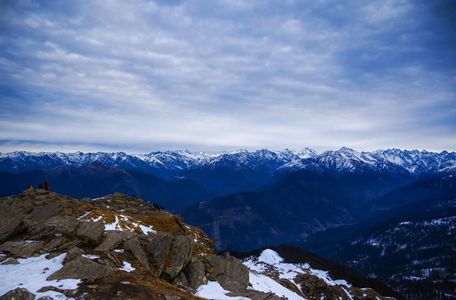
The Kedarkantha trek, nestled in the Garhwal region of Uttarakhand, is one of the most scenic and beginner-friendly winter treks in India. While most people talk about the snow-covered trails and the stunning summit views, there’s another side to this trek that deserves equal attention – its rich ecosystem. The forests, birds, and wildlife you experience along the way add depth and wonder to the journey.
In this article, we’ll explore the beautiful forests, bird species, and the diverse natural world that makes the Kedarkantha trek much more than just a mountain climb.
The Forests of Kedarkantha
From the very beginning of the trek, you’ll find yourself walking through dense and peaceful forests. These are mainly oak and pine forests, with stretches of deodar and rhododendron trees adding to the variety. The path from Sankri, the base village, winds through these tall trees, offering shade and calmness that many trekkers remember long after the trek is over.
In winter, these forests get a layer of snow, turning the trails into a fairy-tale setting. But even beyond their beauty, these forests are a key part of the region’s ecosystem. They help in preserving soil moisture, support biodiversity, and maintain the air quality of the mountains.
If you're trekking in the spring or summer, you’ll see rhododendron trees in full bloom, painting the trail in shades of red and pink. These forests are also home to countless mosses and fungi that play a silent yet vital role in keeping the environment balanced.
Bird Watching on the Kedarkantha Trek
One of the highlights of the Kedarkantha trail is the chance to spot Himalayan birds. If you’re someone who enjoys birdwatching or simply hearing the chirping of birds in the quiet forest, this trek won’t disappoint.
Some of the birds you might see include:
- Himalayan Monal – This colorful bird is the state bird of Uttarakhand and a rare sight. With a bit of luck, you may catch a glimpse of one near the tree line.
- Himalayan Griffon Vulture – A massive bird often seen gliding above the valleys.
- Russet Sparrow – Small and cheerful, these birds are common around villages like Sankri.
- White-throated Laughingthrush – Often heard before they are seen, they travel in groups and make a lot of noise.
- Black-headed Jay – A beautiful bird often seen flitting between branches.
Many birds in the region migrate with the seasons, so depending on the time of year you go, the variety might change. Winter months bring silence to the forests, while summer and spring bring songs and fluttering wings.
Flora Along the Trail
The flora on the Kedarkantha trek is both diverse and beautiful. From dense evergreen trees at lower altitudes to alpine shrubs near the summit, there’s something new to see at every stage.
- Pine and Oak Trees – These are the most common trees along the trail. Oaks are known for their strength and are an important part of the ecosystem, supporting many bird and insect species.
- Rhododendrons – These flowering trees are stunning during the spring season. Some species are also used in local traditional medicine.
- Ferns and Mosses – Found in moist parts of the forest, these help maintain soil health and prevent erosion.
At higher altitudes, you’ll start noticing more hardy plants that can survive cold and wind. Lichens and wildflowers dot the meadows, adding color and life even in tough conditions.
Animal Life in the Kedarkantha Region
Though not always visible, the Kedarkantha region is home to several animal species. Most are shy and avoid human presence, but their presence is a reminder that you’re walking through wild terrain.
Animals that are known to live in the area include:
- Himalayan Black Bear – Rarely seen but found in the lower forest zones.
- Leopards – Also extremely rare to spot, they live in remote and dense forest areas.
- Barking Deer – These small and alert animals can sometimes be seen near clearings.
- Himalayan Fox – A clever and shy creature, it roams the higher altitudes.
- Langurs and Mountain Goats – More commonly seen, these animals adapt well to the steep, rocky areas.
Always remember to respect the wildlife and maintain a safe distance if you do happen to spot any of these animals.
Why the Ecosystem Matters
It’s easy to be so focused on reaching the summit that we forget about the environment around us. But the forests, birds, and wildlife make this trek a living experience, not just a physical one. Every tree, every bird, and every quiet moment in the forest adds to the feeling of peace and connection with nature.
As more people explore the Kedarkantha trek, it becomes even more important to trek responsibly. Stick to the marked paths, don’t litter, avoid loud noises, and never feed wildlife. The beauty of Kedarkantha depends on how well we protect it.
Final Thoughts
The Kedarkantha trek offers much more than snow and views. It’s a journey through one of the most beautiful and biodiverse regions of the Indian Himalayas. Whether you're watching birds flutter above the treetops, walking through ancient forests, or just pausing to take in the silence, the natural world of Kedarkantha has a calming and unforgettable presence.
So next time you plan your trek, take a moment to look around. The true magic of Kedarkantha lies not just at the summit, but in everything you pass along the way.
Written By:
Deepanshu Travel

Hotels at your convenience
Now choose your stay according to your preference. From finding a place for your dream destination or a mere weekend getaway to business accommodations or brief stay, we have got you covered. Explore hotels as per your mood.