Your Complete Guide to the Cuba Transit Visa
 Dorian Kane
25 Oct, 2025
27 mins read
194
Dorian Kane
25 Oct, 2025
27 mins read
194
If you’re planning a trip to Cuba – perhaps a quick stopover or a full holiday – it’s important to get your visa situation squared away ahead of time. In recent years Cuba has overhauled its visa-system and moved toward digital documents, so this guide will walk you through everything you need to know about the eVisa (often referred to when one talks about “transit visa†though strictly speaking the transit concept has nuances) – what it is, how to apply, who needs it, how long you can stay, and useful travel tips. I’ll write this like I’m chatting with a friend who’s about to head to Havana (or Varadero) for the first time, so you’ll find it friendly, practical and informative.
What is the Cuba eVisa?
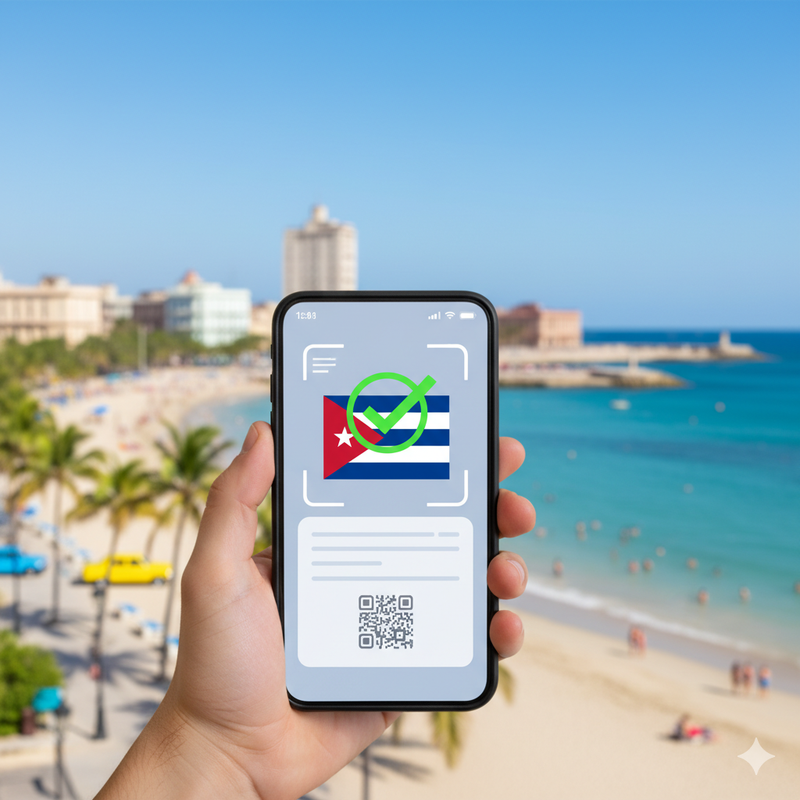
The Cuba eVisa (sometimes called “electronic visa,†“e-VisaCuba,†or “tourist eVisaâ€) is Cuba’s modernised entry permit for foreign travellers, replacing the older paper “tourist card†(Tarjeta del Turista) system.
Here’s a breakdown of what it is:
- It’s an online application process: you fill out your details, pay fees, and receive the approval electronically. No need for visiting an embassy or waiting for physical stamps (in most cases).
- It is designed mainly for tourism/visiting purposes (not for work or long-term residence).
- Once approved, you’ll be able to present the eVisa (or the eVisa code) plus your passport and other required entry documents when arriving in Cuba.
- The eVisa typically allows stays up to 90 days and is single-entry (for most nationalities) although local extension may be possible.
In short: if you’re going to Cuba and your nationality isn’t exempt from visa requirements, you’ll likely need the eVisa ahead of time.
Who needs a Cuba eVisa and who is exempt?
Who needs the eVisa
In general: most foreign nationals who do not have special visa-free arrangements with Cuba will need to apply for an eVisa before arrival.
Some things to keep in mind:
- Your passport should be valid for at least 6 months from the date of entry (or at least be acceptable under Cuba’s rules).
- Even if you’re transiting through Cuba (depending on how long, and whether you leave the airport), you may need to check if visa is required (see later section).
- If you previously had a paper tourist card, moving to this new system means you must comply with eVisa rules.
Who is exempt from needing a visa?
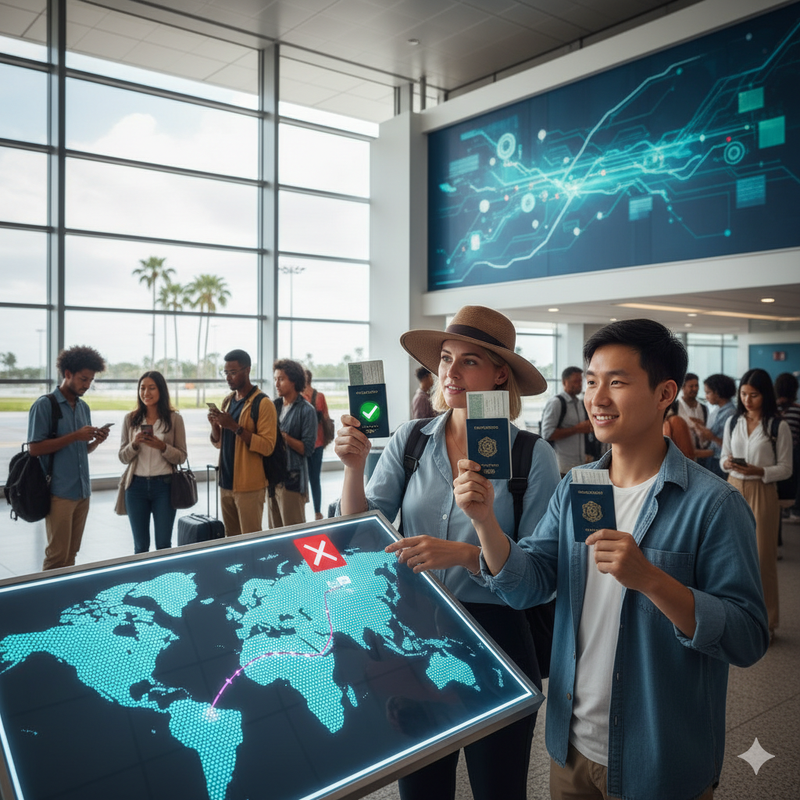
Yes — a number of nationalities are exempt (i.e., they can enter Cuba without needing a tourist visa or eVisa) for short-term visits. For example:
- China, Malaysia, Singapore, Russia, Serbia, Belarus, Mongolia, etc.
- Some countries are exempt for specific durations (e.g., 30, 60, 90 days) depending on bilateral agreements.
Important caveat: Just because you find your country on an “exempt†list doesn’t mean you should assume everything is done. You still need to meet other requirements (passport validity, travel insurance, onward ticket, etc.). More on that below.
Also: Even if you are exempt for “tourist visa,†if you are transiting (especially leaving the airport, staying longer, or switching flights) the rule may differ — always check your specific route and airline check-in requirements.
How to apply for a Cuba transit eVisa?
This section steps you through the How to Apply for a Cuba eVisa?
- Gather your documents (passport, photo, travel itinerary, accommodation info, insurance) — more detail below.
- Fill out the application form: You’ll enter personal details (name, passport number, nationality), travel details, and pick your arrival airport/entry point.
- Pay the fee: Payment is via credit/debit card or other approved method.
- Receive your approved eVisa: Once approved, you’ll get an email with the eVisa document or code. Print it out (and keep a digital copy too).
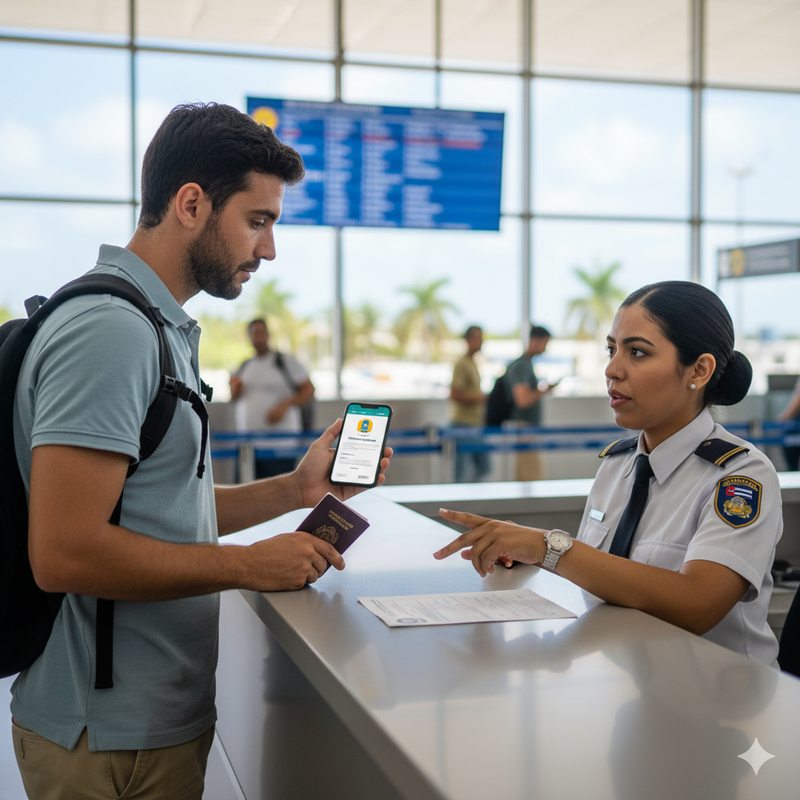
- At check-in / arrival: Present your passport, the eVisa approval or code, your D’Viajeros QR code, travel insurance certificate, onward/return ticket, and proof of accommodation.
- Entry & Stamp: Upon arrival in Cuba you’ll be stamped in (or logged) with your entry permit. Then enjoy your time!
- If you plan a stay longer than initial permit, arrange extension via immigration offices while in Cuba (see below).
Transit-specific considerations
If you are just transiting through Cuba (i.e., changing flights and not planning to clear immigration or stay long), you might not require a full tourist eVisa — but this depends heavily on your airline, whether you leave the airport transit zone, and your nationality. One source suggests: “a visa is not required if you stay less than 72 hours in transit and you don’t wish to leave the terminal.â€
Key tip: Contact your airline and Cuban immigration for your specific itinerary to avoid being denied boarding or entry.
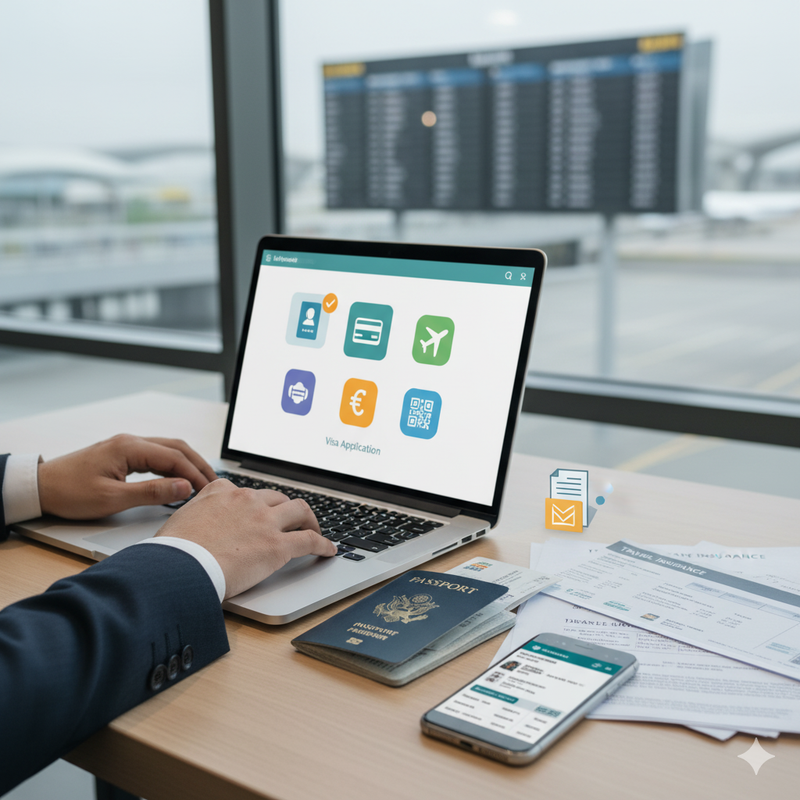
What documents are required for a Cuba eVisa?
Here’s a friendly list of what you’ll need to gather.
Valid passport
- Must be valid for at 6 months from your entry date (or meet Cuba’s requirement).
- Blank pages for stamps.
- Recent digital photograph (passport-size) – if required by the online form.
- E-Visa application form – completed online with accurate personal and travel info.
- Travel itinerary / arrival details – flight number, date, entry point (airport or seaport).
- Accommodation proof / lodging address – hotel booking or casas particulares address.
- Return or onward travel ticket – proof you will leave Cuba at the end of stay.
- Travel insurance – that covers medical expenses in Cuba. Some airlines check this.
- Financial means – you may need to show you can support yourself (some sources indicate USD 50/day or similar as guideline).
- D’Viajeros form – after eVisa approval, fill in this pre-arrival online form and produce QR code.
Additional suggestions
- Carry a printed copy of your eVisa approval plus a backup digital version.
- Keep copies of all documents (on phone/cloud) in case you lose originals.
- Check your airline’s check-in requirements; some airlines will refuse boarding if you don’t have the eVisa or necessary codes in advance.
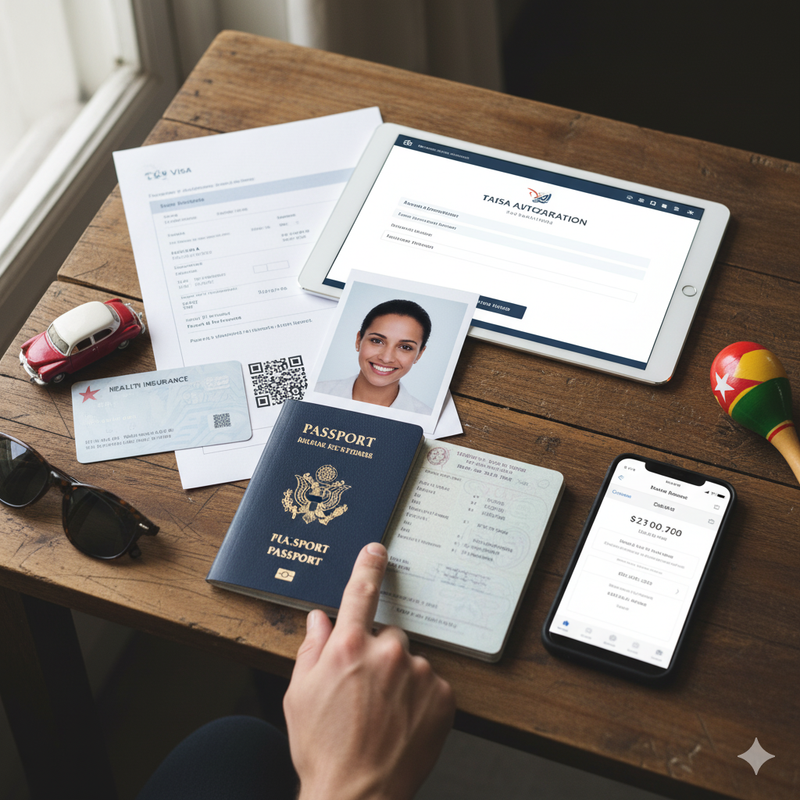
How much does the Cuba eVisa cost?
Here’s the low-down on the cost. Like many travel documents, there is a government fee and often a service fee (if using an agency).
- One service indicates a government fee of plus service fee of (via Visagov) for the “Tourist eVisa + D’Viajerosâ€.
- Another provider indicates a total cost (including service fee) for tourist eVisa + D’Viajeros.
- Always check current official fees, because these may change.
- If you use an intermediary agency, expect extra service charge on top of official fees.
- Tip: Apply early so you can budget accordingly and avoid last-minute high-cost options.
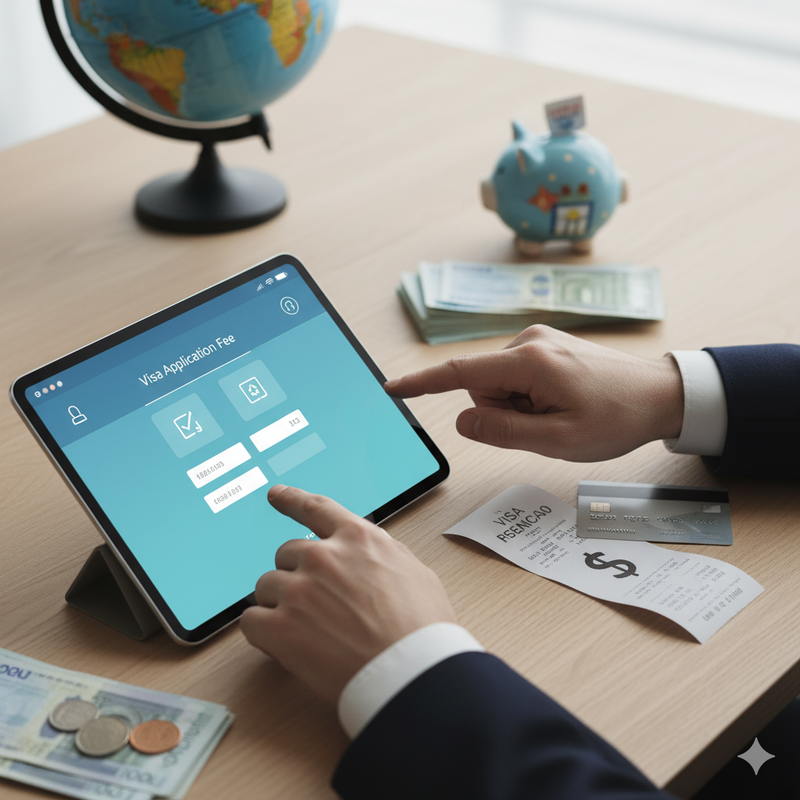
How many entries does the Cuba eVisa allow?
In most cases: single entry only. That means you enter Cuba once under that eVisa; if you leave the country you would likely need a new visa to re-enter.
Some things to note:
- Multi-entry eVisas are generally not offered for the standard tourist permit.
- If you do leave and want to return, you may need to apply for a fresh eVisa (or obtain entry permit via Cuban immigration/consulate) depending on your circumstances.
- If you plan a stop-over or transit and then a departure, make sure you know which scenario your route falls under (transit vs full entry).
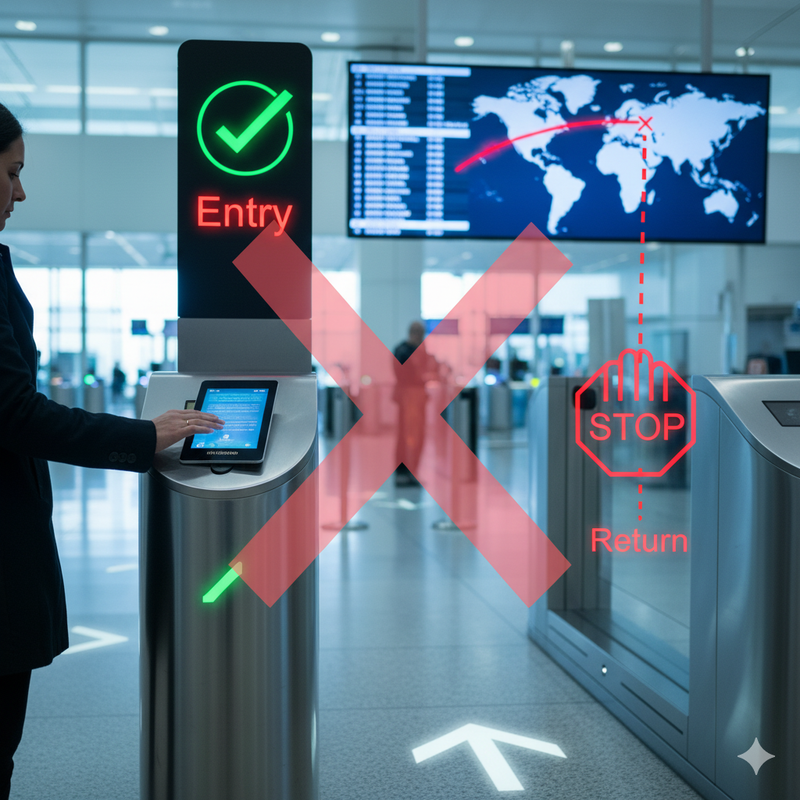
How long can I stay in Cuba on the eVisa?
Here’s the scoop on stay duration:
- The standard tourist eVisa allows up to 90 days (≈ 3 months) stay in Cuba in one visit.
- Some sources indicate that you can extend this stay once for another 90 days (so potentially up to ~180 days total) via Cuban immigration while in Cuba.
- Important: The 90-day stay is for one continuous visit (unless you secure the extension).
- Also, your eVisa may have a validity window (for example, must enter within X days of issuance) – check when you apply.
- For transit only (if you don’t clear immigration) you may stay in the transit zone for much less (some sources say <72 h) without full visa.
Bottom line: If you’re doing a holiday for a few weeks, you’re fine. If you’re planning a long extended stay, you should plan ahead for the extension.

Can I extend my stay in Cuba after entering on the eVisa?
Yes — in many cases you can Cuba eVisa Extension your stay, but you’ll need to follow the process.
What you should know
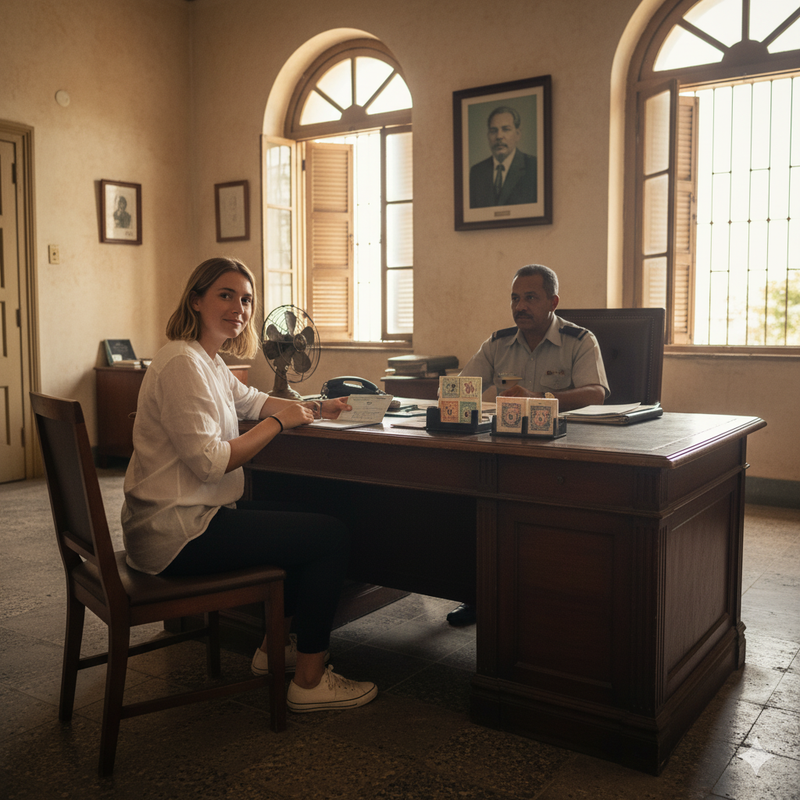
- The extension is usually handled by the Cuban immigration office (the “Oficinas de Trámites de la Dirección de Identificación, Inmigración y ExtranjerÃa†– DIIE) in the city where you’re staying.
- You’ll need to present your original passport, copy of your eVisa/entry stamp, proof of accommodation, travel insurance, and possibly proof of onward ticket or funds.
- There will be a fee for the extension (make sure you check local amount). One source: you might need to purchase “sellos†(stamps) at the postâ€office for payment.
- The extension is not guaranteed; immigration officials have discretion.
- Once you extend, your total stay may approach ~180 days (for one extension) if allowed.
Tip for travellers
If you think you may want to stay more than 90 days, plan ahead: book flexible accommodation, keep original paperwork handy, and budget for extension fees. Talk to your host/hotel since they often know how to navigate local steps.
Which airports/entry points accept the Cuba eVisa?
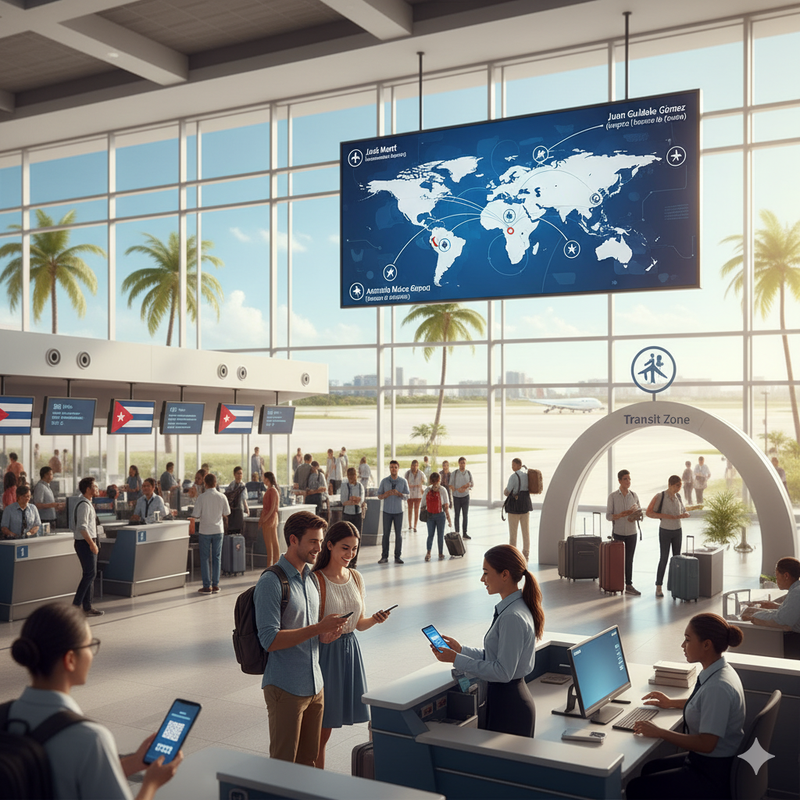
The eVisa is valid for all major entry points into Cuba where immigration is staffed, including airports and seaports. According to official regulations: you can apply online, and the eVisa is valid for entry at international airports.
Some of the primary airports in Cuba are:
- José Martà International Airport (Havana)
- Juan Gualberto Gómez Airport (Varadero)
- Antonio Maceo Airport (Santiago de Cuba)
- Other regional airports or ports of entry, as long as you have your documentation.
Transit/stop-over: special note
If your route is a genuine “transit†(you stay in the international terminal and your luggage is checked through without clearing immigration), you may not need full entry at the airport staff might just let you continue. But if you exit the terminal, stay longer, or change airports, you may need full entry eVisa. One provider says: “Is a visa required for transit through Cuba? A transit visa is not required while you transit through Cuba… if you have an onward ticket within 72 hours and you don’t wish to leave the terminal.â€
Important: This “transit exemption†is not always straightforward — verify with your airline and ensure your boarding pass will accept your route.
Can I get the eVisa on arrival in Cuba?
In short: no, you should not rely on obtaining the tourist eVisa on arrival. The system in Cuba has evolved to require the eVisa in advance for most travellers.
Here are key points:
- The old “tourist card†system, where you sometimes purchased at airport, is being phased out; paper cards are no longer being issued for many nationalities as of the cut-off date (for example June 2025) and you must use eVisa.
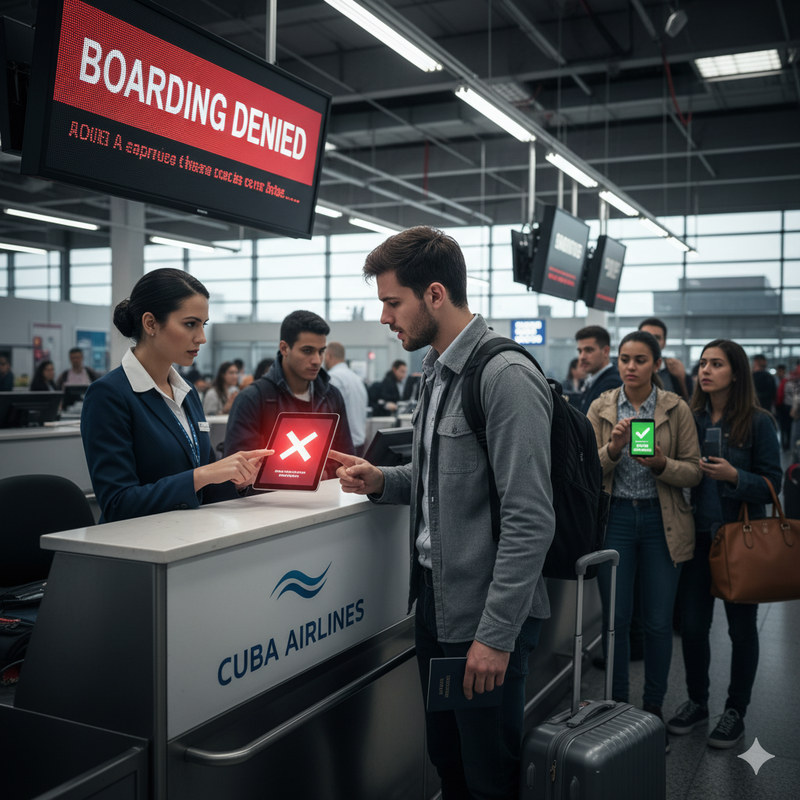
- Airlines may refuse boarding if you don’t have proof of eVisa ahead of departure. There are traveller reports indicating airlines did not allow boarding without the visa number registered.
- In rare cases, some travellers may obtain a last-minute visa/permit via airline partner or at check-in, but this is risky, possibly more expensive, and not guaranteed.
Recommendation: Obtain your eVisa before travelling – don’t gamble on doing it at arrival.
Do I need travel insurance, and is it checked at the airport with the eVisa?
Yes — having Cuba Travel Insurance covering requirement and is often checked at arrival. Some airlines also check it before boarding.
Why insurance is important
- The Cuban authorities require all travellers to hold valid health-medical insurance that covers you while you are in Cuba.
- The insurance should ideally cover medical emergencies, hospitalisation, evacuation if needed.
- Your airline might ask for proof when you check in: some travellers report being asked for insurance certificate.
Practical tips
- Buy insurance that specifies coverage in Cuba. Some global travel policies exclude certain countries or types of travel.
- Bring printed/ digital copy of the insurance certificate and policy number, with English or Spanish translation if possible.
- Keep a copy in your carry-on and phone.
- At the airport in Cuba, the immigration officer may ask to see it before allowing entry.
Travel Tips
Here are some friendly, practical travel tips for your Cuba trip with eVisa in mind:
- Apply at least 1-2 weeks ahead: While many applications are processed quickly (48–72 hours) for the eVisa, it’s wise to leave buffer time. One guide states 48 hours processing for most.
- Print your eVisa and keep digital backup: Carry physical print-out of your approved eVisa (or code) and also have it on your phone/cloud.
- Complete the D’Viajeros form within time window: Usually this has to be done within a few days prior to departure. Missing it may cause delays on arrival.
- Double-check your flight/airline requirements: Some airlines may require proof of visa before flying. You might be denied boarding at your origin if you don’t have the eVisa.
- Have your accommodation details ready: You’ll need address/hotel name when filling forms; Cuban immigration may ask.
Cuba eVisa FAQs
Q: I’m changing flights in Cuba but staying less than 24 hours – do I still need the eVisa?
A: Possibly not — if you remain in the international transit zone of the airport, do not clear immigration and depart within a short window (e.g., 72 hours), you may not require the full tourist eVisa. One provider notes: “Is a visa required for transit through Cuba?… if you have an onward ticket within 72 hours and you don’t wish to leave the terminal.â€
Tip: Confirm with your airline and ensure your boarding pass allows this transit without immigration.
Q: My passport expires in five months – is that okay for Cuba?
A: You should check that your passport meets the minimum validity requirement. Sources say passports must be valid for at least six months from entry.
If yours is only five months left, consider renewing before travel to avoid issues.
Q: Can I apply for the eVisa at the airport when I arrive in Cuba?
A: No guarantee — the paper-tourist cards are being phased out, and many airlines will require the eVisa ahead of time. It’s best to apply online before departure.
Q: Can I work or do business in Cuba with the tourist eVisa?
A: No — the tourist eVisa is strictly for tourism, visiting friends/family, sightseeing etc. Not for employment, business activities, study, or permanent residence.
Q: What happens if I overstay my 90-day permit?
A: Overstaying may lead to fines, issues at departure, or problems if you try to re-enter Cuba later. If you think you will stay longer, apply for the extension in time.
Q: My nationality is on the “exempt†list — do I still need travel insurance and forms?
A: Yes — exemption from the visa permit does not exempt you from other entry requirements such as passport validity, travel insurance, D’Viajeros form (if applicable), onward ticket, accommodation proof. Always check the full set of requirements.
Q: I want to stay 6 months in Cuba – is that possible with eVisa + extension?
A: In many cases you could do approx. 90 days + one extension of ~90 days (so ~180 days total). But for longer stays, or for work/study, a different visa category would be required. Confirm with Cuban immigration for your scenario.
Final Thoughts
Travelling to Cuba is exciting — from colourful streets of Havana to the relaxed beaches of Varadero, the country offers a unique travel experience. But as with any international trip, getting your visa details squared away ahead of time saves a lot of stress.
The key take-aways:
- Apply for the eVisa in advance, especially if you will land, clear immigration, stay for days, or plan to stay up to 90 days or more.
- Know whether you are simply transiting (and staying within the terminal) or fully entering the country – the visa requirements differ.
- Make sure your documents (passport validity, travel insurance, onward ticket, accommodation) are in order.
- Understand that the eVisa in most cases allows a single entry, up to ~90 days stay, possibly extendable once.
- Check that your route, airline, and timing meet the requirements — some airlines may insist on proof of eVisa before boarding.
- Use reputable official sources or trusted visa-service providers; immigration rules can shift.
- And finally: once you’re inside Cuba, relax and soak up the culture, the music, the food – but stay on the right side of the law and rules.
Written By:
Dorian Kane

Hotels at your convenience
Now choose your stay according to your preference. From finding a place for your dream destination or a mere weekend getaway to business accommodations or brief stay, we have got you covered. Explore hotels as per your mood.