Zambia and Zimbabwe Victoria Falls
 Sofia Muller
17 Nov, 2025
30 mins read
192
Sofia Muller
17 Nov, 2025
30 mins read
192

Straddling the border between two countries, Victoria Falls is a thundering testament to the power of nature. Known locally as Mosi-oa-Tunya, or "The Smoke that Thunders," this colossal sheet of falling water is one of the Seven Natural Wonders of the World. But for travelers, its location presents a critical question: should you visit from the Zambian side or the Zimbabwean side?
This is the ultimate dilemma for anyone planning a trip. You've seen the photos, you've heard the roar, but you're stuck on logistics. Which side offers the better views? Which has more activities? And how do you navigate costs, Zambia Tourist E-visa, and the best time to go?
As someone who has stood in the spray on both sides of the border, I'm here to tell you that the answer isn't as simple as one being "better" than the other. They are just different. Each side offers a unique perspective and a completely different experience.
Let's break down the Zambia vs. Zimbabwe debate, so you can decide which side—or, ideally, both—is right for your adventure.
So, Which Side of Victoria Falls is Best for Views?
This is the most-asked question, and the answer almost entirely depends on the time of year. However, as a general rule, the Zimbabwean side has more viewpoints.
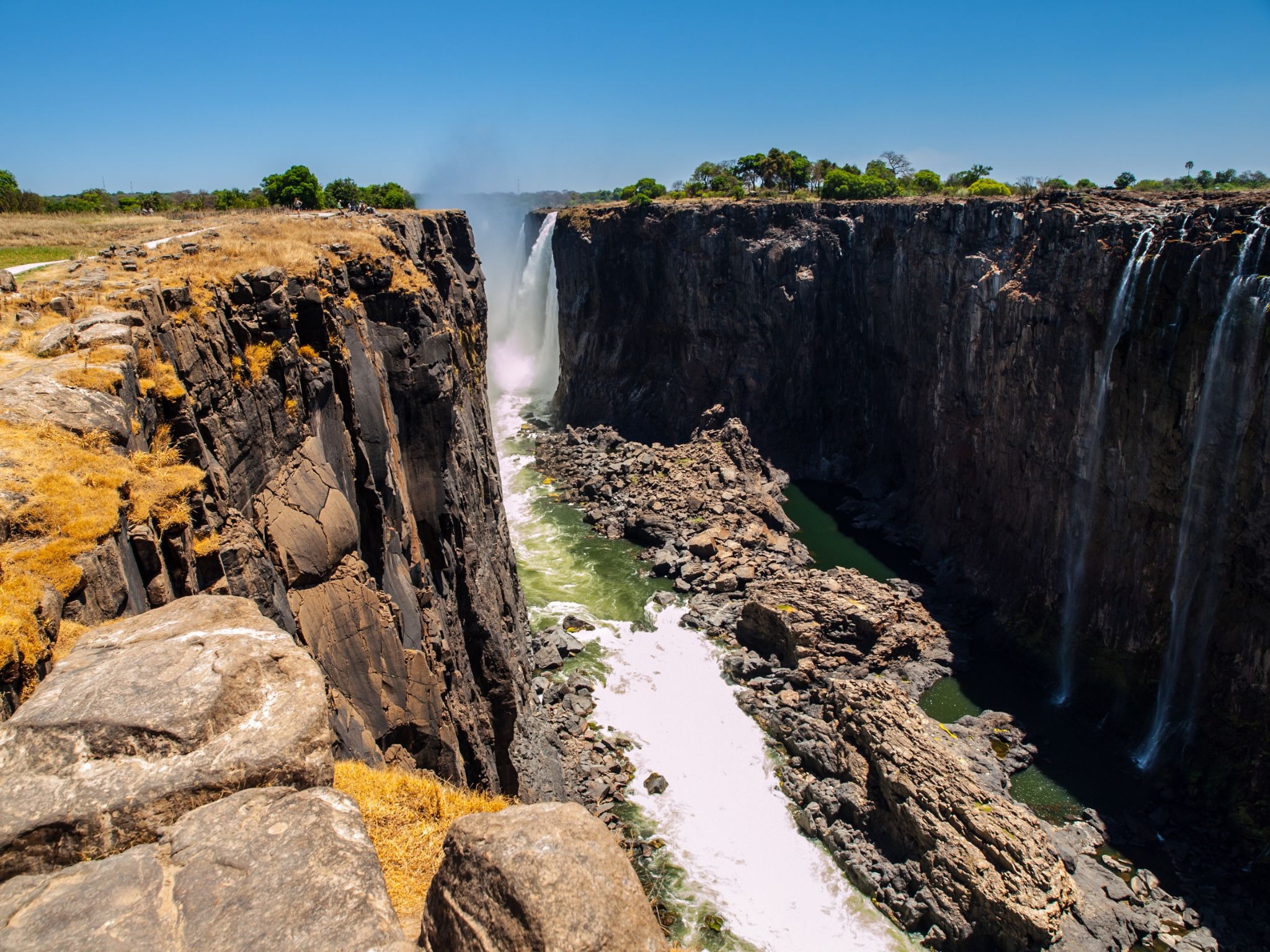
About 75% of the 1.7-kilometer-wide falls lie within Zimbabwe's borders. This means you get the grand, panoramic, postcard-perfect vistas you’ve probably seen in magazines.
The Zimbabwean Side: The Postcard Panorama
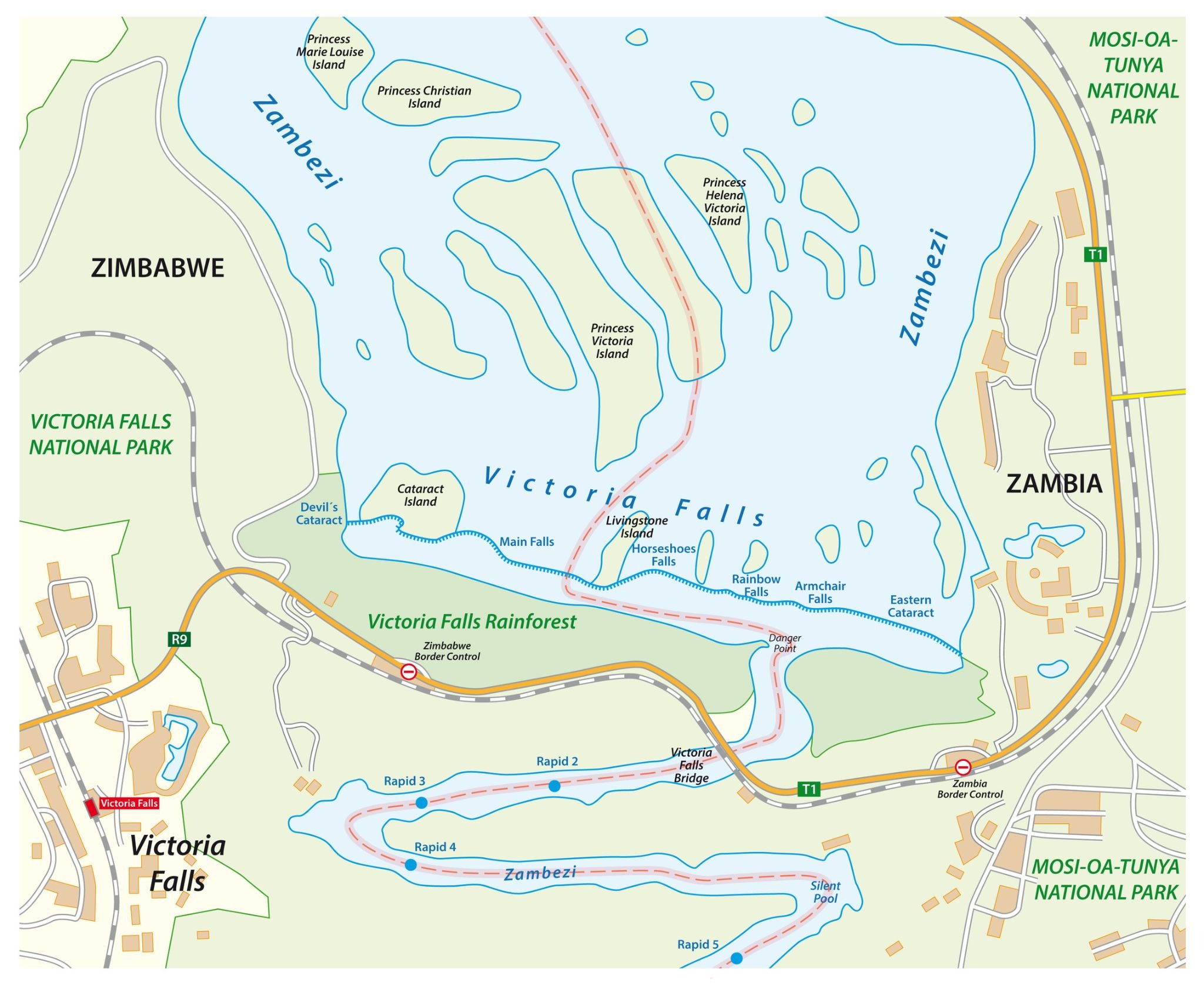
Visiting the falls from Victoria Falls town in Zimbabwe means walking through the lush Victoria Falls Rainforest. A well-maintained path guides you to 16 distinct viewpoints, each offering a different angle of the Main Falls, Devil's Cataract, and Horseshoe Falls.
The key advantage here is perspective. You are looking at the falls from a short distance, allowing you to appreciate the sheer scale and magnitude of the entire curtain of water. In the low water season, this is the side to be on, as the Zambian side can slow to a trickle.
The Zambian Side: The Up-Close & Personal Soaking
If Zimbabwe is about the panorama, Zambia is about the power. The experience from the Livingstone side is visceral. You are closer to the water, and in the high water season, you will get completely, utterly drenched.
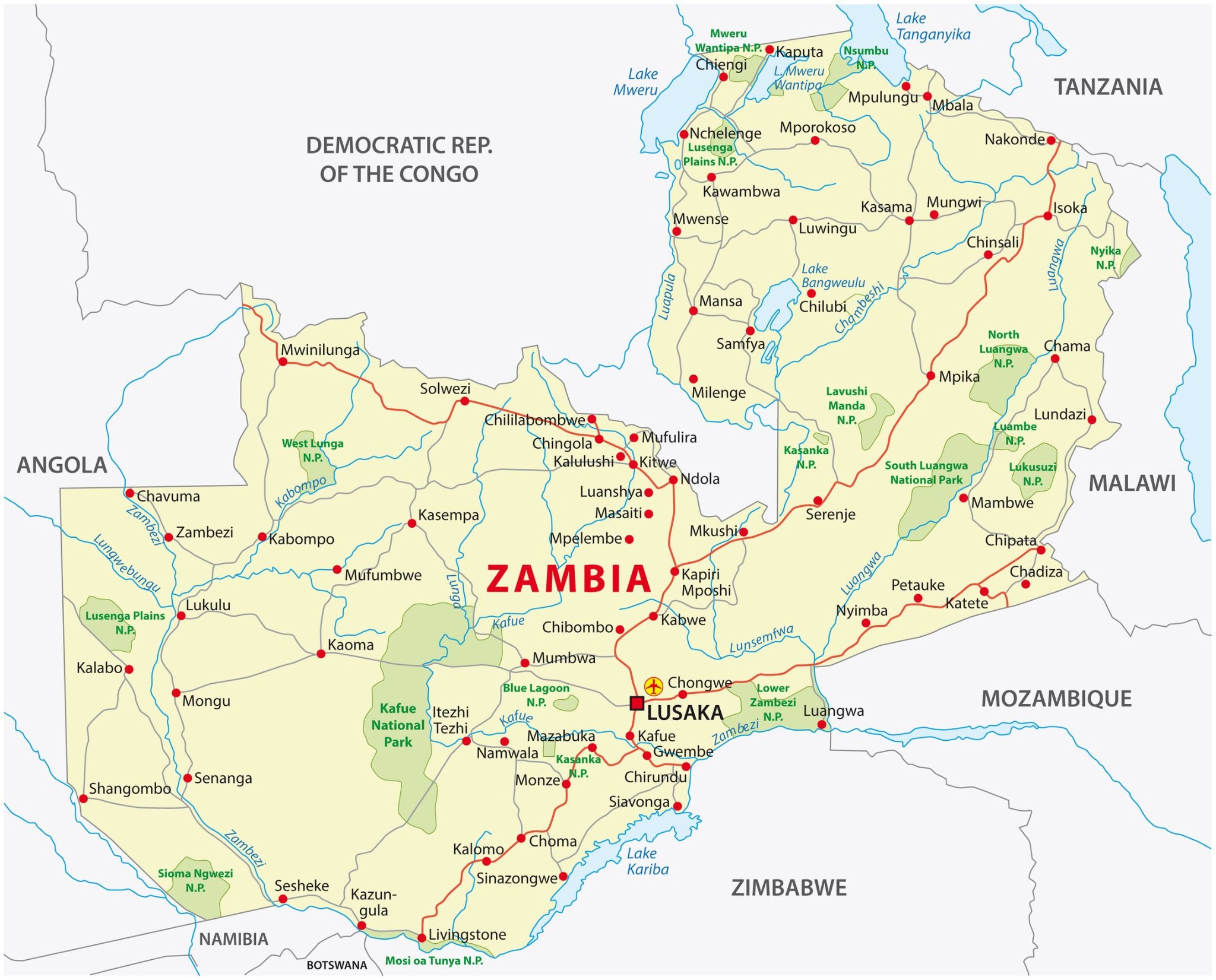
The famous Knife-Edge Bridge is the highlight here. It’s a narrow footbridge that takes you right into the heart of the "smoke," with the Eastern Cataract crashing into the gorge beside you. It’s less about seeing the whole falls and more about feeling them. You'll also find paths that lead you down to the Boiling Pot, a swirling vortex at the base of the falls.
What's the Best Time to Visit Victoria Falls?
Your experience will be radically different depending on when you go. The Zambezi River's flow is seasonal, creating two distinct visiting seasons and Best Time to Visit Zambia:
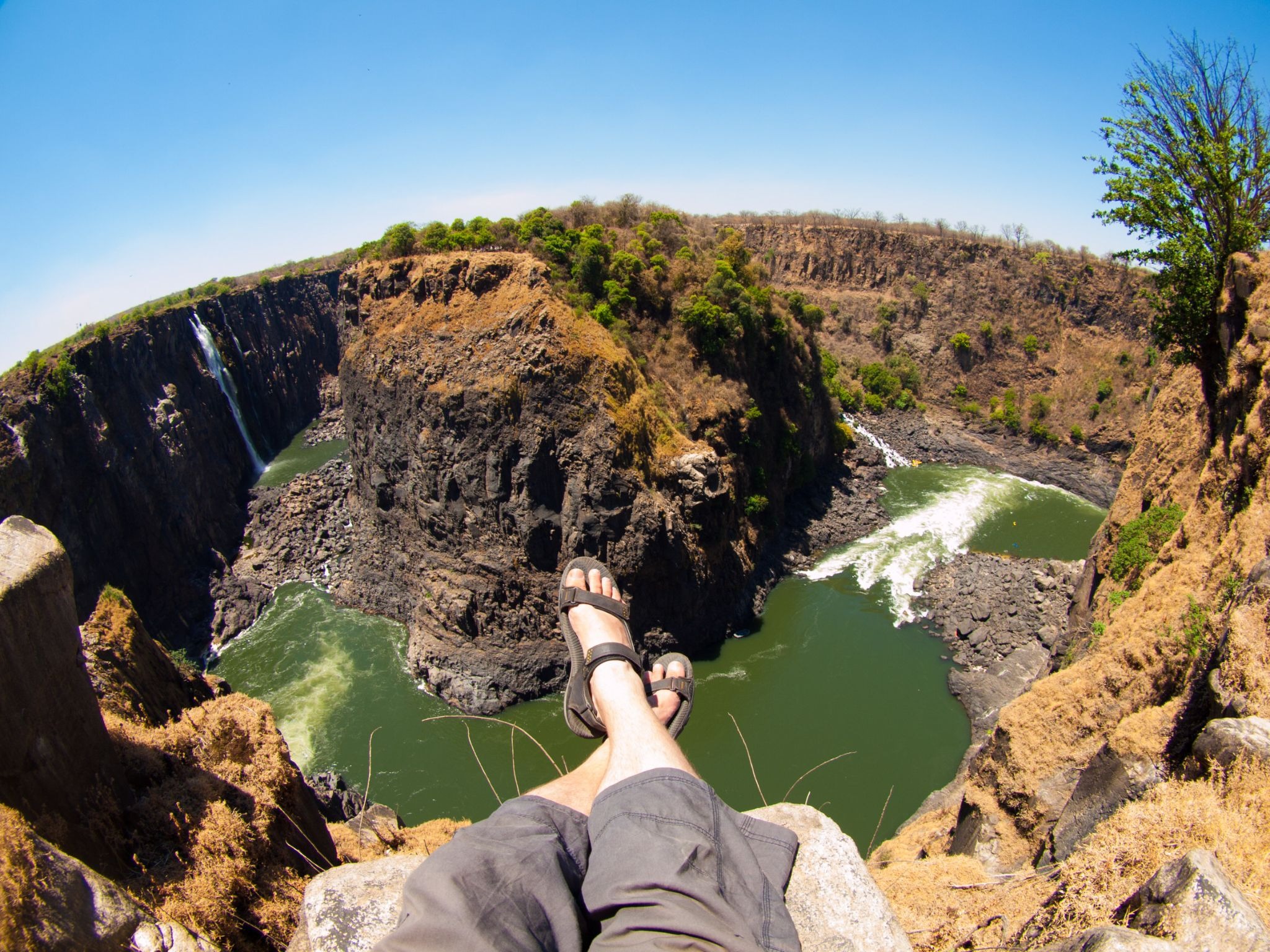
The High Water Season (February - May)
This is when the Zambezi River is at its peak, flowing with unimaginable power after the summer rains.
- Pros: The sound is deafening. The "smoke" can rise 400 meters into the air and be seen from miles away. The falls are at their most powerful and dramatic.
- Cons: The spray is so intense that visibility can be near zero. You'll be soaked in seconds (ponchos are essential), and photography is challenging. The Knife-Edge Bridge on the Zambian side can be terrifyingly intense or even closed. Many water-based activities, like rafting and Devil's Pool, are closed.
The Low Water Season (August - January)
After the long dry season, the river's flow slows significantly.
- Pros: Visibility is excellent. You can see the full geological structure of the gorge and the rock face behind the water. This is the only time you can access activities like Devil's Pool and Livingstone Island. White-water rafting is at its most thrilling as the rapids are more exposed.
- Cons: The falls lose some of their thunder. On the Zambian side, the Eastern Cataract can dry up completely, leaving just a rock wall. The "wow" factor of sheer volume is diminished.
How Many Days Do You Need in Victoria Falls?
While you can "see" the falls in a single day, you'll be rushed. To truly experience the area, plan for at least two to three days.
- Day 1: Explore the Zimbabwean side's viewpoints and take a sunset cruise on the Zambezi.
- Day 2: Cross the border to the Zambian side, walk the Knife-Edge Bridge, and (if in low season) do the Devil's Pool tour.
- Day 3: Dedicate this day to a major activity like white-water rafting, a helicopter flight, or a day trip to Chobe National Park in nearby Botswana.
What is Devil's Pool (And Can I Really Swim on the Edge)?
You’ve seen the photos: people leaning over the edge of the world's largest waterfall. Yes, this is a real thing, and yes, it's as insane as it looks.
Devil's Pool is a natural rock pool right on the lip of the falls. A submerged rock wall stops you from being swept over. This heart-stopping activity is only accessible from the Zambian side and only during the low water season (typically mid-August to late December) when the river is low enough to be safe. You must book this tour in advance, as spots are limited and sell out.
What About Livingstone Island?
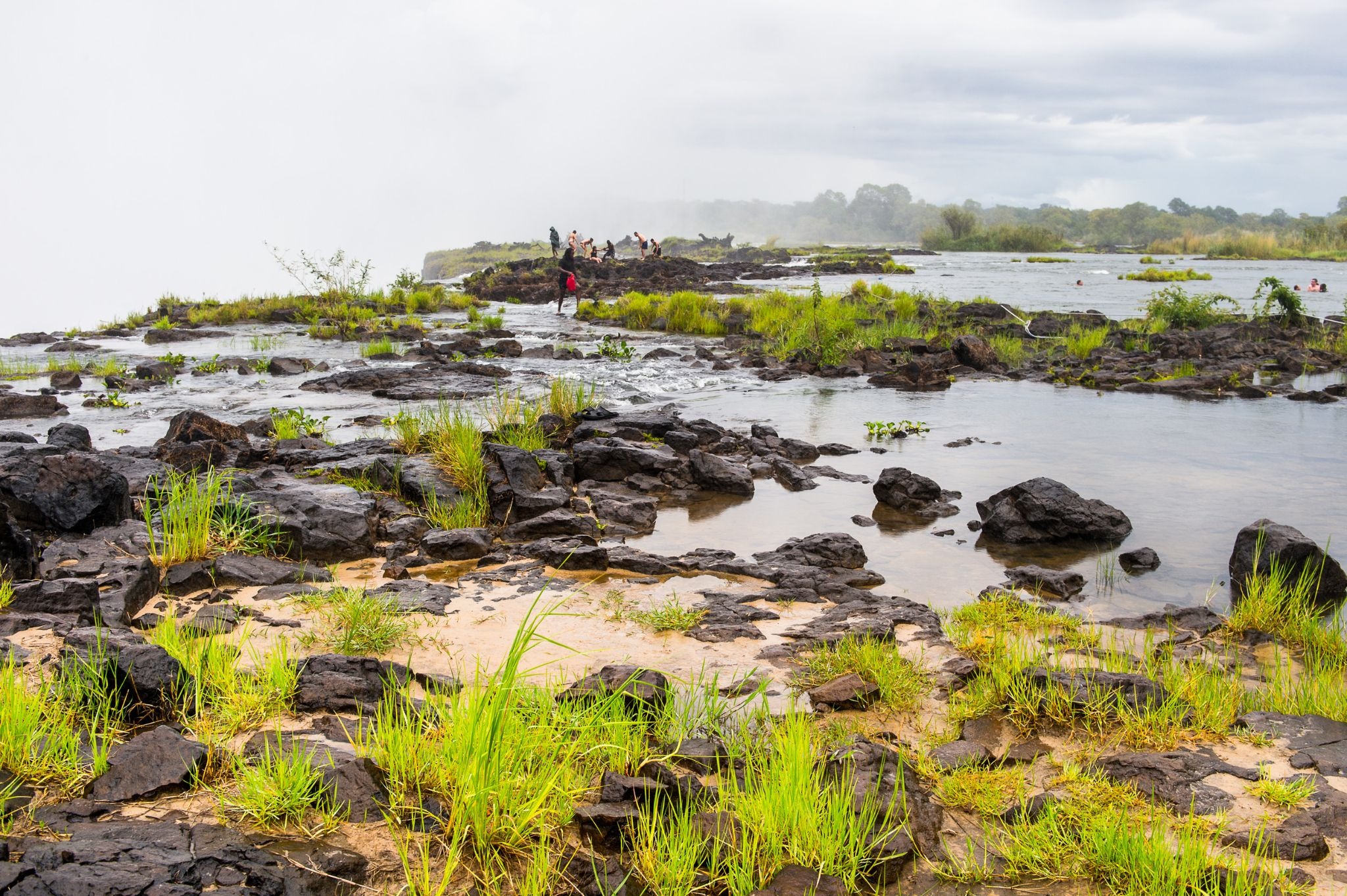
Access to Devil's Pool is part of a tour to Livingstone Island, a small island in the middle of the Zambezi River right where Dr. David Livingstone first viewed the falls. Tours are run by a single operator and often include breakfast, lunch, or high tea. It’s a spectacular experience that is exclusive to Zambia.
Top Activities on the Zimbabwe Side
While the main attraction is the rainforest walk, the town of Victoria Falls is a hub for high-end adventures.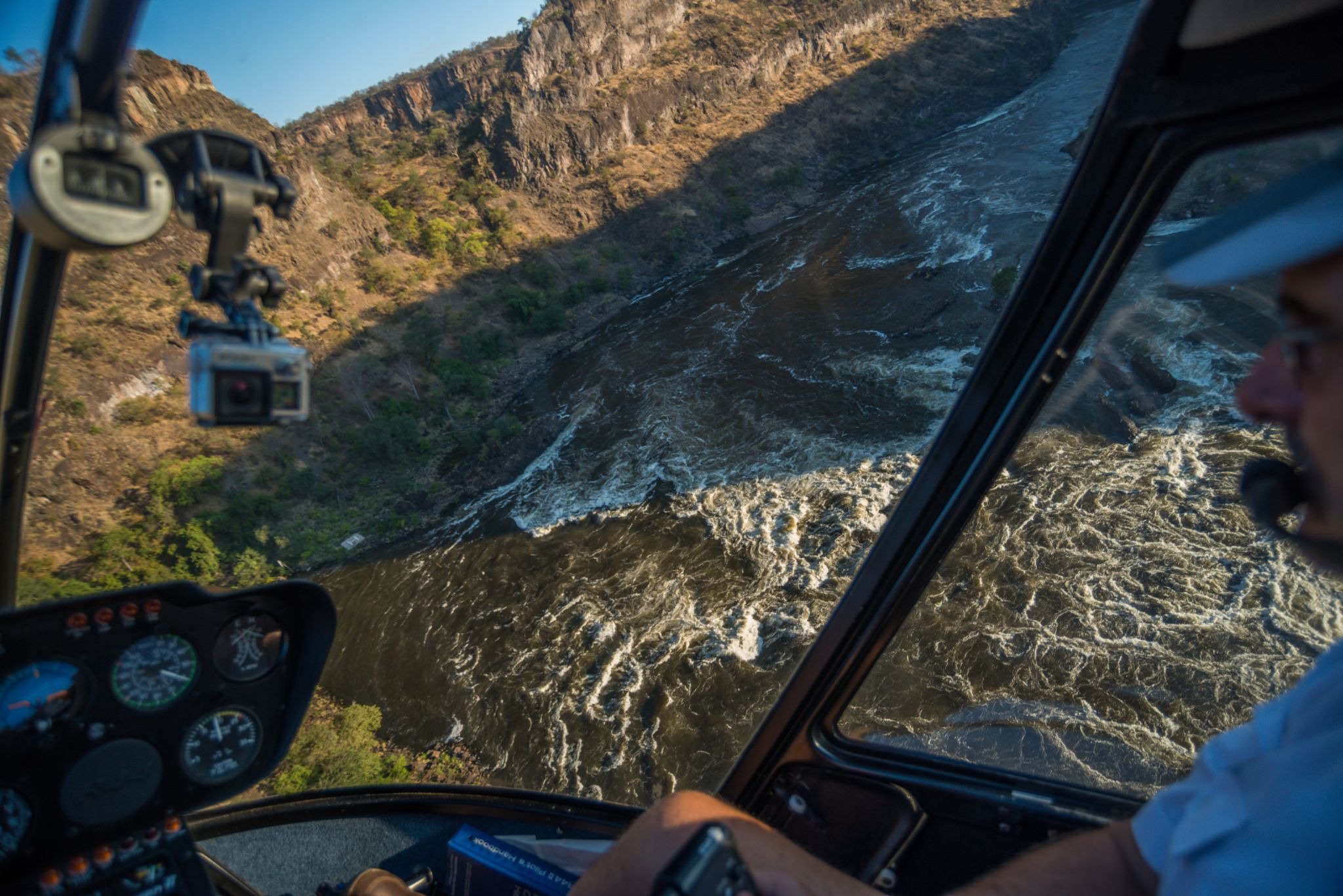
- Helicopter "Flight of Angels": This is arguably the best way to comprehend the falls' scale. Most helicopter tours take off from the Zimbabwean side.
- The Victoria Falls Hotel High Tea: A throwback to the colonial era, enjoying tea and scones on the hotel's terrace with a view of the spray in the distance is a classic experience.
- Sunset Cruises: The Zambezi River upstream from the falls is calm and beautiful, full of hippos and birdlife. A sunset cruise with drinks and snacks is a must. Pro Tip: Sit on the right side of the boat (when heading upstream) for the best wildlife viewing along the Zimbabwean bank.
Top Activities on the Zambia Side
Livingstone, the Zambian base town, offers some unique thrills that Zimbabwe doesn't.
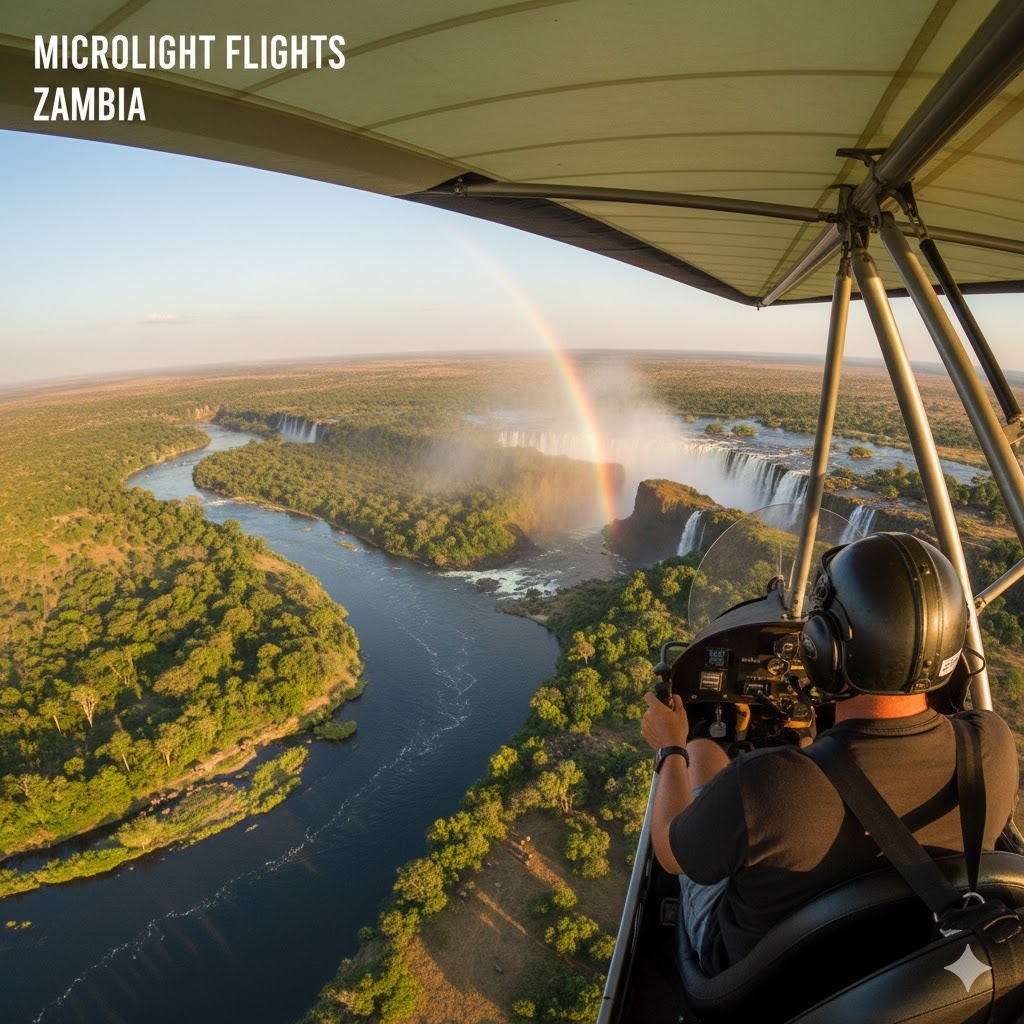
- Microlight Flights: If a helicopter is too tame, a microlight is an open-air cockpit that flies you directly over the gorge. It's an unforgettable, wind-in-your-face adventure.
- Livingstone Town: Livingstone has a more "authentic" African town feel compared to its counterpart, with a rich history and a great local museum.
Activities on Both Sides: The Adrenaline Capital
Many activities are accessible from either side, as operators will often pick you up.
- Bungee Jumping: The 111-meter leap from the Victoria Falls Bridge (the "no-man's land" border post) is one of the world's most scenic jumps.
- White Water Rafting: Consistently ranked as the best one-day white water rafting in the world. The "low water" season (Aug-Jan) offers the biggest, most thrilling "Class V" rapids. Be warned: This isn't just a float. The hike down into the Batoka Gorge (and back up) is brutally steep, with over 400 steps, but it's worth it.
- Gorge Swing & Zipline: Several companies offer these high-adrenaline activities in the Batoka Gorge, downstream from the falls.
Victoria Falls Town (Zimbabwe) vs. Livingstone (Zambia)
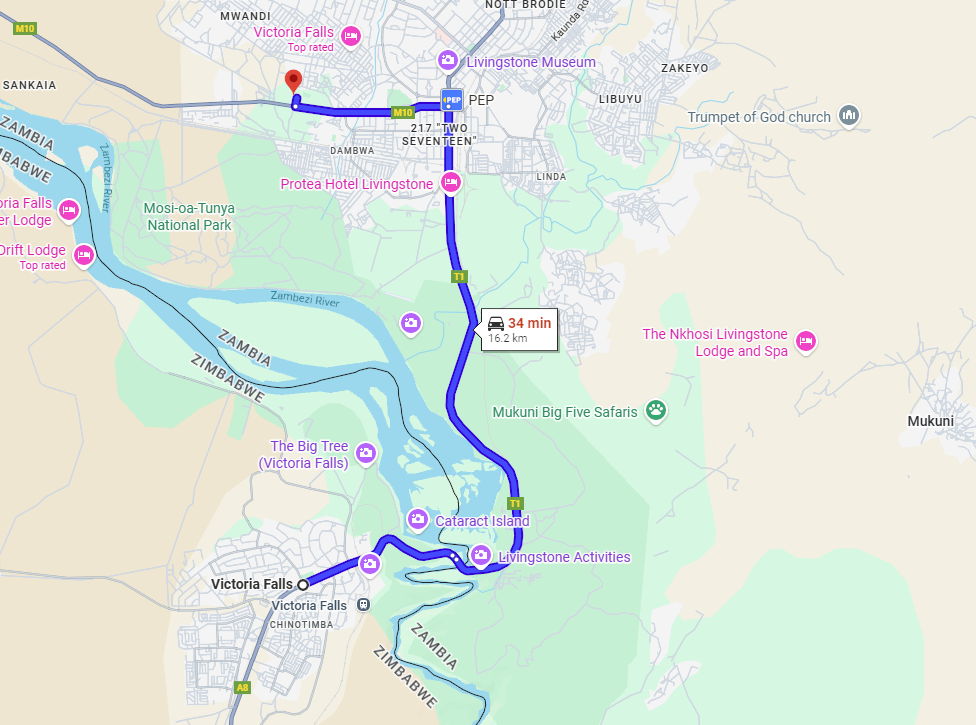
Your base of operations also matters.
- Victoria Falls Town (Zimbabwe): This town was purpose-built for tourism. It's smaller, cleaner, and very walkable. You can easily walk from most hotels directly to the falls entrance. It feels a bit more like a resort town.
- Livingstone (Zambia): This is a larger, historic colonial city. It has more of a "real" city feel, with markets, museums, and a bustling local life. The catch? It's about 11 kilometers (7 miles) from the falls, so you will need to take a taxi or shuttle to the entrance.
How Much Does it Cost to Visit Victoria Falls? (Park Fees Compared)
This is a key budget consideration. You must pay a park entrance fee on each side you visit, and the fees are different. (Note: Prices are subject to change and are for international visitors).
- Zimbabwe (Victoria Falls Rainforest): $50 USD per person
- Zambia (Mosi-oa-Tunya National Park): $20 USD per person
The higher fee on the Zimbabwean side is often justified by the greater number of viewpoints and more extensive park area.
KAZA Visa and Single-Entry, and E-Visas Explained
This is the most confusing part for many travelers, but it's simple once you know the options. Always carry US dollars in cash for visa payments, especially at land borders.
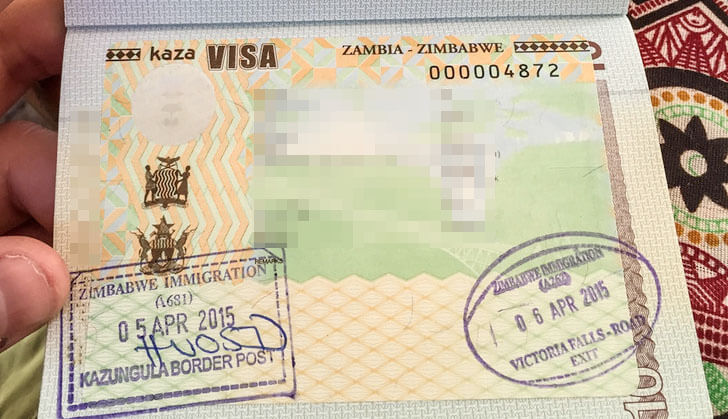
The Best Option: KAZA UniVisa
If you plan to visit both sides (and you should!)KAZA UniVisa is your best friend.
- What it is: A single visa that allows travel between Zimbabwe and Zambia as many times as you like within 30 days. It also covers day trips to Botswana (e.g., for a Chobe safari).
- Where to get it: On arrival at the airport in either Livingstone (LVI) or Victoria Falls (VFA), or at the land border.
Standard Single-Entry Visas
If you are 100% certain you are only visiting one side, you can buy a single-entry visa. This is almost always a bad deal, as the KAZA UniVisa is often the same price or cheaper.
- Zimbabwe Single-Entry: ~ (depends on nationality. UK/Canada are more expensive).
- Zambia Single-Entry: ~depends on nationality
What about E-Visas?
Both countries have online e-visa. In theory, this lets you apply and pay in advance. However, the websites can be finicky, and it's often easier to simply get your visa on arrival, especially if you're eligible for the KAZA UniVisa.
How to Cross the Border (and Why It's Easy)
The two countries are connected by the iconic Victoria Falls Bridge. You can walk, drive, or take a taxi across. The walk itself (15-20 minutes) is fantastic, offering great views of the gorge and the bungee jumpers.
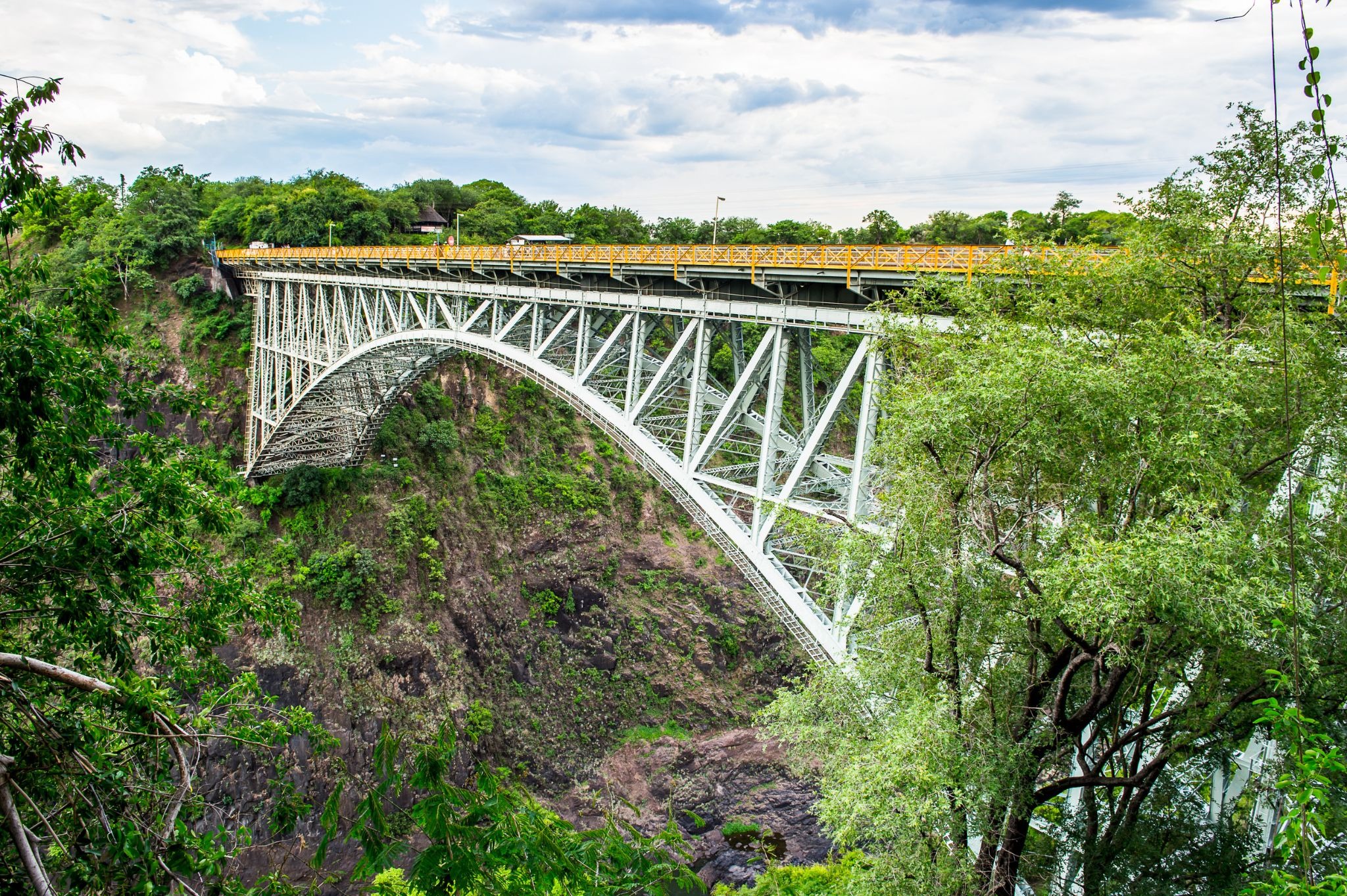
- The Process: You will get stamped out of the country you are in, walk across the bridge (which is "no-man's land"), and then get stamped into the new country at their immigration post.
- Border Delays: The walk is easy, but the immigration queues can be slow (30-60 minutes). Be patient, have your visa-ready cash in hand, and don't plan any tight connections.
Is it safe to walk around Victoria Falls?
Yes, during the day. Victoria Falls Town (Zimbabwe) is very safe and built for tourists to walk around. Livingstone (Zambia) is also safe, but you'll likely use taxis due to the distance.
However, DO NOT walk around at night. This is not primarily due to crime (which is low), but because of wildlife.
- Wildlife in Town: This is not a petting zoo. Elephants and hippos (the most dangerous animal in Africa) regularly walk through the towns at night to graze. They are wild and unpredictable. Always take a taxi after dark, even for short distances.
- Baboons & Monkeys: They are bold and will steal your food or bag. Keep your hotel doors locked and don't feed them.
- Touts & Vendors: You will be approached by persistent vendors. A polite but firm "no, thank you" is usually enough.
What currency is used in Victoria Falls?

This is a critical, and slightly complex, question.
- The Baseline: The US Dollar (USD) is the king. It is the main tourist currency on both sides. Bring it for visas, park fees, and all major activities.
- Zimbabwe: Officially, Zimbabwe has a new currency (the Zimbabwe Gold or "ZiG"), but for tourists, USD is what you will use.
- Pristine Bills: Your USD must be in perfect condition. Bills that are torn, written on, or even heavily creased will be rejected. Bills printed before 2009 are often also rejected.
- Small Change: Bring a lot of small bills ($1, $5, $10). Getting change for a $50 or $100 bill is nearly impossible.
- ATMs: Do not rely on them. They are often empty or non-functional.
- Zambia: The official currency is the Zambian Kwacha (ZMW). While USD is accepted for big things, you will want Kwacha for smaller purchases at markets or local restaurants. You can get this from an ATM in Livingstone.
What is the malaria risk at Victoria Falls?
Yes, there is a risk. Victoria Falls is in a low-risk malaria zone, but not a zero-risk zone. The risk is higher in the wet season (November-April).
- Action: Consult your doctor about anti-malarial prophylaxis before your trip.
- Prevention: Use insect repellent (with DEET), and wear long-sleeved shirts and pants at dusk and dawn when mosquitoes are most active.
Can you see Victoria Falls without paying?
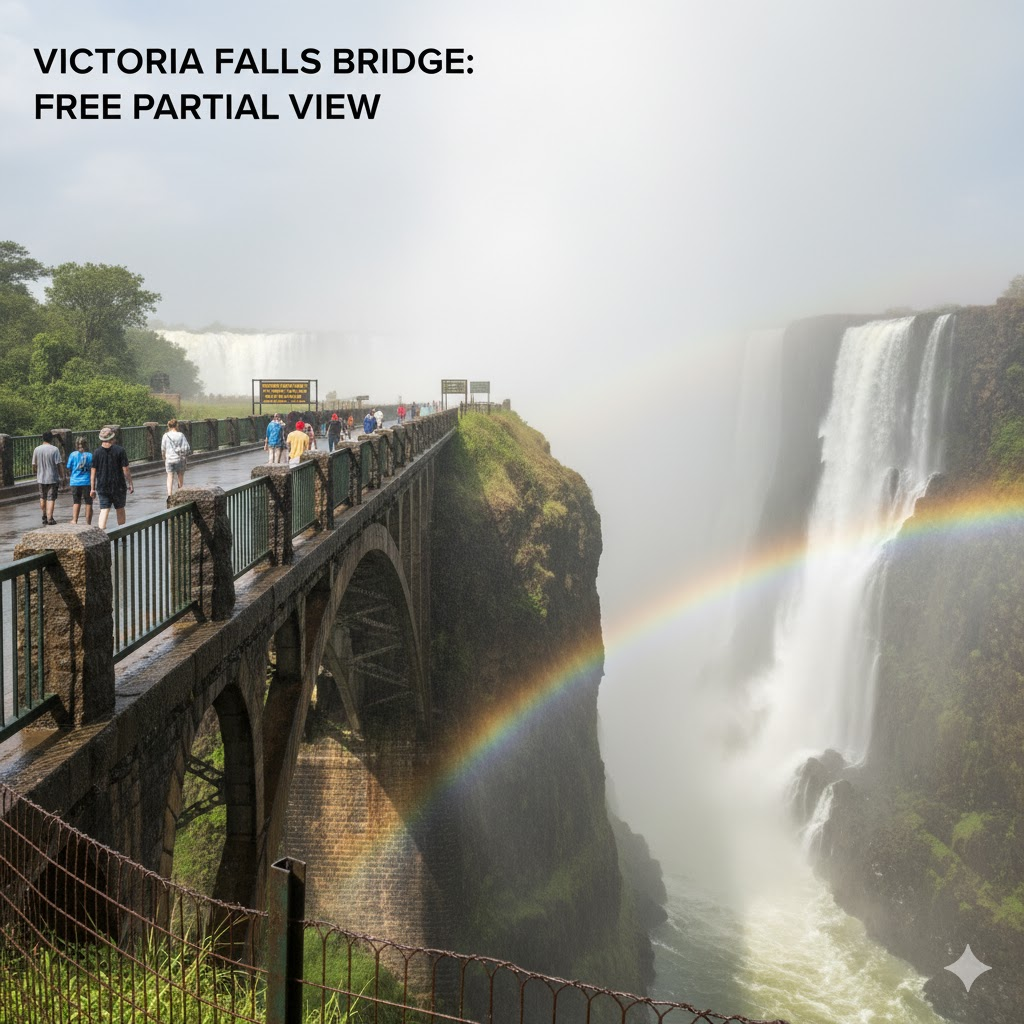
Not really. The best views are all from within the national parks, which require the entrance fees ($50 for Zim, $20 for Zam).
- Exceptions:
- You can get a partial, spray-filled view from the Victoria Falls Bridge (the border crossing), which is free to walk onto (just tell the border guard you're going to the bridge).
- On the Zambian side, guests at the Royal Livingstone Hotel and Avani Victoria Falls Resort have free, private access to the falls.
How much should I tip in Victoria Falls?
Tipping is discretionary but greatly appreciated, as wages are often low.
- Restaurants: 10% of the bill for good service.
- Hotel Porters: $1-2 USD per bag.
- Activity Guides (Rafting, Safari, etc.): $10-20 USD per person for a full-day guide; $5-10 for a shorter tour.
- Taxi Drivers: Round up to the nearest convenient amount.
- Hotel Staff: It's best to leave a general tip (e.g., $10 per day) in a communal tip box at the end of your stay.
What Should I Wear and Pack for Victoria Falls?
- A Waterproof Dry Bag: This is non-negotiable. During the high water season, the spray is a torrential downpour. It will destroy your phone or camera. A simple poncho won't be enough for your electronics.
- Quick-Dry Clothing: You will get wet. Jeans are a bad idea. Lightweight, neutral-colored clothing is perfect.
- Good Walking Shoes: For the rainforest paths and the (if you're brave) hike into the gorge for rafting.
- Pristine US Dollars: See the currency section. Do not forget this!
- Sun Protection: Sunscreen, a wide-brimmed hat, and sunglasses are essential.
- Insect Repellent: A must-have, especially for the evenings.
The Verdict: Zimbabwe, Zambia, or Both?
So, after all that, what's the verdict?
- Visit Zimbabwe if: You are short on time, want the iconic panoramic photos, and are visiting in the low water season.
- Visit Zambia if: You are an adrenaline junkie who must swim in Devil's Pool, you want to feel the raw power on the Knife-Edge Bridge, or you're visiting in the high water season and just want a taste.
But the real answer? You must visit both.
They are not two sides of the same coin; they are two different coins entirely. By using the KAZA UniVisa and dedicating at least two days, you can experience the grand scale from Zimbabwe and the thrilling power from Zambia. That is the only way to truly say you have "seen" Victoria Falls.
Written By:
Sofia Muller

Hotels at your convenience
Now choose your stay according to your preference. From finding a place for your dream destination or a mere weekend getaway to business accommodations or brief stay, we have got you covered. Explore hotels as per your mood.