Best Time to Visit Bali: A Real Story of Sunsets, Rain, and Finding My Own Rhythm
 Manish Choudhary
10 Mar, 2026
19 mins read
91
Manish Choudhary
10 Mar, 2026
19 mins read
91
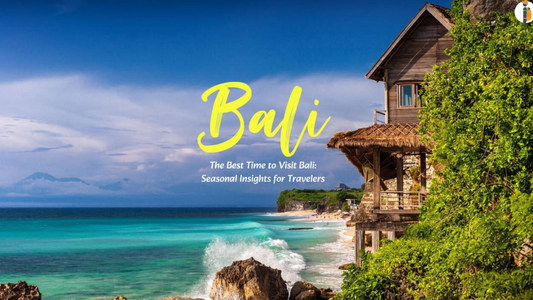
I stopped searching for the "perfect" season. I went in December and let Bali show me what it wanted. Here is what I learned.
Prologue: The Confusion Before Takeoff
Before my first Bali trip, I did what we all do. I opened Google and typed the same question everyone asks.
Page after page gave me different answers. Some said April to October is perfect. Others said November to March is quieter and cheaper. A few blogs warned about monsoon rains ruining everything. Travel forums argued about surfing conditions. Instagrammers posted photos of perfect blue skies and made me feel like I would miss something magical if I chose the "wrong" month.
I felt more confused than when I started.
So I did something stupid. Or smart. I still cannot decide.
I stopped searching. I booked my flights for early December and decided to let Bali show me what it wanted.
Turns out, that was the best decision I made.
Bali Has Only Two Faces – And Both Are Beautiful
Before I share my story, let me explain something simple about Bali's weather.
Bali sits close to the equator. That means warm temperatures all year – usually between 26°C and 30°C. No winter jackets needed. No cold months. Just two main seasons that shape everything on the island.
The dry season runs from April to October. You get less rain, more sun, and lower humidity. The ocean stays calm. The skies stay blue. And tourists arrive in waves.
The wet season runs from November to March. Short tropical showers appear almost daily, but they rarely last long. Humidity rises. The whole island turns impossibly green. And the crowds disappear.
Simple, right? But here’s what those facts don’t tell you—real experiences shape your trip far more than just the season.
The Dry Season Dream – And the Crowds That Come With It
I met a British couple in Canggu who came in July. They showed me photos on their phone – crystal clear skies, golden light on the beach, zero rain for two whole weeks.
They swam every morning before breakfast. They watched the sunset at Uluwatu Temple without a single cloud blocking the view. They took a day trip to Nusa Penida and saw the famous Kelingking Beach in full sunshine. Their photos looked like they belonged in a travel magazine.
But here is what they also told me over dinner.
"Mate, it is packed everywhere. We waited forty-five minutes for a table last night. And the traffic from Seminyak to Canggu took us one hour to go three kilometers."
That is the truth about peak season. July and August bring perfect weather, but they also bring everyone else who wants perfect weather. Beaches fill up. Restaurants are full. Hotels charge double what they do in slower months. And the famous spots you came to see often have a queue.
For many people, this trade-off works fine. The weather makes up for the crowds. But if you want peace or plan to travel on a budget, peak season might feel like too much.
The Shoulder Months Nobody Talks About
A German girl I met at a hostel in Ubud swore by May.
She said, "Everything felt perfect. Not too hot. Not too busy. Not expensive. I found a nice room for twenty dollars a night. I hiked Mount Batur and could actually see the sunrise without fifty people blocking my view."
She was talking about shoulder season – those sweet months between the big seasons. April, May, September, and October sit in this happy middle ground.
The weather stays mostly dry. The crowds have not exploded yet, or have already thinned out. Hotel prices feel reasonable. And the island still buzzes with energy, just not the chaotic kind.
If you can plan your trip during these months, you’ll likely enjoy the most comfortable weather, thinner crowds, and reasonable prices—a balance that sums up the key advantages of shoulder season.
What Rainy Season Actually Looks Like (Because It Surprised Me)
I landed in Denpasar on a December afternoon. Humidity hit me like a warm blanket the moment I stepped out of the airport. The sky looked grey and uncertain.
"Great," I thought. "I came all this way for rain."
But here is what really happened.
Yes, it rained. Almost every day, actually. But never all day.
Short tropical showers would appear around two in the afternoon, pour hard for thirty to sixty minutes, and vanish like they never existed. The sun came back within an hour. The air smelled fresh – that earthy petrichor smell you only get after rain. The rice fields turned a shade of green I did not know existed.
I learned to plan my days around the rain. Morning hikes. Beach time before lunch. Indoor activities like cooking classes or spa visits during the typical afternoon shower window. By four in the evening, skies usually cleared again for golden hour.
And the beaches? Empty.
One morning in Sanur, I walked along the beach path for an hour and saw maybe ten people. In peak season, that same path fills with hundreds. I sat at a beachfront cafe, drank coconut water, and watched local fishermen pull their boats ashore. No selfie sticks. No shouting. Just Bali breathing quietly.
The Green Season Magic That Photos Cannot Capture
One afternoon, I sat at a small warung in Ubud during a sudden downpour. Rain hammered the roof. Steam rose from the pavement. An old Balinese man behind the counter smiled at me and said something I still remember.
"Rain is a blessing. Makes everything alive."
He was right.
I watched the jungle drink through the open window. Every leaf glistened. The green color looked almost unreal – like someone turned up the saturation on the whole island. Tegalalang Rice Terraces looked ten times more beautiful than any dry-season photo I had seen. Because water makes things grow. Water makes things glow.
Waterfalls that slow to a trickle in the dry season roar back to life. Rivers flow fuller. The whole island breathes deeper.
That is the magic of the wet season that no travel blog can show you. You have to feel it yourself.
The Hotel Deals That Made Me Smile
My hotel cost half of what my friend paid in August. Same hotel. Same room. Different month.
In Ubud, I stayed in a beautiful guesthouse with a private pool for thirty-five dollars a night. The owner told me one evening, "In July, same room, eighty-five dollars. You chose a smart time."
This happened everywhere. Restaurants ran special offers. Spa treatments came with discounts. I got a ninety-minute massage for twelve dollars that would cost thirty-five in peak season.
For budget travelers, the wet season is a gift. Your money goes further. You stay in better places. You eat at nicer restaurants. And you still get plenty of sunshine between those short afternoon showers.
Different Travelers Need Different Seasons
I met people who came to Bali for specific reasons. Their experiences taught me that the "best time" really depends on what you want to do.
Surfers follow a simple rule. West coast breaks like Canggu and Uluwatu work best from April to October when the swell hits that side. East coast spots like Keramas and Sanur come alive from November to March when the wind shifts. Beginners can surf any month – just avoid storm days when the ocean gets angry.
Divers look for different things. Visibility stays clearest from April to November. If you want to see the rare mola mola sunfish, plan for July to October around Nusa Penida. That is when these strange creatures appear.
Hikers face a simple choice. Mount Batur sunrise treks run year-round. The dry season gives you clearer views of the volcano and the surrounding mountains. Wet season means muddier trails but fewer people at the summit. I met someone who did the trek in January and had the sunrise almost to herself.
Temple visits work any month. But if you accidentally arrive during a ceremony, you get something special. I walked into a small temple in December and found locals dressed in traditional clothes, making offerings, smiling at the confused tourist who wandered in. They gave me a sarong and let me watch. That moment beat any perfectly timed sunset photo.
Festivals That Change Everything
I did not plan my trip around festivals, but I met travelers who did. Their stories made me want to come back.
Nyepi falls in March, though the exact date changes each year. This is Bali's Day of Silence. The whole island shuts down completely. No lights. No noise. No internet. No airport operations. Everyone stays indoors for twenty-four hours.
A Canadian traveler told me about her Nyepi experience. She spent the day reading on her guesthouse terrace, meditating, and staring at stars so bright they looked fake. "You cannot experience this anywhere else in the world," she said. "Worth planning your whole trip around."
Galungan and Kuningan happen twice yearly. These Balinese Hindu festivals celebrate good over evil. Streets fill with beautiful bamboo decorations called penjor. The whole island feels festive and colorful.
The Bali Arts Festival runs from June to July. A month-long celebration of dance, music, and crafts, mostly in Denpasar. Great for culture lovers who want to see beyond beaches and temples.
The Ubud Writers Festival happens in October. International writers gather for talks and workshops. If you love books and conversations, this might be your reason to come.
What Really Matters More Than Season
After all my time in Bali, after all the conversations with travelers from everywhere, I realized something important.
The "best time to visit Bali" question matters less than how you choose to travel.
I met people who came in peak season and hated it. Too busy. Too rushed. Too expensive. They spent more time stuck in traffic than soaking up the island.
I met people who came in the rainy season and loved it. They slowed down. Stayed longer. Went deeper. They found magic in empty beaches and afternoon thunderstorms.
A solo traveler from the UK told me something that stuck with me. She came in November, got sick for six days, but still climbed Mount Batur at sunrise with strangers who held her hand and helped her reach the top.
She said, "The season did not matter. The people did."
Looking back, these things made my trip great:
- Waking up early when the island felt fresh and quiet
- Getting lost on purpose and finding spots not in any guidebook
- Staying in one place long enough to breathe instead of rushing
- Talking to locals who shared their real Bali with me
A taxi driver told me about his village. A shopkeeper invited me for coffee at her home. A stranger on a scooter waved me to follow him to a waterfall I would never have found alone.
Those memories outlast any sunset photo.
My Honest Advice After All of It
If you ask me now, here is what I would tell a friend planning their first Bali trip.
If you want perfect beach weather and do not mind sharing the island with everyone else, come June to August. You will get those postcard views. You will also get crowds, higher prices, and traffic that tests your patience.
If you want green landscapes, quiet moments, and better deals, come December to February. Pack a light rain jacket. Wake up early. Watch afternoon storms roll in from a cozy cafe. Let the rain show you a different Bali.
If you want the easiest balance, aim for April, May, September, or October. Shoulder months give you mostly good weather without peak chaos. A safe bet for first-timers.
If you surf, research which coast works in which season. East and west offer different waves at different times.
If you want cultural experiences, check festival dates. Nyepi in March offers something truly unique.
If you travel on a budget, come November before the Christmas rush, or January through February after the New Year, crowds leave.
But honestly? Just pick a time and come.
Bali does not need your perfect planning. It just needs you to show up – with an open heart, comfortable shoes, and maybe a light rain jacket if you come my way.
Epilogue: The Sunset I Almost Missed
My last evening in Bali, the sky stayed grey all day. I almost stayed in my guesthouse, scrolling through photos, thinking the sunset would not happen.
But something pulled me to the beach at five thirty. A small voice said, "Just go." So I went.
I sat on Sanur beach watching grey clouds for almost an hour. Nothing happened. The sky stayed the same dull colour. I almost left three times.
Right as the clock hit six, clouds parted for exactly seven minutes.
Orange and purple exploded across the sky. The ocean turned liquid gold. Every person on the beach stopped what they were doing and just watched. No phones. No talking. Just watching.
Then the clouds closed again. The rain started five minutes later.
That sunset belonged only to those who showed up. Who did not let a little uncertainty stop them. Who waited through grey skies because they trusted something might happen.
I think that is Bali. And I think that is the best time to visit – whenever you decide to go.
Because Bali does not give its magic to people who wait for perfect conditions. It gives its magic to people who come as they are, in whatever season, and pay attention.
Have you been to Bali? What month did you choose? Share your story in the comments. I would love to hear how the island felt to you – rain or shine.
Planning your first trip? Ask me anything. I will tell you the real stuff, not just the pretty parts.
A Few Quick Tips Before You Go
Carry light clothes and sunscreen, no matter which season you choose.
Pack a light rain jacket if coming between November and March. You will thank me later.
Book peak season travel at least two to three months ahead. July and August fill up fast.
Wet season bookings can happen last minute. Use this to find deals.
Traffic in south Bali takes time – Canggu, Seminyak, Kuta. Accept this fact and relax. Getting angry changes nothing.
Learn to say thank you in Balinese. It is "suksma" – pronounced sook-sma. Locals appreciate the effort.
And remember this one thing – the best time to visit Bali is simply the time you actually go.
Written By:
Manish Choudhary

Hotels at your convenience
Now choose your stay according to your preference. From finding a place for your dream destination or a mere weekend getaway to business accommodations or brief stay, we have got you covered. Explore hotels as per your mood.