Everest Base Camp Trek in Autumn Why September–November is the Best Season
 Deepanshu Negi
28 Aug, 2025
11 mins read
63
Deepanshu Negi
28 Aug, 2025
11 mins read
63
The Everest Base Camp trek is one of the most iconic adventures in the world. Every year, thousands of trekkers dream of standing at the foot of the highest mountain on Earth, soaking in views of the mighty Himalayas. While the trek can be done in different seasons, autumn from September to November is considered the best time. The clear skies, stable weather, and breathtaking mountain views make this period the most rewarding for trekkers.
Why Autumn is Perfect for Everest Base Camp
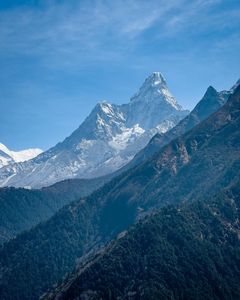
Autumn in the Everest region is marked by crisp air, moderate temperatures, and stunning visibility. The monsoon rains of July and August leave the landscapes fresh and green, while the skies clear up by late September, opening up panoramic views of Everest, Lhotse, Nuptse, and Ama Dablam.
Unlike winter, which can be harsh with freezing cold, or summer, which brings heavy rain and slippery trails, autumn strikes the right balance. This season offers the safest and most comfortable conditions for trekkers of all experience levels.
Ideal Weather and Clear Skies
One of the main reasons trekkers prefer autumn is the stable weather. Days are generally sunny, with temperatures ranging from 10°C to 15°C at lower elevations, and colder but bearable conditions at higher altitudes. Nights can get chilly, especially near Gorakshep and Base Camp, but proper gear makes it manageable.
The skies in autumn are famously clear. This is the time when trekkers can capture postcard-perfect photos of Mount Everest and surrounding peaks without clouds obstructing the view. Sunrises and sunsets in the Khumbu Valley are particularly magical during these months.
Stunning Himalayan Landscapes
After the monsoon rains, the trails leading to Everest Base Camp trek come alive with greenery and fresh air. Rhododendron forests, alpine meadows, and rushing rivers appear more vibrant than ever. By October and November, the higher regions are dusted with snow, adding to the dramatic beauty of the Himalayan backdrop.
The contrast of blue skies, snow-covered peaks, and traditional Sherpa villages creates an unforgettable trekking experience. Many photographers and nature lovers prefer autumn because of the sharp visibility and perfect light conditions.
Cultural Vibrance and Local Festivals
Autumn is also a festive season in Nepal. Major Hindu and Buddhist festivals like Dashain, Tihar, and Mani Rimdu fall during this period. Trekkers often get the chance to witness local celebrations, traditional dances, and rituals along the way.
Passing through Sherpa villages such as Namche Bazaar, Tengboche, and Dingboche becomes even more special when the communities are alive with cultural energy. This adds a deeper dimension to the trek, blending natural beauty with rich traditions.
Fewer Weather Risks and Safer Trails
In other seasons, trekkers often face challenges such as heavy rainfall, landslides, or snowstorms. Autumn minimizes these risks. The trails remain dry and safe for walking, river crossings are easier, and flights to Lukla – the starting point of the trek – are less likely to be canceled due to poor weather.
For first-time trekkers, this stability is a big advantage. It ensures that the focus stays on enjoying the journey rather than worrying about unpredictable conditions.
Best Time for Panoramic Mountain Views
The highlight of the Everest Base Camp trek is the view from Kala Patthar, a vantage point offering close-up sights of Mount Everest. During autumn, the clear air allows trekkers to enjoy spectacular sunrises over the world’s tallest peak.
From Tengboche Monastery, one of the most iconic spots on the route, autumn mornings provide sweeping views of Ama Dablam, Everest, and surrounding giants. This is also the season when trekkers often report the best visibility throughout the entire trek.
High Trekking Season and Vibrant Atmosphere
September to November is also the busiest trekking season in Nepal. The Everest trails are full of adventurers from around the world, creating a vibrant and energetic atmosphere. Teahouses and lodges are lively, and there is a sense of shared excitement among trekkers.
While this means accommodations can get crowded, it also ensures that services are fully operational. Tea houses serve hearty meals, shops along the trail stay stocked, and guides and porters are more easily available.
Everest Base Camp Trek Difficulty in Autumn
The trek to Everest Base Camp covers about 130 km round trip and reaches a maximum altitude of 5,545 meters at Kala Patthar. While the distance is manageable, altitude acclimatization is crucial. Autumn provides the most favorable conditions for trekkers to adjust gradually.
The moderate temperatures make walking easier compared to the intense cold of winter or the slippery trails of monsoon. Still, trekkers should maintain a steady pace, stay hydrated, and follow acclimatization schedules to avoid altitude sickness.
Packing Tips for an Autumn Trek
Packing properly is essential for a successful trek in autumn. Some must-have items include:
- Warm layers for cold nights (thermal base layers, fleece, and down jacket)
- Lightweight trekking clothes for sunny daytime hikes
- Sturdy trekking boots with good grip
- Sleeping bag rated for sub-zero temperatures
- Rain jacket (occasional autumn showers still occur)
- Trekking poles for steep sections
- Sunglasses, sunscreen, and lip balm for high-altitude sun exposure
Travel insurance covering high-altitude trekking is also recommended.
Everest Base Camp Trek Costs in Autumn
On average, the Everest Base Camp trek costs between $1,200 to $1,800 per person depending on the itinerary, services, and group size. Costs include permits, domestic flights, accommodation in teahouses, meals, guides, and porters. Autumn being peak season means prices may be slightly higher, so booking in advance is wise.
Conclusion
The Everest Base Camp trek in autumn, between September and November, offers the best combination of clear skies, safe trails, pleasant weather, and cultural experiences. From breathtaking views of Mount Everest to vibrant Sherpa traditions, every moment feels rewarding.
Whether you are a first-time trekker or a seasoned adventurer, autumn is the season when the Himalayas are at their most welcoming. Standing at the foot of the world’s highest mountain is an achievement of a lifetime, and autumn ensures that the journey is as unforgettable as the destination.
Frequently Asked Questions
Q1. How cold is Everest Base Camp in autumn?
Temperatures range from 10°C to 15°C in lower areas during the day, and can drop to -5°C to -10°C at higher elevations at night.
Q2. Do I need permits for the trek?
Yes, trekkers require a Sagarmatha National Park Permit and a Khumbu Pasang Lhamu Rural Municipality Permit.
Q3. Is it safe to trek to Everest Base Camp in autumn?
Yes, autumn offers the safest conditions, with stable weather, dry trails, and minimal risks compared to other seasons.
Q4. How crowded is the trek during autumn?
It is the busiest season, so expect more trekkers on the trails and full tea houses. Booking accommodation and flights in advance is recommended.
Q5. Can beginners do the trek in autumn?
Yes, beginners can complete the trek with proper fitness preparation and acclimatization. Autumn is the most favorable season for first-time trekkers.
Written By:
Deepanshu Negi

Hotels at your convenience
Now choose your stay according to your preference. From finding a place for your dream destination or a mere weekend getaway to business accommodations or brief stay, we have got you covered. Explore hotels as per your mood.