How to Avoid Altitude Sickness on Everest Base Camp Trek
 Deepanshu Negi
30 Aug, 2025
10 mins read
112
Deepanshu Negi
30 Aug, 2025
10 mins read
112
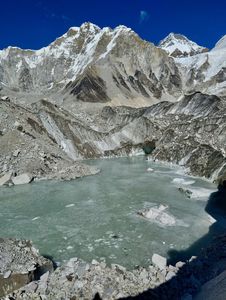
The Everest Base Camp Trek is one of the most iconic trekking experiences in the world. Every year, thousands of adventurers walk this trail to stand at the base of Mount Everest, the tallest peak on Earth. The trek offers breathtaking views, rich Sherpa culture, and a true test of endurance. However, one of the biggest challenges trekkers face is altitude sickness.
Understanding how to prevent and handle altitude-related issues is crucial for a safe and enjoyable journey. In this article, we’ll cover everything you need to know about altitude sickness on the Everest Base Camp Trek and the best ways to avoid it.
What is Altitude Sickness?
Altitude sickness, medically known as Acute Mountain Sickness (AMS), occurs when your body struggles to adjust to reduced oxygen levels at high altitudes. The higher you go, the thinner the air becomes, which means your body receives less oxygen with every breath.
On the Everest Base Camp Trek, trekkers climb to heights above 5,000 meters, where oxygen levels drop to nearly half compared to sea level. If your body doesn’t get enough time to adapt, AMS symptoms can appear.
Common Symptoms of AMS:
- Headache and dizziness
- Loss of appetite and nausea
- Fatigue and weakness
- Shortness of breath
- Difficulty sleeping
- Swelling in hands, feet, or face
If untreated, AMS can progress into serious conditions like High Altitude Pulmonary Edema (HAPE) or High Altitude Cerebral Edema (HACE), both of which can be life-threatening.
Why Altitude Sickness Happens on Everest Base Camp Trek
The trek from Lukla (2,860 m) to Everest Base Camp (5,364 m) involves a steady gain in altitude. Even though the distance is manageable, the quick elevation gain poses a risk. The key reason trekkers get sick is not allowing enough acclimatization time or ignoring early symptoms.
The Everest region offers tea houses, acclimatization stops, and side hikes, but rushing the itinerary or neglecting rest can make altitude sickness worse.
How to Avoid Altitude Sickness on Everest Base Camp Trek
1. Trek at a Slow and Steady Pace
Climbing too fast is the biggest mistake trekkers make. A slower pace helps your body adjust naturally. Most itineraries include 12–14 days, with gradual ascents and rest days. Respect this pace and don’t try to shorten the trek.
2. Schedule Acclimatization Days
Acclimatization is not rest, it’s adaptation. On these days, you hike to a higher altitude but return to sleep lower. For example:
- Namche Bazaar (3,440 m): Hike up to Everest View Hotel or Khumjung Village.
- Dingboche (4,410 m): Hike up to Nangkartshang Peak.
These short climbs train your body to handle higher altitudes and prepare you for the next ascent.
3. Stay Properly Hydrated
Dehydration increases the chances of AMS. Aim to drink at least 3–4 liters of water every day. Carry a reusable water bottle or hydration bladder and refill it at tea houses. Herbal teas, soups, and hot water are good for hydration. Avoid too much coffee, and completely avoid alcohol.
4. Eat a Balanced Diet
Food becomes fuel at high altitudes. Carbohydrate-rich meals such as rice, potatoes, noodles, and bread provide quick energy. Avoid heavy, greasy foods that are difficult to digest. Eating enough calories ensures your body has the energy to acclimatize properly.
5. Avoid Alcohol and Smoking
Alcohol, smoking, and even sleeping pills slow down breathing and make acclimatization harder. Many trekkers fall into the trap of having alcohol at tea houses, but it’s best avoided until after completing the trek.
6. Consider Preventive Medication
Some trekkers take Diamox (Acetazolamide) to prevent AMS. It helps your body adapt faster but should only be used under medical advice. Carry other basic medicines like paracetamol, ibuprofen, and anti-nausea tablets.
7. Follow the “Climb High, Sleep Low†Rule
If possible, hike to a higher point during the day and return to sleep at a lower altitude. This practice reduces the chances of sickness and is part of acclimatization days in Namche and Dingboche.
8. Listen to Your Body
Never ignore symptoms. If headaches, dizziness, or nausea worsen, stop ascending immediately. Mild AMS can be managed by rest, but severe cases require descending to a lower altitude right away. Continuing upward despite symptoms can be dangerous.
Sample Itinerary for Safe Acclimatization
Here’s a safe and gradual itinerary followed by most trekkers:
- Day 1: Fly to Lukla (2,860 m), trek to Phakding (2,610 m)
- Day 2–3: Trek to Namche Bazaar (3,440 m) + acclimatization hike
- Day 4: Trek to Tengboche (3,870 m)
- Day 5–6: Trek to Dingboche (4,410 m) + acclimatization hike
- Day 7: Trek to Lobuche (4,940 m)
- Day 8: Trek to Gorak Shep (5,164 m) + visit Everest Base Camp (5,364 m)
- Day 9: Early morning hike to Kala Patthar (5,545 m) for sunrise views
This pace gives your body plenty of time to adjust and lowers the risk of AMS.
Emergency Tips if Symptoms Worsen
Even with precautions, altitude sickness can affect anyone. If symptoms get severe:
- Descend immediately by at least 500–1,000 meters.
- Seek medical help at local health posts in villages like Pheriche or Namche.
- Use bottled oxygen or a portable hyperbaric chamber if available.
- Never continue climbing with severe symptoms — descending is the only cure.
Fitness Preparation Before Trekking
Physical fitness plays an indirect but important role in dealing with altitude. A fit body adapts better to stress. Before starting your trek:
- Do cardio exercises like running, cycling, or swimming.
- Practice long hikes with a backpack to simulate trekking conditions.
- Build leg strength with squats, lunges, and stair climbing.
Being fit does not guarantee immunity from AMS, but it helps you handle the trek more comfortably.
Final Thoughts
The Everest Base Camp Trek is a dream journey that offers adventure, culture, and unforgettable Himalayan views. While altitude sickness is a real concern, it can be managed and avoided with the right precautions. Trekking slowly, adding acclimatization days, eating and drinking wisely, and paying attention to your body are the keys to success.
Remember, reaching Everest Base Camp is not a race it’s an experience. The more carefully you approach the trek, the more rewarding it will be. By respecting the altitude and preparing well, you can complete the journey safely and enjoy one of the greatest trekking adventures in the world.
Written By:
Deepanshu Negi

Hotels at your convenience
Now choose your stay according to your preference. From finding a place for your dream destination or a mere weekend getaway to business accommodations or brief stay, we have got you covered. Explore hotels as per your mood.