Why the Everest Base Camp Trek is a Cultural Journey as Much as an Adventure
 Ashish Rawat
02 Sep, 2025
7 mins read
55
Ashish Rawat
02 Sep, 2025
7 mins read
55
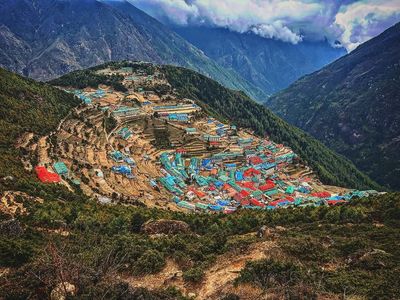
The Everest Base Camp (EBC) Trek is one of the most famous trekking routes in the world. Many people dream of walking this trail to stand at the base of Mount Everest, the tallest peak on Earth. While the adventure and mountain views are often highlighted, the cultural side of the trek is just as rewarding.
The journey to Everest Base Camp is not only about snow peaks and glaciers—it is also a chance to explore Sherpa culture, Buddhist traditions, ancient monasteries, and village life in the Himalayas. This makes the trek a deep cultural journey as much as an adventure.
1. Meeting the Sherpa Community
The Sherpas are world-famous for their mountaineering skills, but they are also known for their warm hospitality and unique traditions. While trekking through villages like Namche Bazaar, Tengboche, and Dingboche, trekkers often stay in local tea houses run by Sherpa families.
This gives visitors a chance to:
- Taste traditional food like thukpa and yak butter tea.
- Learn about farming and lifestyle in high-altitude villages.
- Hear inspiring stories about Everest expeditions from the locals.
The strong cultural presence of the Sherpa community adds depth to the trekking experience.
2. Exploring Ancient Monasteries
Along the trail, trekkers come across several Buddhist monasteries that are an important part of local life. The most famous one is the Tengboche Monastery, where monks perform daily prayers and rituals with the Himalayas in the backdrop.
These monasteries:
- Offer insight into Tibetan Buddhism.
- Create a peaceful and spiritual atmosphere on the trail.
- Remind trekkers that the Himalayas are not only natural wonders but also sacred spaces.
3. Festivals and Traditions
Depending on the time of year, trekkers may also witness local festivals like Mani Rimdu, where monks perform masked dances and prayers. These celebrations show how the Sherpa people keep their ancient traditions alive even in the modern world.
Such moments make the trek feel more like a cultural exchange than just an adventure walk.
4. The Role of Tea Houses
Unlike camping treks, the Everest Base Camp route is lined with tea houses—small lodges that are at the heart of trekking culture in Nepal.
These tea houses:
- Provide home-cooked meals and cozy stays.
- Allow trekkers to interact with locals on a daily basis.
- Give an authentic feel of Himalayan hospitality.
For beginners, tea houses also make the trek more comfortable and welcoming.
5. A Blend of Nature and Culture
While the highlights of the trek include Everest, Lhotse, Ama Dablam, and Nuptse, the real beauty lies in how nature and culture blend together. The colorful prayer flags fluttering in the wind, the mani stones carved with Buddhist chants, and the sound of bells near monasteries—all of these make the trail more meaningful.
This unique mix of cultural richness and natural beauty is what makes the Everest Base Camp Trek different from any other trek in the world.
Final Thoughts
The Everest Base Camp Trek is more than just a thrilling adventure to the foot of Mount Everest. It is also a journey into the heart of Sherpa culture and Himalayan traditions. From monasteries and festivals to warm hospitality in tea houses, the trek lets you connect with local life in ways that are unforgettable.
For anyone planning to walk this legendary trail, remember that the true value lies not only in reaching base camp but also in experiencing the culture that makes the Himalayas so special.
FAQs
1. Is the Everest Base Camp Trek only about adventure?
No. While it’s known for its mountain views, the trek also highlights Sherpa culture, monasteries, and Himalayan traditions.
2. Do trekkers stay with locals during the EBC Trek?
Yes. Most trekkers stay in tea houses run by Sherpa families, offering a glimpse into local life and hospitality.
3. What cultural sites can you see on the trek?
The trek includes visits to Tengboche Monastery, prayer flags, mani stones, and traditional Sherpa villages like Namche Bazaar.
4. Are there cultural festivals during the Everest Base Camp Trek?
Yes. Depending on the season, trekkers may witness festivals like Mani Rimdu, which showcases Buddhist rituals and dances.
5. Why is the Everest Base Camp Trek unique compared to other treks?
It combines the thrill of trekking to the world’s tallest mountain with rich cultural experiences, making it both adventurous and meaningful.
Written By:
Ashish Rawat

Hotels at your convenience
Now choose your stay according to your preference. From finding a place for your dream destination or a mere weekend getaway to business accommodations or brief stay, we have got you covered. Explore hotels as per your mood.